Padar Island: The Hike, the Viewpoint & Best Time

Padar Island: The Hike, the Viewpoint & Best Time

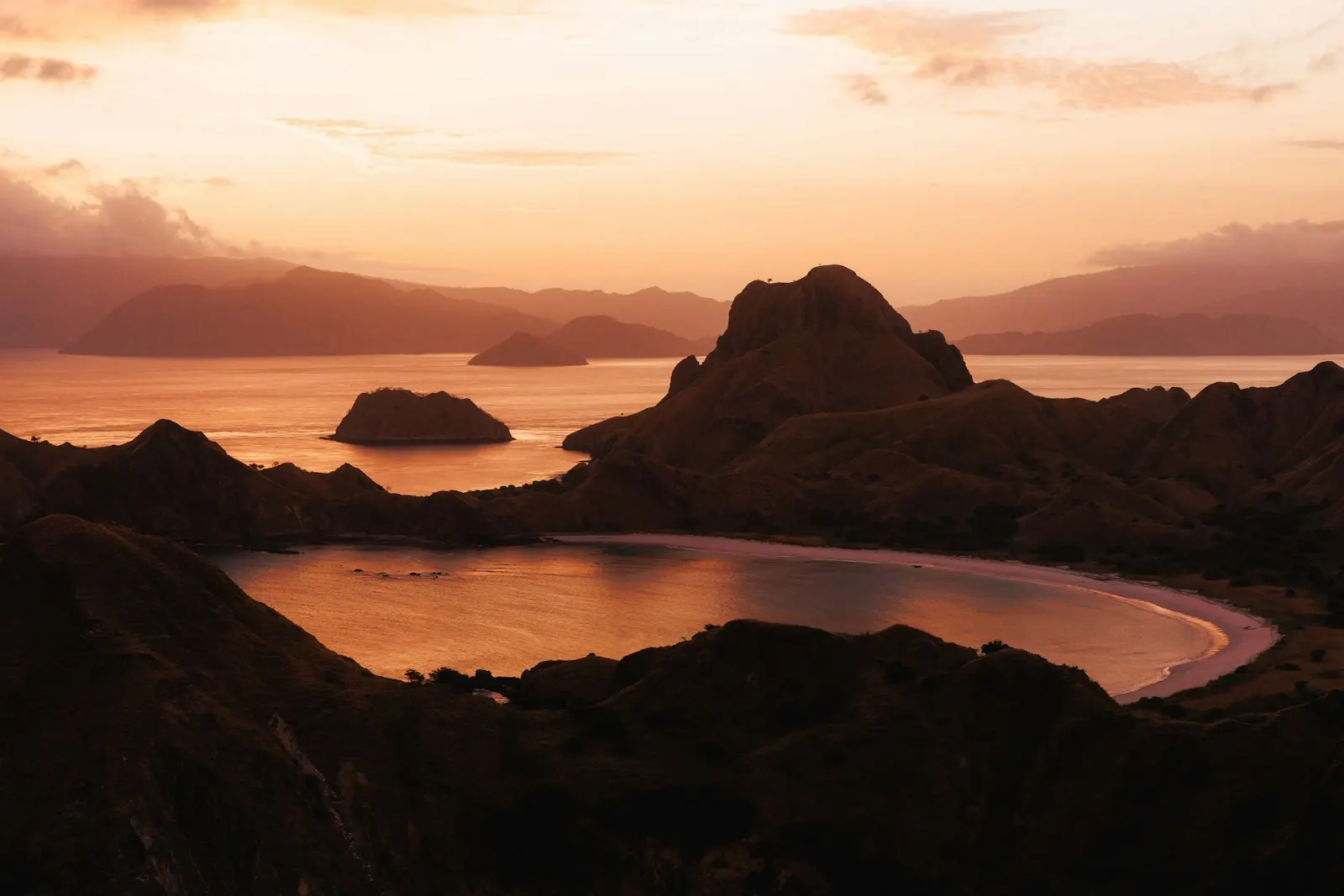
Padar Island, an iconic feature of Komodo National Park, is renowned for its panoramic viewpoint offering a unique perspective of three distinct crescent-shaped bays, each with different colored sands. This guide will detail the essential aspects of visiting Padar Island, from navigating its famous hike to understanding its place within a Komodo archipelago itinerary.

Padar Island: The Hike to the Three-Bay Viewpoint

The primary draw of Padar Island is undeniably its viewpoint, accessible via a well-maintained, though challenging, trail. The hike ascends a volcanic peak, rewarding climbers with an expansive vista that has become synonymous with Komodo National Park itself.

Understanding the Hike’s Difficulty and Terrain

The hike to the Padar Island viewpoint involves approximately 800 steps, constructed from a mix of wood, stone, and compacted earth. While not overly long—most visitors reach the summit in 30 to 45 minutes, depending on pace and fitness—the incline is significant. The steps can be uneven, and some sections are steep. During the dry season (typically April to October), the ground can be dusty and slippery in parts, while the wet season (November to March) can make steps slick.

Proper footwear is crucial. Avoid flip-flops; sturdy sandals or hiking shoes with good grip are recommended. Bring ample water, as there are no facilities on the island. The sun can be intense, so a hat, sunglasses, and sunscreen are essential for protection.

Sunrise vs. Sunset Hike Padar Island: Choosing Your Moment

The timing of your Padar Island hike significantly influences the experience, particularly for photography and comfort. Most visitors opt for either a sunrise or a daytime ascent, with sunset hikes being less common due to logistical challenges and safety considerations for descending in twilight.

Sunrise Hike: Golden Light and Cooler Air

For many, a sunrise hike is the preferred option. Boats typically arrive before dawn, allowing visitors to begin their ascent in the dark or pre-dawn twilight. The benefits include:
* **Cooler Temperatures:** The morning air is significantly cooler than midday, making the strenuous climb more comfortable.
* **Golden Hour Photography:** As the sun rises, it bathes the landscape in soft, warm light, ideal for photography. The long shadows define the island’s contours, and the bay colors are vibrant.
* **Fewer Crowds (initially):** While sunrise is popular, the staggered arrival of boats can sometimes mean slightly fewer people at the very peak compared to midday.

The main challenge for a sunrise hike is the ascent in low light, requiring a headlamp or flashlight. The path is generally clear, but visibility is reduced.

Daytime Hike: Clear Views, More Heat

A daytime hike offers unobstructed views under a bright sky.
* **Visibility:** Clear skies typically provide the best visibility, allowing the distinct colors of the three bays to stand out vividly.
* **Logistics:** Daytime visits are easier to integrate into a multi-stop itinerary, as they don’t require early departures or late returns.

The primary drawback is the heat. Midday sun can be scorching, making the climb more arduous and increasing the risk of dehydration or heat exhaustion. Photography can also be challenging due to harsh light and strong shadows.

Sunrise Hike Pros
Cooler temperatures, soft golden light for photography, dramatic pre-dawn atmosphere.
Sunrise Hike Cons
Requires ascending in the dark, very early wake-up call, potentially crowded at the peak for the actual sunrise.
Daytime Hike Pros
Excellent overall visibility, easier logistics, less concern about descending in low light.
Daytime Hike Cons
Intense heat and direct sun exposure, harsh light for photography, potentially more crowded.

Padar Island Hike Best Time 2026: Seasonality and Conditions

The best time to visit Padar Island, and Komodo National Park in general, is during the dry season, which runs from April to October.
* **Dry Season (April – October):** This period offers consistently clear skies, minimal rainfall, and calmer seas, making for comfortable boat travel and ideal hiking conditions. The landscape can appear drier and more savannah-like, with golden grasses contrasting against the blue water.
* **Shoulder Season (April-May, September-October):** These months can be particularly pleasant, with slightly fewer crowds than peak July-August and still excellent weather.
* **Wet Season (November – March):** While Padar Island is accessible during the wet season, conditions can be more challenging. Rainfall can make the hiking trail muddy and slippery, and rougher seas might occasionally lead to trip cancellations or delays. However, the landscape transforms into a vibrant green during this time, offering a different aesthetic.

For planning in 2026, the dry season remains the optimal period for comfortable hiking and clear views.

Photography at the Padar Island Viewpoint

The viewpoint is a photographer’s dream. To capture its essence:
* **Wide-angle lens:** Essential for fitting the expansive three-bay vista into a single frame.
* **Rule of thirds:** Compose your shots to include the distinct bays, the undulating hills, and the distant horizon.
* **Vary your perspective:** Don’t just shoot from the very top. Experiment with different elevations during your ascent for unique compositions.
* **Drone photography:** Permitted within Komodo National Park but requires special permits and adherence to strict regulations. Always check current rules with your tour operator or guide.

How to Get to Padar Island from Labuan Bajo

Padar Island is a key destination within Komodo National Park and is almost always visited as part of a multi-stop boat trip originating from Labuan Bajo, Flores. There are no direct public ferry services to Padar Island; access is exclusively via private or shared tour boats.

Types of Trips and Vessels

Komodo National Park offers various trip options, each providing a different experience for reaching Padar Island.

Day Trips: Labuan Bajo Padar Komodo Pink Beach Day Trip

Speedboat day trips are popular for those with limited time. These trips typically depart early from Labuan Bajo and visit Padar Island, Komodo Island (or Rinca), Pink Beach, and Manta Point in a single day.
* **Pros:** Efficient, covers major highlights quickly, suitable for tight schedules.
* **Cons:** Fast-paced, limited time at each stop, less immersive experience.
* **Travel Time:** Speedboats can reach Padar Island in approximately 1.5 to 2 hours from Labuan Bajo.

Liveaboard Cruises: Komodo National Park 3D2N Liveaboard Padar Manta Point

For a more relaxed and comprehensive experience, liveaboard cruises are highly recommended. These trips typically range from 2 days/1 night to 4 days/3 nights.
* **Pros:** More time at each destination, opportunity for multiple snorkeling/diving sessions, experience sunsets and sunrises in the park, all-inclusive (meals, accommodation).
* **Cons:** Requires more time, generally higher cost.
* **Vessels:** Liveaboards range from traditional Phinisi boats (sailing yachts, often made of wood, offering various comfort levels from budget to premium luxury) to modern yachts.

Most liveaboard itineraries will include Padar Island, often scheduling the hike for either sunrise or late afternoon to avoid the midday heat. A common 3D2N itinerary includes Padar Island, Komodo Island, Pink Beach, Manta Point, and other snorkeling spots.

Choosing Your Operator

When selecting an operator, prioritize safety, licensed guides, and clear communication regarding the itinerary and what’s included. Komodo Ticket partners with reputable operators who adhere to safety standards and park regulations.

Padar Island Entrance Fee and Quota Booking

Visiting Padar Island, like all areas within Komodo National Park, requires adherence to park regulations, including entrance fees and potential quota systems designed for conservation.

Komodo National Park Fees (Last Verified June 2026)

The fees for entering Komodo National Park are multi-layered and can vary. They generally include:
* **Komodo National Park Entrance Fee:** This is a daily fee, typically ranging from IDR 150,000 – IDR 250,000 for Indonesian citizens and IDR 250,000 – IDR 500,000 for international visitors on weekdays, with higher rates on weekends/public holidays.
* **Padar Island Trekking Fee:** A separate fee specifically for the hike on Padar Island, often ranging from IDR 10,000 – IDR 20,000 per person.
* **Conservation Fee/Government Levy:** Additional levies that contribute to park management and local communities.
* **Guide Fee:** A mandatory fee for a local park ranger/guide, typically per group, not per person, ranging from IDR 80,000 – IDR 120,000. For Padar Island, a guide is usually not mandatory for the hike itself, but a KNP ranger is often present at the base.
* **Snorkeling Fee:** If you plan to snorkel in the park, there might be a separate fee, around IDR 15,000 – IDR 25,000.

Most tour operators bundle these fees into their package prices. Always confirm with your operator exactly what fees are included in your trip cost.

Understanding the Quota System

Komodo National Park has implemented a quota system to manage visitor numbers and minimize environmental impact. While the most stringent quotas often apply to Komodo Island itself (to protect the dragons and their habitat), general visitation to the park, including Padar Island, is monitored.
* **Booking in Advance:** It is advisable to book your Komodo National Park tour well in advance, especially during peak season, as operators secure permits for their groups. While there isn’t a strict “booking slot” for individual entry to Padar Island in the same way there might be for a dragon viewing, overall park capacity is managed.
* **Conservation:** The fees and quotas are vital for funding conservation efforts, supporting park rangers, and maintaining the infrastructure (like the steps on Padar Island).

Padar Island’s Place in Your Komodo Itinerary

Padar Island is almost always part of a broader Komodo National Park exploration. Its strategic location makes it a natural fit for itineraries that combine scenic beauty with wildlife encounters and marine activities.

Typical Itinerary Flow

Whether on a day trip or a multi-day liveaboard, a common sequence often includes:

1. **Padar Island:** Often the first or second stop, particularly for sunrise hikes due to its relative distance from Labuan Bajo.
2. **Komodo Island or Rinca Island:** After Padar, boats typically head to one of these islands for the iconic Komodo dragon trekking experience. Rinca is closer to Labuan Bajo and often chosen for shorter trips, while Komodo Island offers a more traditional dragon encounter for longer cruises.
3. **Pink Beach (Pantai Merah):** A short boat ride from Komodo Island, Pink Beach is a popular stop for snorkeling and relaxing on its unique rose-hued sand.
4. **Manta Point:** A designated area where manta rays are frequently sighted, offering incredible snorkeling or diving opportunities.

This sequence allows for a diverse experience, moving from land-based exploration to marine activities efficiently.

Beyond the Viewpoint: Exploring Nearby Attractions

The Komodo archipelago offers a wealth of natural wonders beyond Padar’s viewpoint.

Pink Beach Komodo: How to Visit from Labuan Bajo

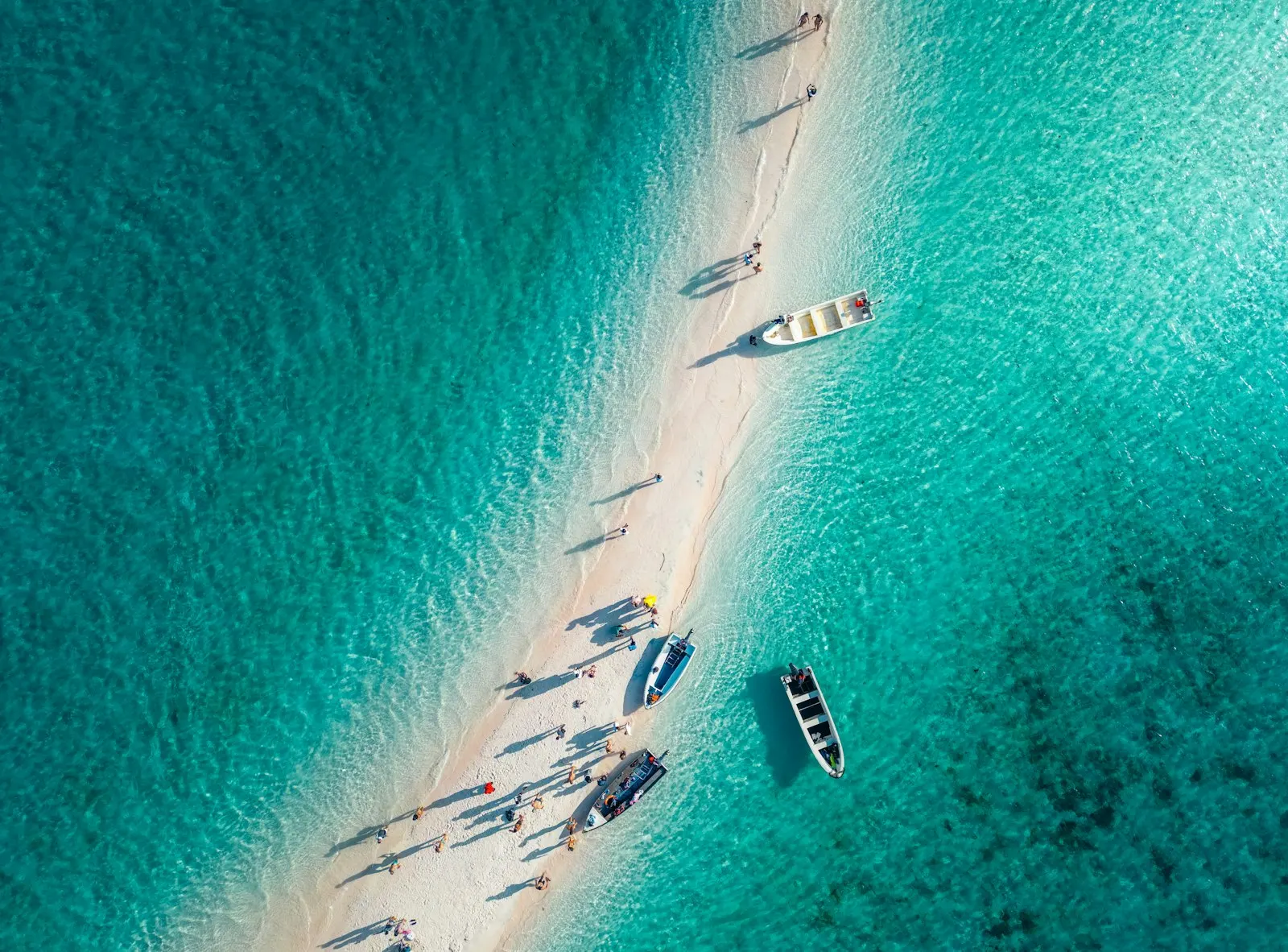
Pink Beach, or Pantai Merah, is one of the seven “pink beaches” in the world and a must-visit. Its sand gets its distinctive color from microscopic organisms called *Foraminifera* that produce a red pigment on coral reefs, which then mix with white sand.
* **Visiting:** Pink Beach is almost always included in day trips and liveaboards. It’s typically the stop after Komodo Island.
* **Activities:** Primarily snorkeling, swimming, and relaxing on the beach.
* **Snorkeling Conditions Pink Beach Komodo National Park:** The snorkeling conditions at Pink Beach are generally very good. The water is often clear and calm, especially during the dry season. The reefs close to the shore are vibrant, home to a variety of colorful fish and corals. Visibility can range from 10 to 25 meters, providing excellent views of the underwater ecosystem. Currents are typically mild, making it suitable for all skill levels. Always listen to your guide’s instructions regarding currents and best snorkeling spots.

Komodo Island & Rinca Island

These islands are the primary habitats of the Komodo dragon. Trekking with a park ranger is mandatory for safety and to learn about these apex predators. Sightings are never guaranteed but are frequent.

Manta Point

This site is famous for its aggregations of manta rays. While sightings are never guaranteed, the chances are high, particularly during certain tides and seasons. Snorkeling or diving alongside these gentle giants is an unforgettable experience.

Other Snorkeling Spots

Many trips also include stops at smaller, unnamed islands or specific reefs known for their pristine corals and abundant marine life, such as Kanawa Island or Taka Makassar.

Ready to plan your unforgettable journey through Komodo National Park, including the iconic Padar Island? Our team at Komodo Ticket can help you curate the perfect itinerary, from efficient day trips to luxurious liveaboard experiences. Visit our plan your trip page or connect with us via WhatsApp for personalized assistance.

Frequently Asked Questions About Padar Island

Is the Padar Island hike difficult?

The Padar Island hike is considered moderately challenging. It involves climbing approximately 800 steps, some of which are steep and uneven. While not overly long (30-45 minutes to the top), the incline and tropical heat can make it strenuous. Proper footwear and hydration are essential.

What is the best time of day to hike Padar Island?

Many visitors prefer a sunrise hike for cooler temperatures and spectacular golden hour photography. The alternative is a daytime hike, which offers clear views but comes with intense midday heat. Sunset hikes are less common due to the challenge of descending in the dark.

Do I need a guide for Padar Island?

While a local Komodo National Park ranger is typically present at the base of Padar Island, a dedicated guide for the hike itself is usually not mandatory. However, your tour operator will arrange for all necessary park permits and entry requirements as part of your trip package.

How long should I plan for a visit to Padar Island?

For the hike and enjoying the viewpoint, allocate about 1.5 to 2 hours. This includes the ascent, time at the top for photos and enjoying the view, and the descent. This duration fits well into both day trips and multi-day liveaboard itineraries.

Can I swim or snorkel around Padar Island?

While Padar Island is primarily known for its viewpoint hike, some smaller coves around the island offer opportunities for swimming. However, the more renowned snorkeling and swimming spots, such as Pink Beach and Manta Point, are typically included as separate stops on most Komodo National Park tours.

Our goal at Komodo Ticket is to provide clear, practical information to help you plan your journey. We believe in transparency and honest recommendations. No one can pay to change what we publish; if you proceed with our partner they may pay us a referral fee at no extra cost to you. If you’re ready to explore Komodo National Park and experience Padar Island for yourself, we encourage you to plan your trip with us. Our experienced team is ready to assist you via our website or WhatsApp, ensuring your adventure is seamless and memorable.

Komodo National Park Map

Plan My Komodo Trip
WhatsAppPlan Trip