Is Komodo National Park Worth It in 2027? An Honest Take

Is Komodo National Park Worth It in 2027? An Honest Take

Is Komodo worth it in 2027 if you factor in higher park fees, more boats, and long flights to Labuan Bajo? For most visitors who prepare well and pick the right trip style, Komodo National Park still delivers a rare mix of wildlife, islands, and sea life that justifies the effort and cost.

Quick answer: who is Komodo National Park really “worth it” for in 2027?

Komodo National Park has changed fast over the past decade: more visitors, shifting regulations, and rising costs. The magic is still there, but it’s not a low-key bargain any more.

Best for
Active travelers, ocean lovers, photographers, honeymooners who want a boat-based escape, families with school-age kids who enjoy nature.
Think twice if you
Hate boats or moderate hikes, need full luxury at every step, or want a cheap party trip with zero structure.
Trip length “sweet spot”
3 days / 2 nights on a boat or 4–5 nights split between Labuan Bajo and a liveaboard.
Last verified cost range
Park fees + boat trips together often land between mid-range Bali and a small-ship cruise, as of June 2026.
Main trade‑offs
High impact experiences (dragons, mantas, islands) vs. real costs, growing crowds, and some physical effort.

If that already sounds aligned with how you like to travel, Komodo is probably worth it. If not, the rest of this guide will help you decide.

The unique experiences you can’t really swap out

1. Komodo dragons in their last stronghold

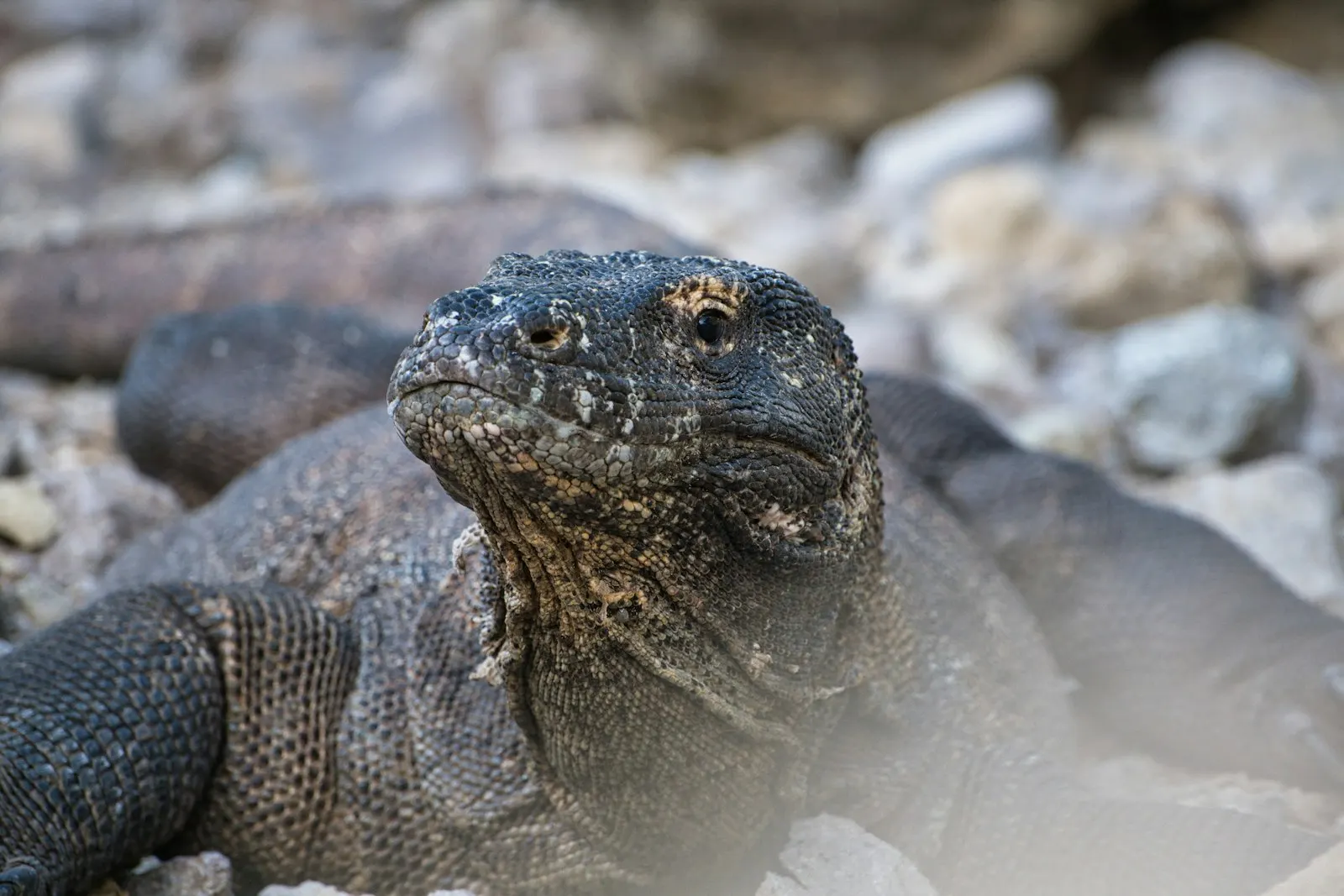
Visiting Komodo or Rinca Island to see wild Komodo dragons is the headline experience. They are not in a zoo or behind glass; you’re on their home turf, walking with local rangers.

That raises fair questions like “how safe are Komodo dragons for tourists 2026?” and what realistic risks exist. Based on a decade watching how visits are managed:

  • Walks are always ranger-led on Komodo, Rinca and Padar’s regulated trails.
  • Group sizes and routes shift with weather, season, and dragon behavior.
  • Incidents are rare relative to visitor numbers, but dragons are apex predators; they are never “tame.”

For most visitors the dragon walk is a high-adrenaline but controlled experience. You need to respect ranger instructions and your own limits, not treat it as a theme park. We dig deeper into Komodo National Park safety tips, dragon attacks, and swimming currents in a later section.


2. Padar Island sunrise: beautiful, but crowded

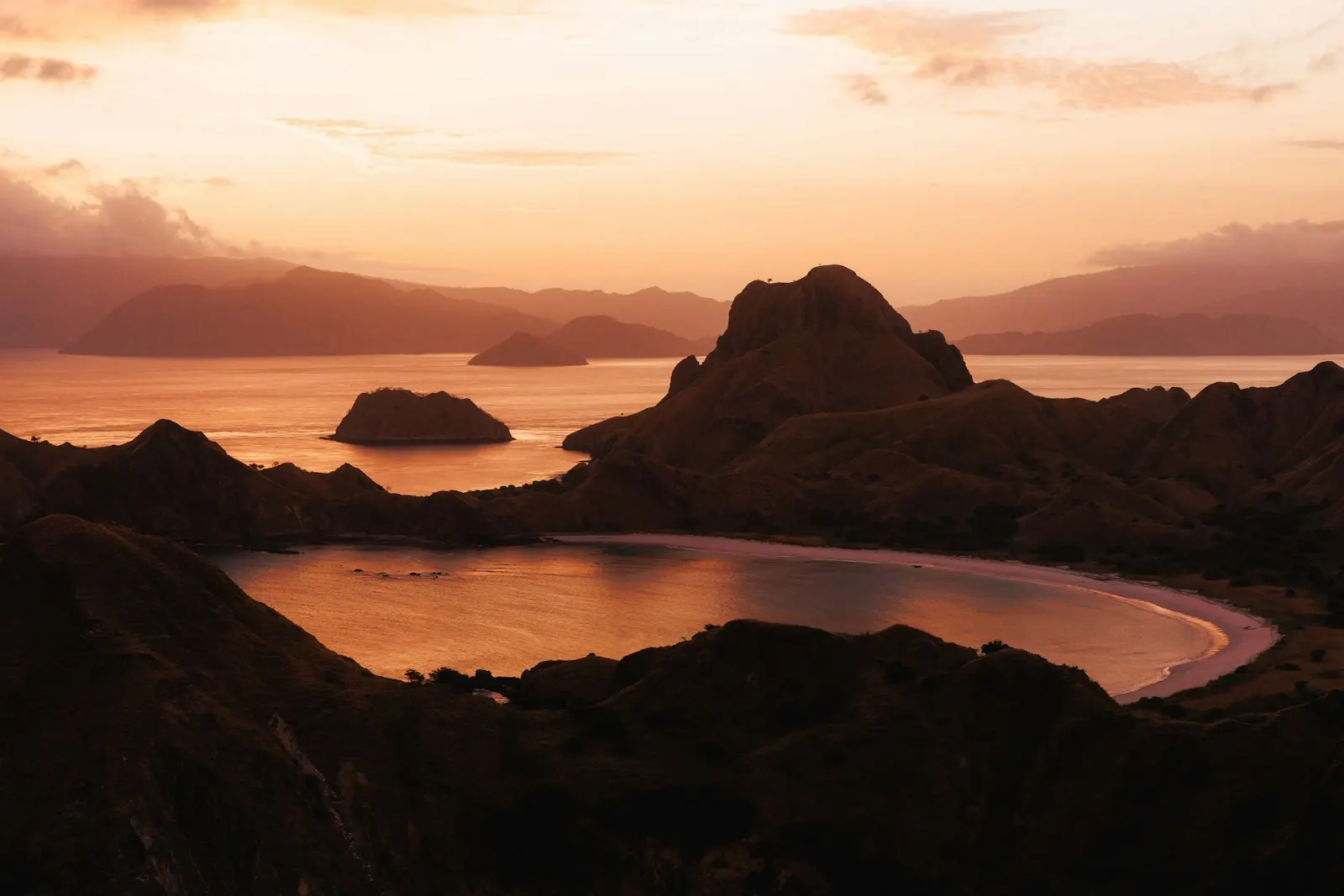
Padar’s ridgeline view – with three different colored bays curving below – is one of Indonesia’s most photographed scenes. It’s a roughly 20–40 minute hike up marked stone steps and trail, with heat and humidity amplifying the effort.

What’s changed:

  • Sunrise and sunset on Padar are now busy in high season; you share the view.
  • Trail improvements make the climb more accessible, but also funnel more people.

If you absolutely need solitude, Komodo might frustrate you; if you can accept a shared viewpoint for a genuinely dramatic landscape, Padar still delivers.

3. Manta rays, coral, and strong seas

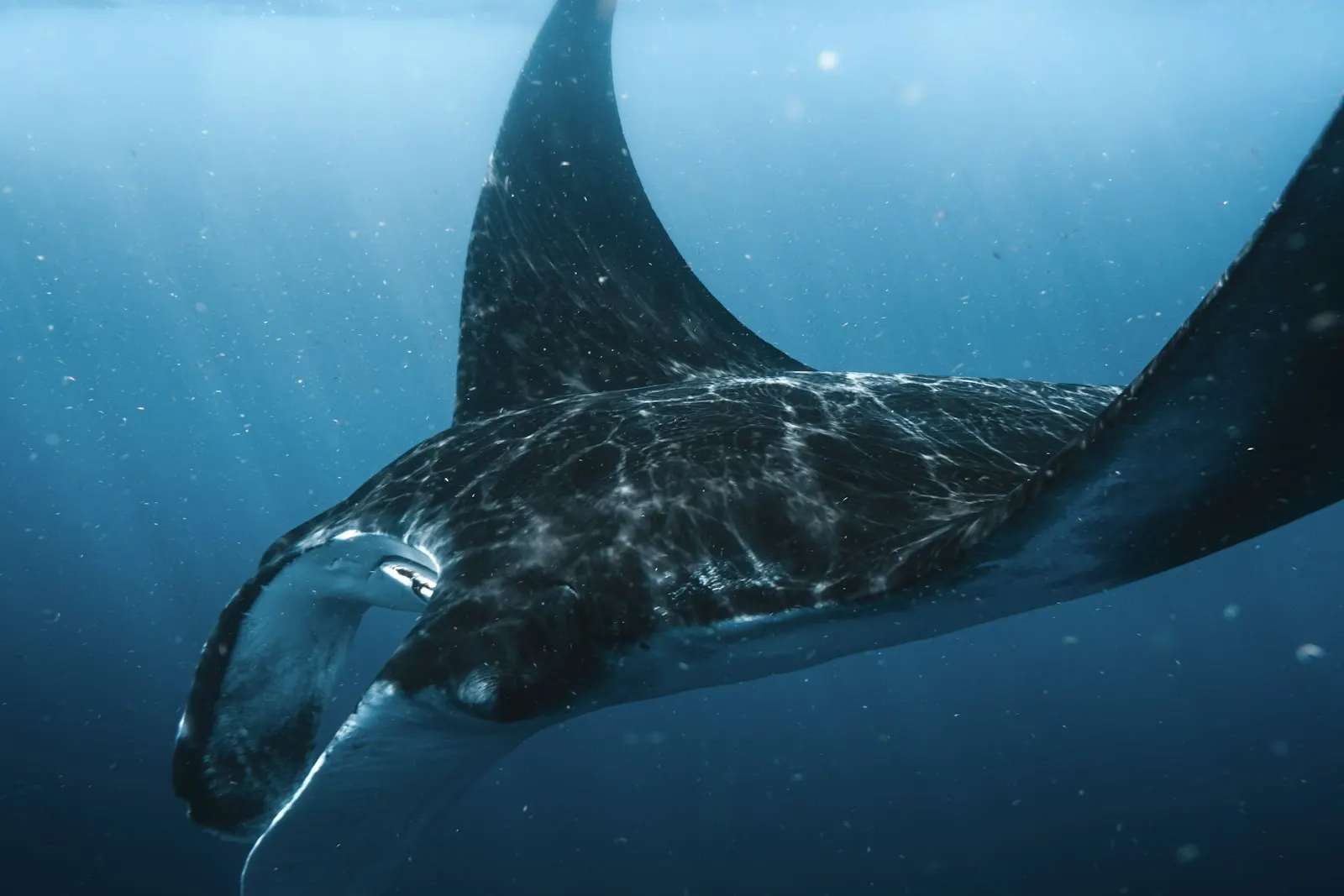
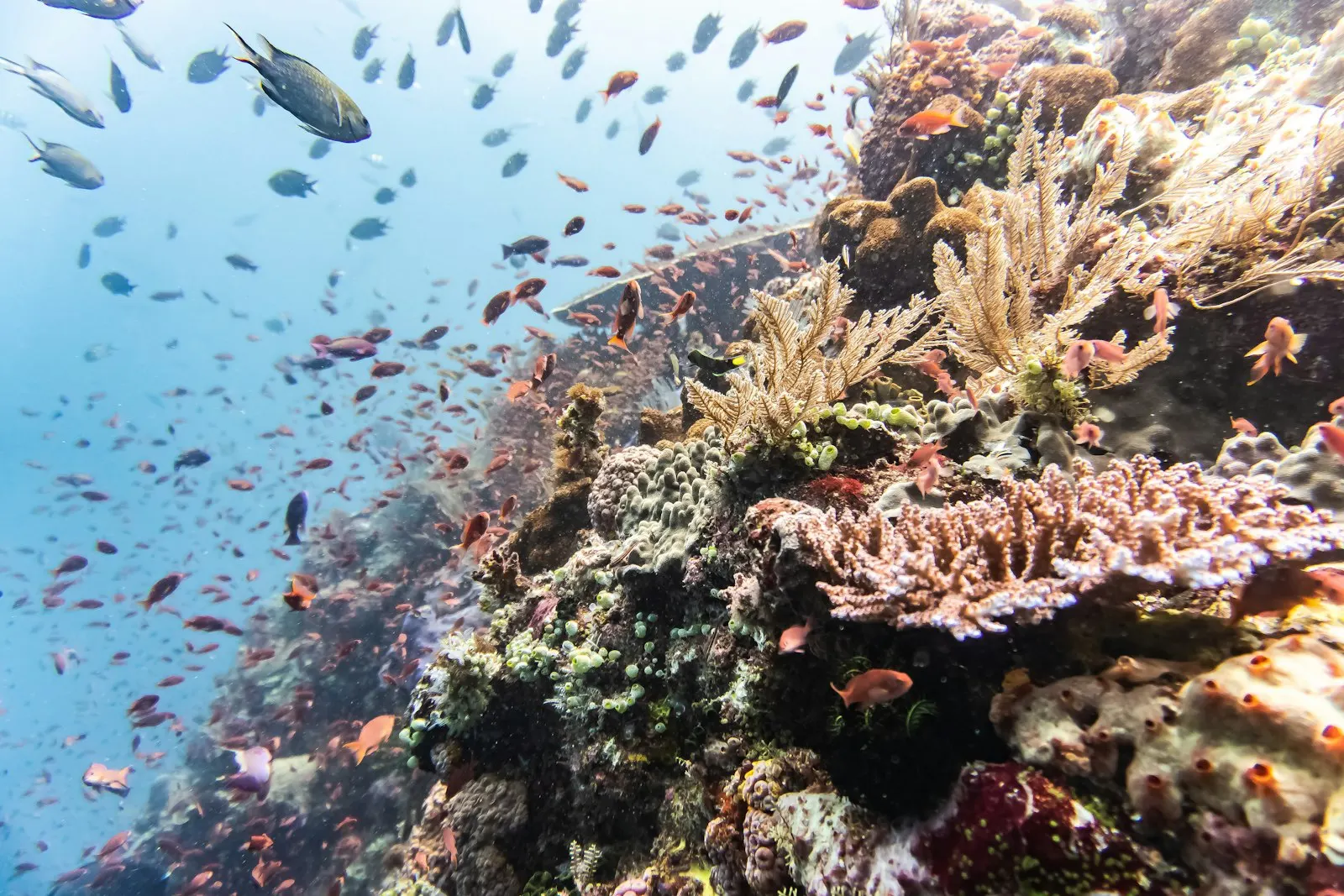
Snorkeling over manta cleaning stations or drifting along Komodo’s reefs is often the moment people say made the trip “worth it.” You’re swimming in channels where Pacific and Indian Ocean waters meet, bringing both nutrients and strong currents.

Two key points:

  • Mantas and turtles are never guaranteed, even at popular spots like Manta Point or Makassar Reef.
  • Conditions can shift quickly; boats and guides make in-the-moment calls on safety.

We’re often asked: “Is it safe to swim in Komodo National Park with currents?” The short answer: for confident swimmers with a good crew watching, yes, in designated spots and conditions. Poor swimmers, or trips that ignore safety protocols, increase risk significantly.

4. Pink sand, empty bays, and life on the water

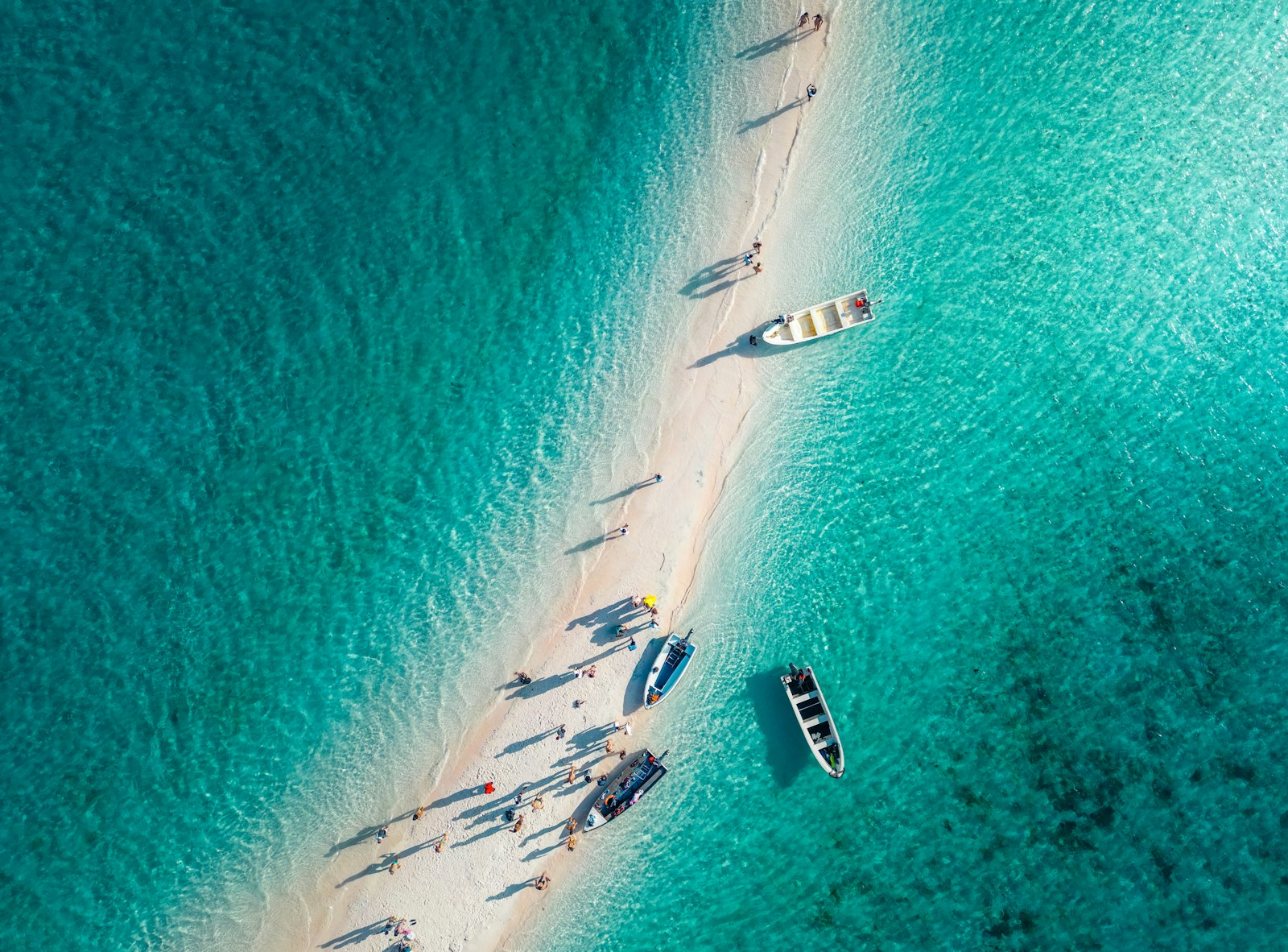
Komodo’s “pink beaches” (tiny red coral fragments mixing with white sand) and sheltered bays add to the sense you’ve properly left the mainland behind. These aren’t untouched secrets anymore, but they’re still far quieter than most famous beaches in Bali.

The real luxury, though, is often the rhythm of being on a boat: sunrise coffee on deck, afternoon naps, stars above minimal light pollution. For couples, that’s a big part of why a komodo honeymoon itinerary 3 days 2 nights luxury boat has become a recurring request at our desk.

How the costs stack up vs the experience (2027 outlook)

Komodo is no longer a cheap add-on to Bali. It’s moved into “considered trip” territory: not as expensive as a full-on expedition cruise, but not backpacker-basics either once you factor in everything.

Key cost components (ranges, not promises)

All ranges last verified June 2026. Regulations and fuel, park, or service costs can shift; always double-check when you plan your trip.

  • Flights to Labuan Bajo (LBJ) – Typically more than a Bali taxi, less than a long-haul hop. Prices fluctuate heavily with season and promos.
  • Park fees – Multiple lines of charges (park entry, conservation, trekking, snorkeling/diving, ranger fees) vary by nationality, activity, and day of week. Expect them to be a noticeable share of your per-day cost, especially on multi-day trips.
  • Boat trip – From basic shared day trips up to premium liveaboards; wide price bands depending on boat standard, cabin type, and inclusion level.
  • Labuan Bajo hotels – Everything from simple inns to romantic resorts in Labuan Bajo for a Komodo honeymoon. The upper end rivals mid-range urban hotels in major cities.
  • Extras – Transfers, equipment rental if you’re not bringing your own, tips, meals in town, optional photo/video services.

Value vs alternatives

Compared to many short-haul island trips in Southeast Asia, Komodo often comes out:

  • More expensive than a basic Thai island-hopping holiday.
  • Cheaper per day than most Galápagos or small-ship expedition cruises.
  • Similar band to a carefully planned Maldives or Raja Ampat trip if you aim mid-range, but generally shorter in duration.

If your main goal is simply “a beach and a nice pool,” you’ll probably find better value elsewhere. If what you want is a compact, high-intensity mix of dragons, rugged islands, and manta/snorkeling potential, Komodo’s price-to-experience ratio is competitive.

Crowds, expectations, and seasonality

How busy does it really feel now?

Labuan Bajo has grown from a sleepy port into a small but active gateway town. The harbor has more boats; key spots like Padar, Komodo, Rinca, and popular pink beaches see lines of day-trip and overnight vessels in high season.

Realistically:

  • Expect company at the “big four” sights in peak months.
  • Expect quieter bays and lesser-known snorkeling sites, especially on well-designed itineraries that avoid standard timing.

Best times to go (by type of traveler)

  • Dry season (roughly April–October) – Clearer seas and skies, but busier and pricier at the heart of the season.
  • Shoulder months – Often the sweet spot for those balancing weather, price, and crowd levels.
  • Wet season – Greener landscapes, fewer boats, but higher chance of rain, some sea conditions and trip adjustments.

No month can guarantee conditions or wildlife; choose your compromise: smoother logistics vs fewer people vs budget.

Safety in Komodo: dragons, currents, kids, and comfort zones

Komodo National Park safety tips: dragons and attacks

Questions about komodo national park safety tips dragons attacks come up in almost every planning call. Here’s how to think about it:

  • Stay behind the ranger at all times; they read body language and distance better than first-timers.
  • No food, no rustling plastic in your hands or pockets during walks; it can attract unwanted attention.
  • Watch where you step or sit; dragons and other wildlife can be camouflaged in shade or brush.
  • Listen for route changes; rangers may adjust trails based on recent dragon behavior or weather.
  • Follow rules if menstruating; ask your guide or ranger about current protocols as policies can change.

Incidents involving tourists are exceedingly rare relative to the visitor base, but not impossible. The risk is managed, not eliminated.

Is it safe to swim in Komodo National Park with currents?

Currents are part of why the park’s reefs are rich – and part of why caution is essential.

Ask your operator concretely about:

  • How they assess sites and conditions on the day.
  • Life jacket and float availability for weaker swimmers.
  • Guide-to-guest ratios in the water.
  • Clear briefings: entry and exit points, what to do if separated.

If you’re not a confident swimmer, tell your guide plainly. In some spots you can still enjoy shallower, protected bays while others tackle drift snorkels or deeper water.

Is Komodo good for kids and family friendly?

The question “is Komodo good for kids family friendly?” doesn’t have a single answer; it depends on your children and your tolerance for structure.

Generally:

  • Best ages – Primary school and up, who can follow safety instructions and enjoy short hikes.
  • Boat choice matters – For families, favor stable boats with enclosed or well-guarded decks, clear life jacket provision, and flexible cabin layouts.
  • Pace – Choose itineraries that limit early wake-ups or multiple long hikes in one day.

For toddlers or children who dislike boats, the trip can feel like more work than reward. A short “test” day trip from Labuan Bajo before committing to an overnight can help gauge fit.

Honeymoons and couples: is Komodo a good romantic choice?

For couples who like shared adventure over polished urban luxury, Komodo is one of Indonesia’s stronger choices.

Designing a Komodo honeymoon itinerary 3 days 2 nights (luxury boat)

A classic komodo honeymoon itinerary 3 days 2 nights luxury boat often looks like:

  • Day 1 – Depart Labuan Bajo harbor, snorkel a calm reef, sunset from an island viewpoint, dinner on board under the stars.
  • Day 2 – Early hike (Padar or a quieter alternative), beach time (including a pink beach), second snorkel or manta site if conditions allow.
  • Day 3 – Morning Komodo or Rinca dragon walk, relaxed sail back to Labuan Bajo, possibly with a final swim stop.

Upgrading to a komodo private charter honeymoon from Labuan Bajo gives you control over pace, wake-up times, and how much “social time” you want with other people vs just each other.

Romantic resorts in Labuan Bajo for a Komodo honeymoon

Labuan Bajo now has several higher-end properties with sea views, pools, and spa-style services that pair well with a boat trip. These romantic resorts in Labuan Bajo for komodo honeymoon typically sit a short drive from the harbor, allowing you to split time:

  • 1–2 nights pre- or post-cruise in a resort (massages, proper showers, unpacking).
  • 2–3 nights on a boat (more adventurous, more remote).

That combination often feels more balanced than trying to do everything on the boat or everything in town.

Trip styles: which kind of Komodo visitor are you?

Trip style Who it suits Pros Cons
Shared day trip Short on time, testing the waters, budget-conscious. Lower cost, one hotel base, sample key sights. Rushed, more crowds, limited range in the park.
Shared 2D1N / 3D2N boat Solo travelers, social couples, small groups. Good value per day, covers highlights, set structure. Less privacy, fixed schedule, mixed group dynamics.
Private charter (simple) Families, small friend groups wanting their own pace. Custom timing, kid-friendly pace, privacy. Higher cost per person, limited ultra-luxury details.
Private charter (premium) Honeymooners, special occasions, comfort-first. High comfort, tailored itineraries, more service. Significant cost; still a boat, not a city hotel.

If you’d like concrete options matched to your budget and comfort level, our Labuan Bajo desk can help you plan your trip over email or WhatsApp, from simple day tours to premium private charters with our operating partner Komodo Luxury.

What to wear in Labuan Bajo and Komodo Islands

Knowing what to wear in Labuan Bajo and Komodo Islands helps you stay comfortable and respectful.

On the boat and in town

  • Lightweight, breathable clothing – T‑shirts, loose shirts, shorts, light sundresses.
  • Extra layers – A thin long-sleeve for sun and a light jacket or hoodie for breezy evenings on deck.
  • Footwear – Sandals or flip-flops for the boat and town; light sneakers for more walking in Labuan Bajo.

For hikes and dragon walks

  • Closed shoes – Trainers or light hiking shoes/sandals with good grip.
  • Sun protection – Wide-brim hat/cap, sunglasses, high-SPF reef-friendly sunscreen.
  • Respectful coverage – Shoulders and midriff covered on dragon walks; avoid very revealing outfits in villages or near religious sites.

For snorkeling and the water

  • Rashguard or swim shirt – Helps with both sun and jellyfish stings.
  • Two swimsuits – So one can dry while you wear the other.
  • Optional – Light reef shoes if you have sensitive feet (but you should avoid stepping on coral).

Packing slightly more modestly than for a Bali beach club is appreciated by local communities and more practical for sun and insects.

Who Komodo is probably NOT worth it for

This part is as important as the highlights.

  • Travelers who get seasick easily and can’t manage it – Even in calm periods, you are on a boat to see the park. If you know boat motion makes you miserable, reassess.
  • Those expecting full-on metropolitan luxury – You can sleep comfortably and eat very well, but this is still a small town and marine park, not Singapore or Dubai.
  • People who dislike rules – Park regulations, ranger instructions, and boat safety briefings are non-negotiable. If that annoys you, you’ll feel constrained.
  • Anyone treating it as a party cruise only – There is space for a drink and music on deck, but Komodo is first and foremost a conservation area with real hazards if respect slips.

If that’s you, consider destinations with easier infrastructure and looser rules. You’ll have a better holiday, and Komodo will have fewer visitors misaligned with its realities.

How to decide: a quick self-check

Ask yourself:

  • Do I genuinely want to see big reptiles, rugged islands, and serious sea life – not just a resort?
  • Am I okay with some early mornings, sweat, and basic boat realities in exchange for those sights?
  • Can I budget for flights, park fees, and a reputable boat without scraping every last cent?
  • Do I accept that nature is unpredictable – no guaranteed mantas, sunsets, or crowd-free photos?

If you’re nodding yes, Komodo in 2027 is very likely to feel worth it. If your honest answers lean no, consider other Indonesian islands and revisit Komodo later.

If you’d like help stress-testing your plans, you can plan your trip with our team via WhatsApp or email; we’ll talk through safety, budget, and which itineraries fit your expectations before you commit to anything with our operating partner, Komodo Luxury.

FAQs: is Komodo worth it in 2027?

Is Komodo still worth visiting if I’ve been to Bali and other Indonesian islands?

Yes, if you’re interested in dragons, manta potential, and a boat-based marine park experience. Komodo feels very different from Bali’s temples or Java’s volcanoes; it’s closer to a compact expedition-style trip than a beach resort holiday.

How many days do I need in Komodo to make it worthwhile?

Plan at least 2 full days in the park (often as a 2D1N or 3D2N boat trip) plus a night in Labuan Bajo at the start or end. That usually gives time for dragons, one main viewpoint, a pink beach, and at least one solid snorkeling session.

Is Komodo safe for solo travelers?

Yes, solo travelers visit routinely. The key is to book with reputable operators, listen to safety briefings, and choose group trips or well-reviewed private charters rather than very cheap, loosely organized boats.

Can I visit Komodo National Park without spending a lot?

You can keep costs down by choosing shared trips, traveling in shoulder seasons, and staying in simpler hotels, but there is no ultra-cheap way to see the park once park fees and boats are included. If your budget is very tight, it may be better to wait and save or choose a more accessible island.

Are Komodo dragons active all year round?

Dragons live in the park year-round, but how many you see, and how active they are, can vary with weather, temperature, and time of day. Rangers adjust walks based on recent sightings, but no specific number of dragons can be guaranteed on any date.

Plan My Komodo Trip
WhatsAppPlan Trip