The **best time to visit Komodo** National Park largely depends on your priorities: whether you seek calm seas for diving, fewer crowds, or specific wildlife encounters. Generally, the dry season, from April/May to October/November, offers ideal conditions for most visitors, characterized by sunny skies and excellent visibility. This comprehensive guide, informed by our insights into Komodo park regulations and visitor logistics, will help you decide the `best time to visit Komodo National Park` for your personal adventure.
However, the park’s unique ecosystem means there’s something remarkable to experience year-round. Understanding the nuances of each month, from weather patterns to Komodo dragon activity and manta ray sightings, is key to planning your responsible visit to this protected natural wonder.
Komodo’s Climate: Dry Season vs. Rainy Season
Komodo National Park, situated in the Lesser Sunda Islands, experiences two distinct seasons that shape its landscape, marine life, and visitor experience. Understanding these broader patterns is crucial for any travel planning.
The Dry Season: Sun, Serenity, and Clear Waters (April/May to October/November)
The `komodo dry season months` are widely considered the peak period for tourism. From late April through October, the region is bathed in abundant sunshine with minimal rainfall and lower humidity. Average temperatures hover between 25-30°C, making for pleasant days exploring the islands.
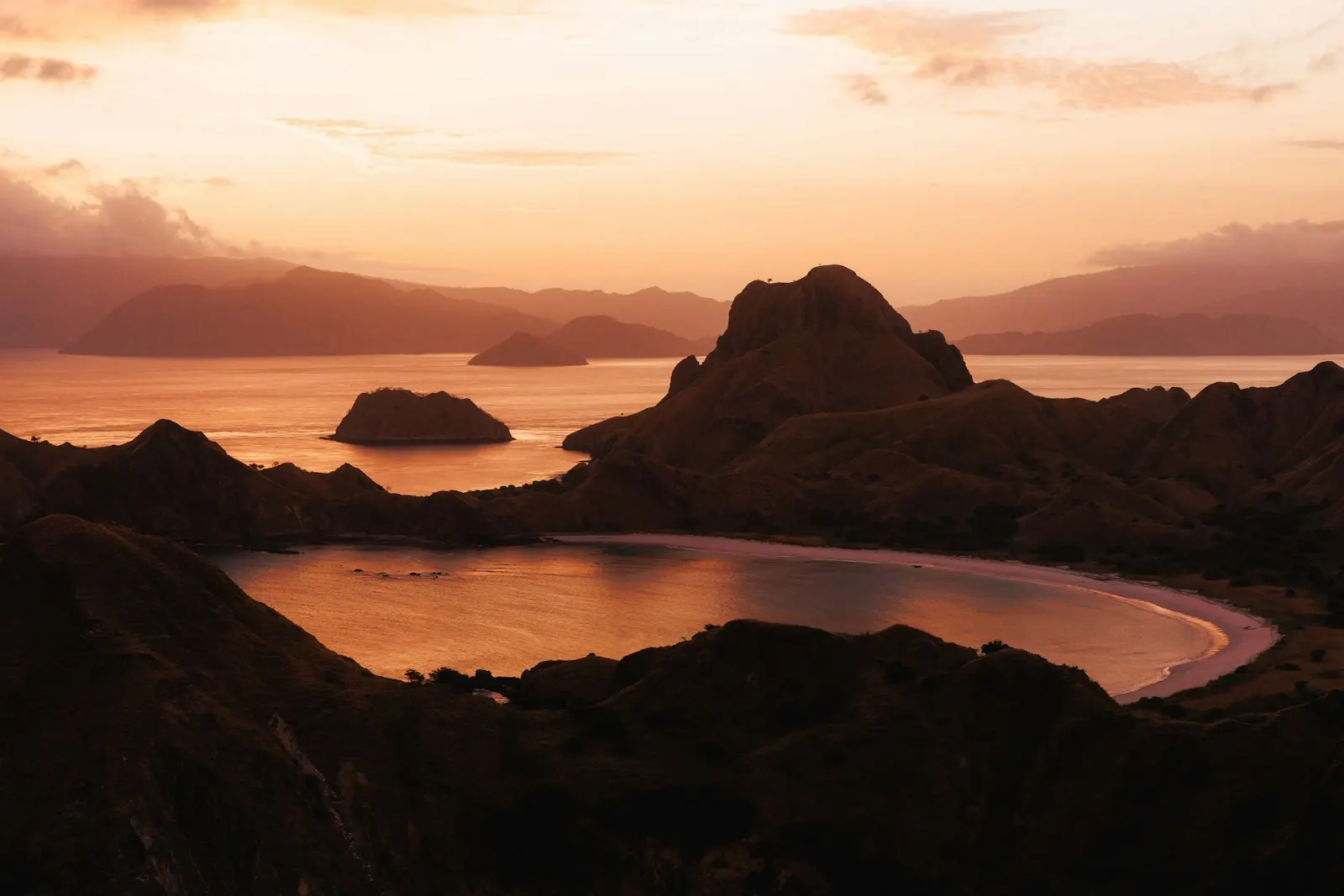
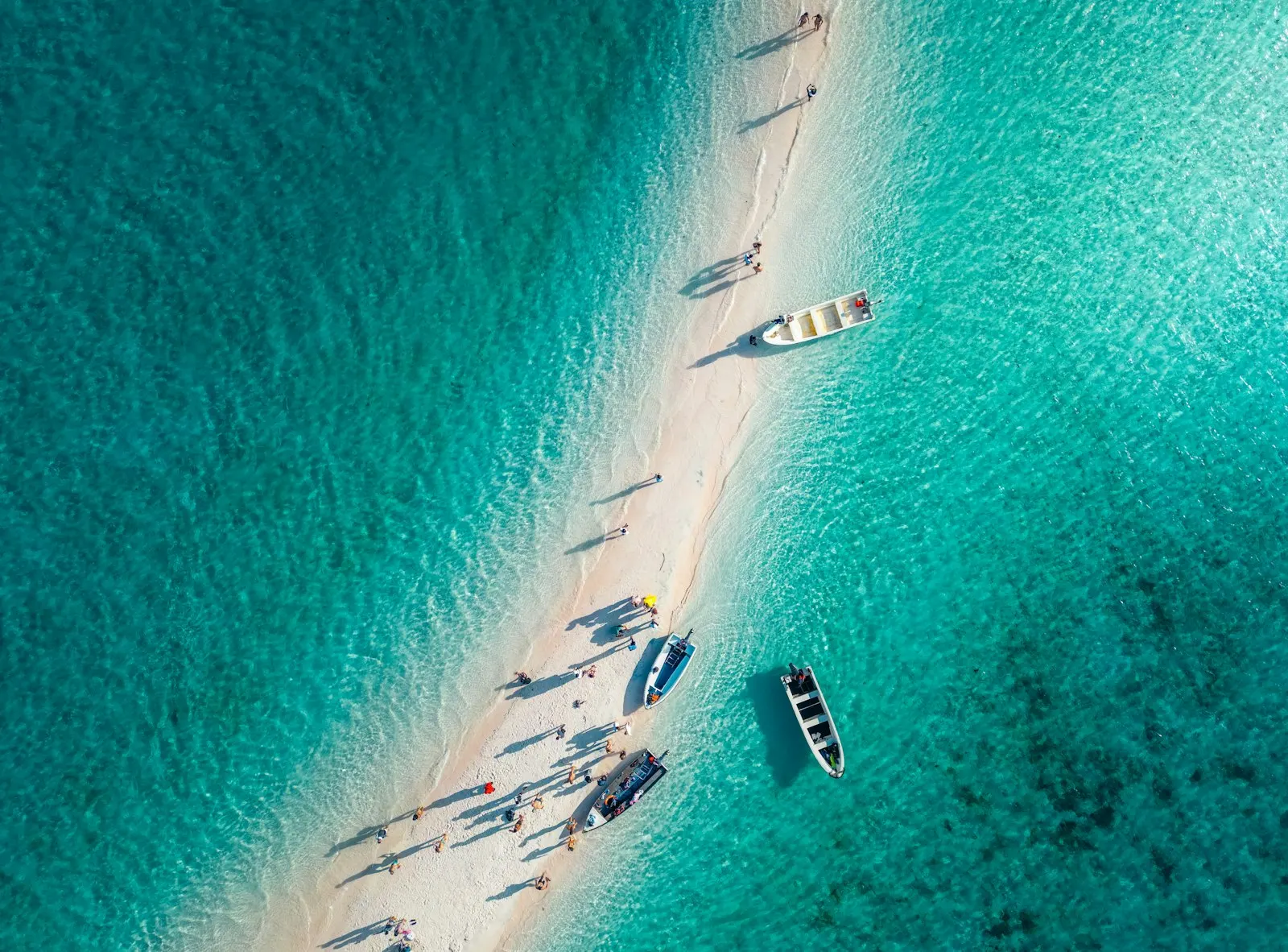
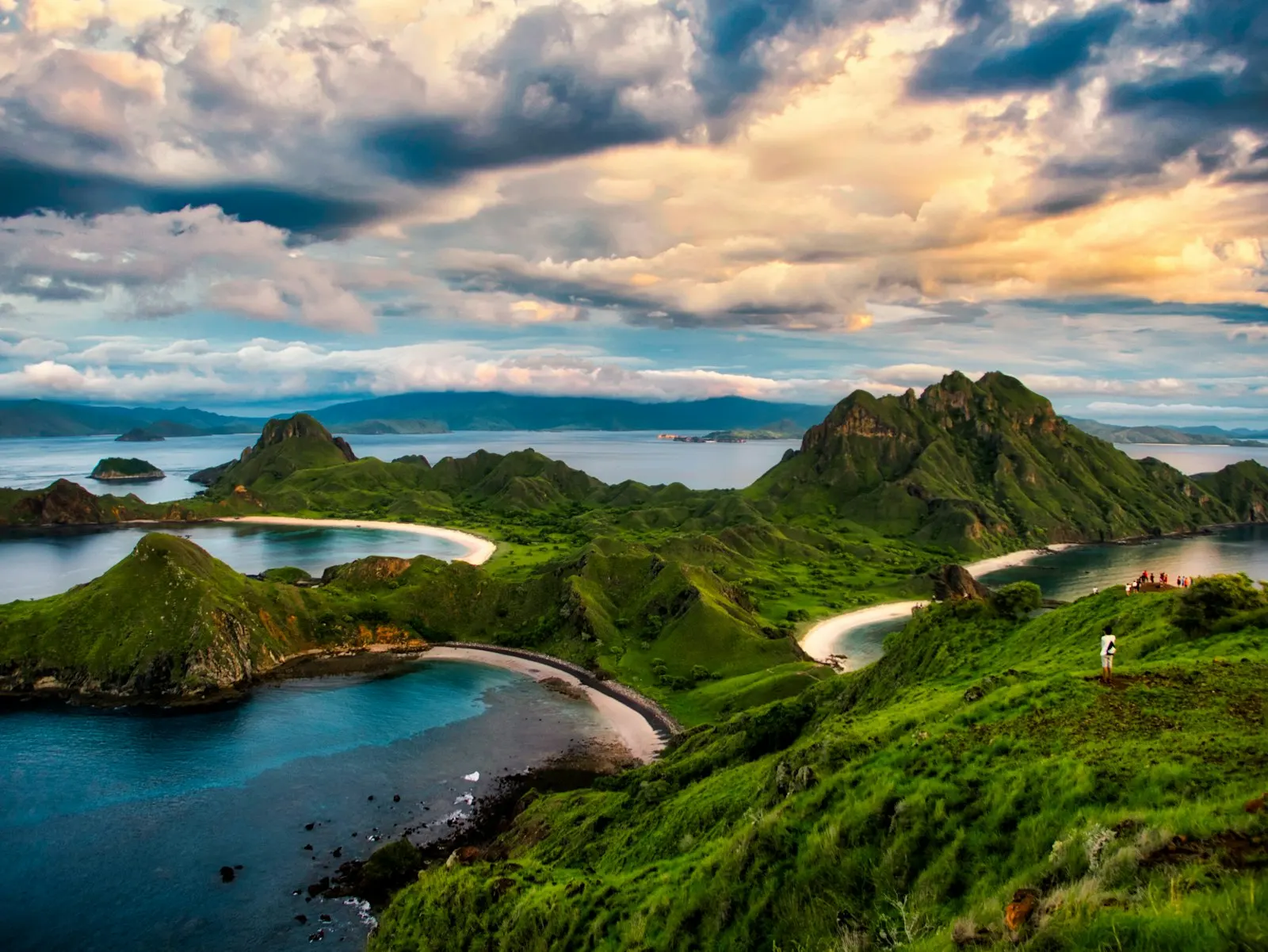
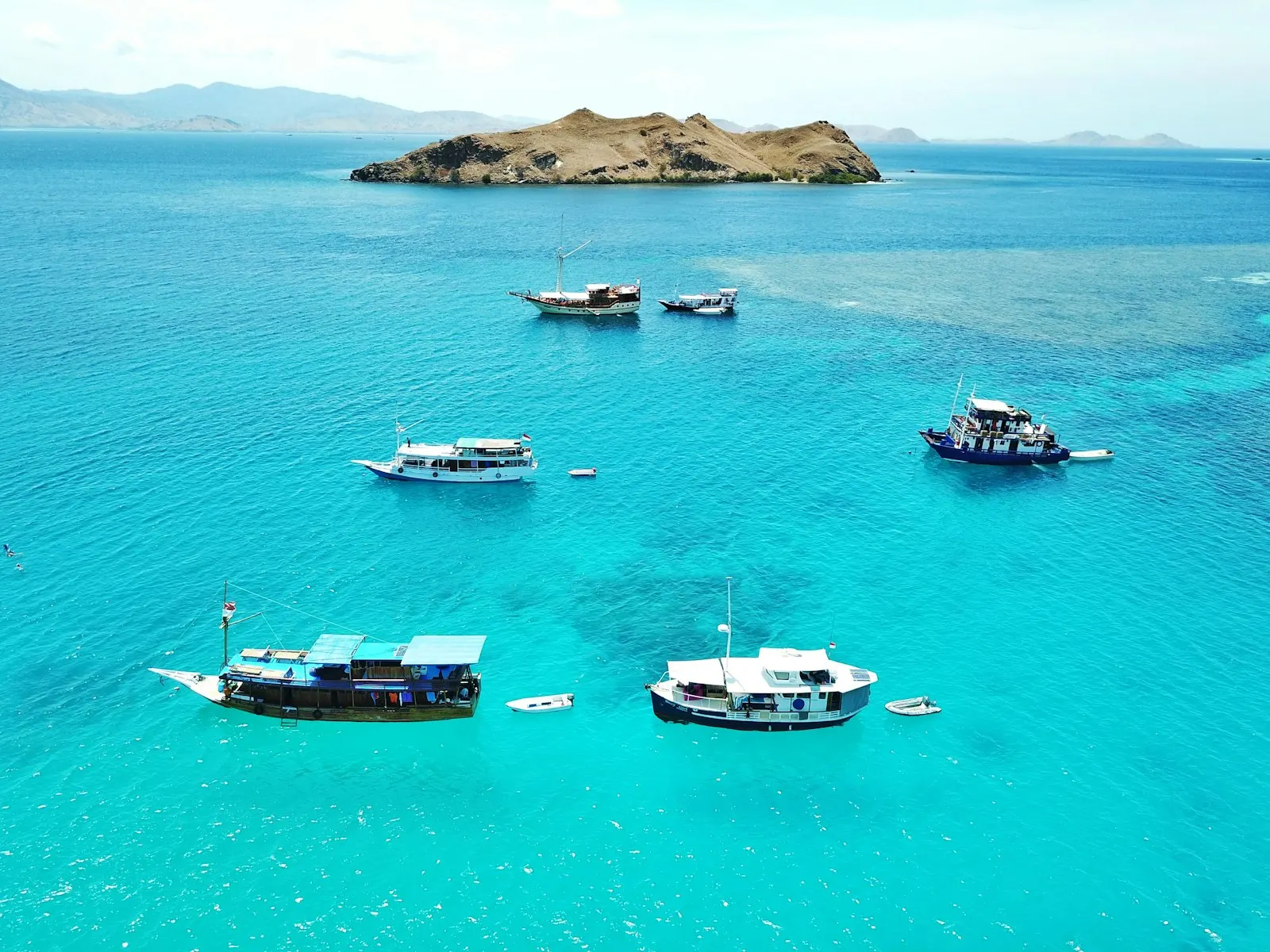
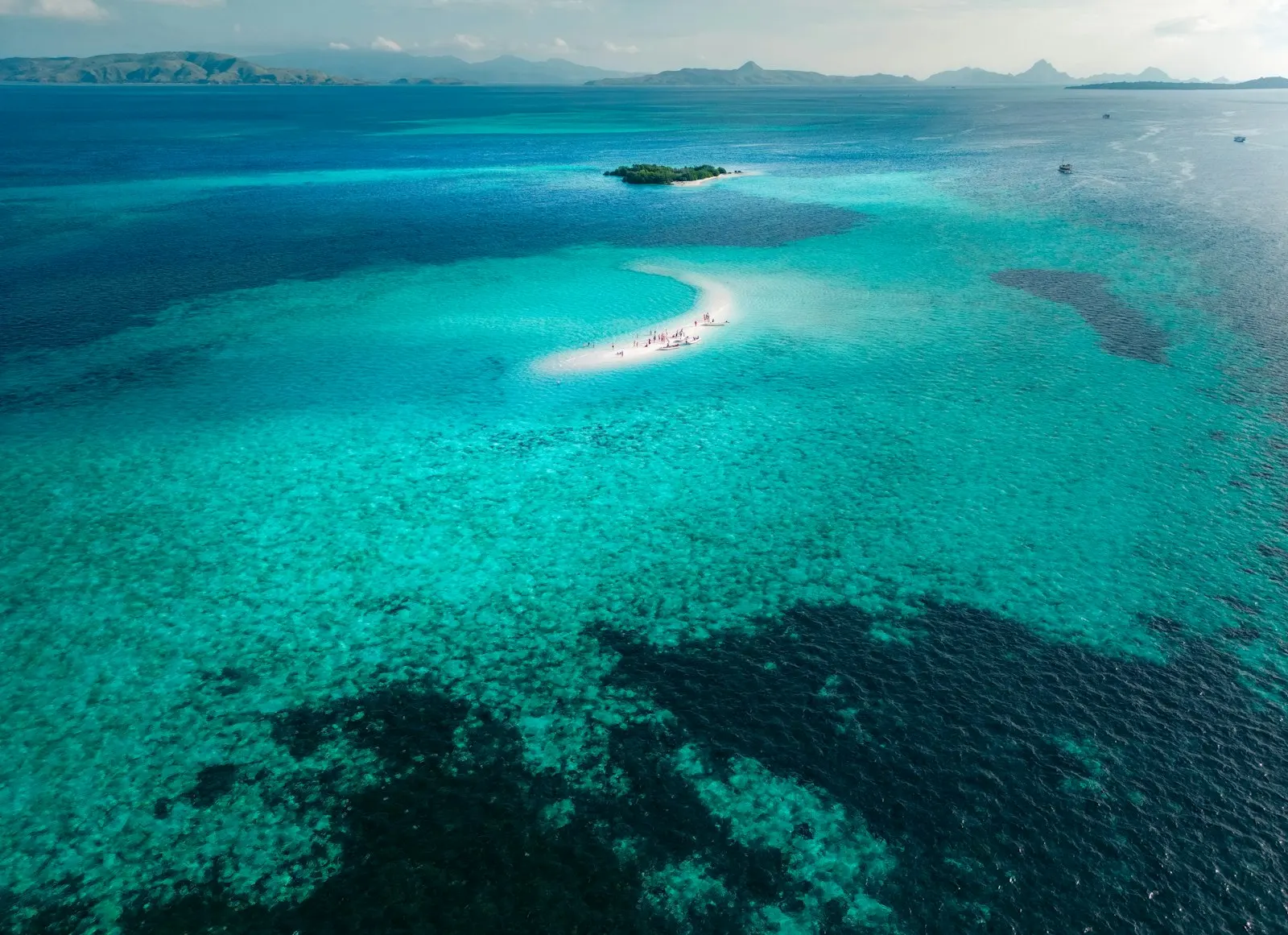
* **Weather and Sea Conditions:** Expect clear, blue skies almost daily. The seas are typically calm, offering superb visibility for snorkeling and diving. This period is ideal for island hopping, hiking to viewpoints like Padar Island, and relaxing on Pink Beach.
* **Crowds:** As the most popular time, particularly from July to August, the park experiences its highest visitor numbers. Attractions like Loh Buaya on Rinca Island and Komodo Island can feel busy, especially during mid-day. The daily visitor quota, managed through the mandatory SiOra booking system, means pre-booking is essential.
* **Dragon Activity:** While Komodo dragons are active year-round, the dry season often coincides with their breeding season (July-August) and nesting season (September), offering unique behavioral insights under the guidance of park rangers.
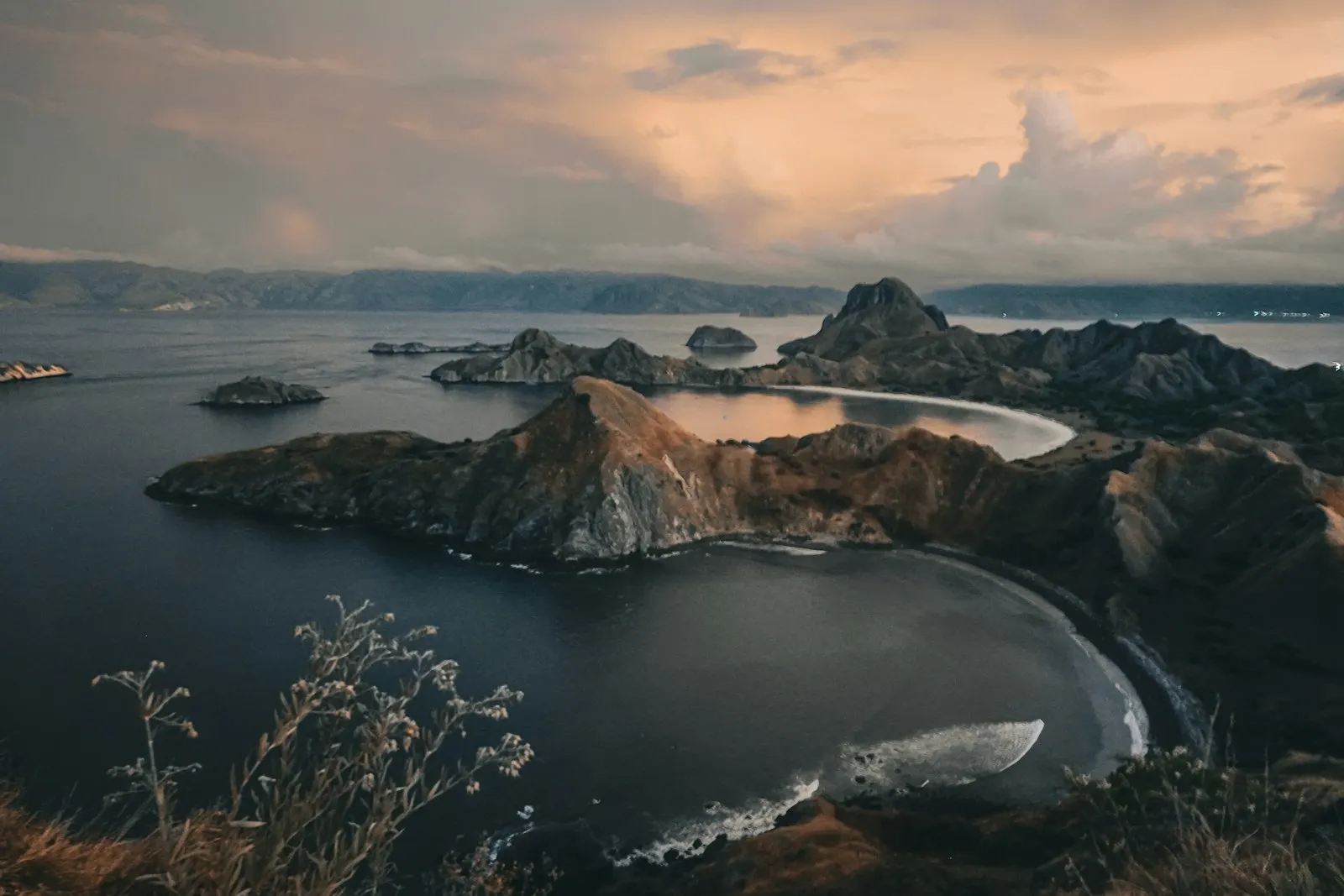
* **Landscape:** The islands become golden and arid, a striking contrast to the turquoise waters. This unique savanna-like environment is part of Komodo’s iconic visual appeal.
The Rainy Season: Lush Landscapes and Manta Magic (November/December to March/April)
The `komodo rainy season when does it start` typically begins in November or December, lasting until March or early April. While it might sound less appealing, this period offers its own distinct advantages and a different perspective on the park. Average temperatures range from 23-28°C, with higher humidity.
* **Weather and Sea Conditions:** Rainfall can vary from short, intense showers to prolonged periods of rain, though prolonged heavy rain for days on end is less common. January and February usually see the most precipitation. Seas can be choppier, especially in exposed areas, potentially impacting boat travel or dive site access. However, periods of calm weather are also frequent.
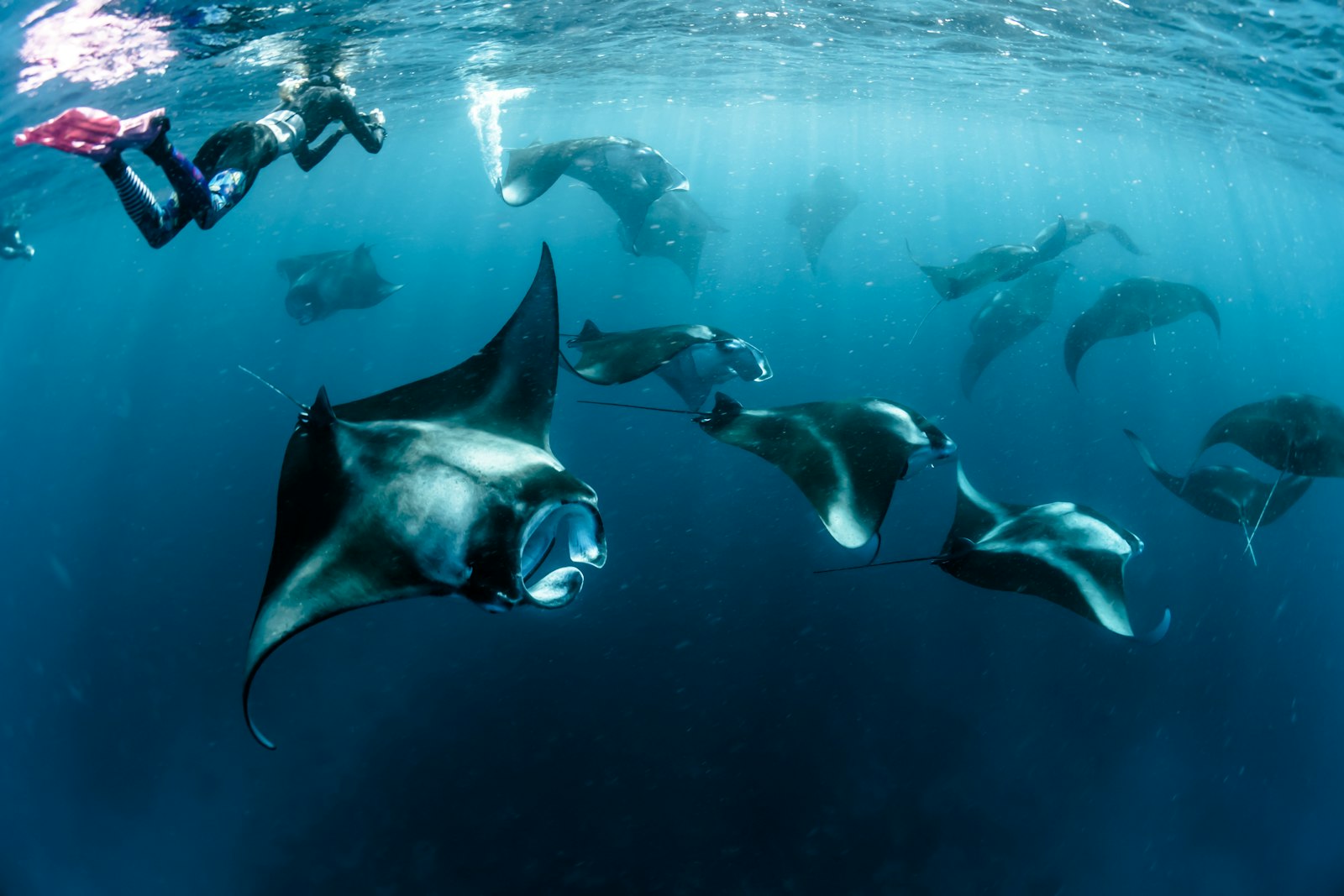
* **Manta Magic:** The rainy season coincides with the prime manta ray season (October-April). Increased plankton blooms due to rainfall runoff attract these magnificent creatures, offering higher chances of encounters at sites like Manta Point.
* **Crowds:** Visitor numbers are significantly lower during these months, meaning a more serene experience at popular spots. Prices for flights and accommodation in Labuan Bajo and tour packages tend to be more competitive.
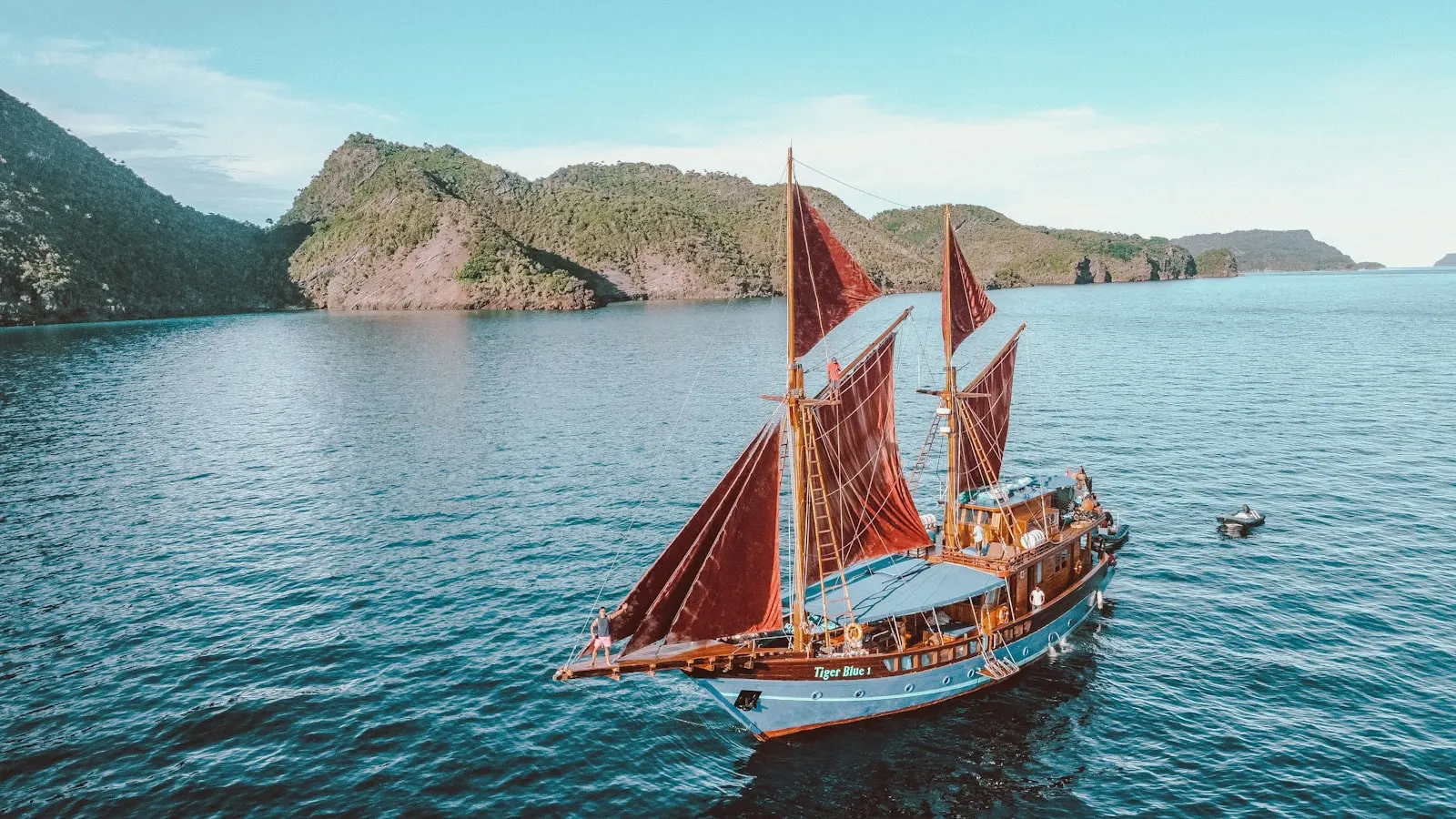
* **Landscape:** The islands transform into vibrant green, with lush vegetation covering the hills. This provides a dramatic and verdant backdrop for photography and exploration.
Your Month-by-Month Guide to Komodo National Park
Understanding the specific characteristics of each month can help tailor your trip to your preferences. Here’s a breakdown of `komodo island weather by month` and other key factors.
January
January falls squarely in the rainy season. Expect moderate to heavy rainfall, often in the afternoons, though sunny spells are common. Average temperatures are around 26°C. Seas can be choppy, particularly around the full and new moons, which influence currents. This means occasional changes to boat itineraries or dive site accessibility. Manta ray sightings are very likely due to abundant plankton. Crowds are low, and prices are generally at their lowest, making it a good option for budget travelers flexible with weather.
February
Often the wettest month, February brings the highest chance of rain and potentially rougher seas. Average temperatures are similar to January, around 26°C. Visibility for diving might be slightly reduced in some areas due to runoff, but manta ray encounters remain high. Fewer visitors mean a more intimate experience, especially on liveaboard trips where operators can adapt to conditions. Flexibility is key for a February visit.
March
As the rainy season begins to wane, March sees a gradual decrease in rainfall and an increase in sunny days. Average temperatures start to climb slightly to 27°C. Sea conditions generally improve, though some choppy days can still occur. Manta sightings are still strong, and the landscapes remain wonderfully green. Crowds are still low, and prices begin to tick up slightly towards shoulder season rates.
April
April marks the transition from rainy to dry season. The weather becomes increasingly stable with more sunshine and less rain, especially towards the end of the month. Average temperatures are around 28°C. Sea conditions are generally good, with improving visibility. This is a fantastic shoulder month: fewer crowds than peak season, lush green islands from recent rains, and good chances for both dragon encounters and manta rays (especially early April). Dragon hatchlings might also be seen. `Komodo weather April vs August` comparison shows April is less crowded, greener, and still has good manta chances, while August is dry, golden, and packed.
May
May is a prime shoulder month, offering the best of both worlds. The dry season is firmly established, bringing consistently sunny days and calm seas. Average temperatures are a comfortable 28-29°C. Visibility for diving and snorkeling is excellent. The islands retain some of their green hue before turning completely arid. Dragon activity is consistent. Crowds are moderate, increasing towards the end of the month. Prices are still reasonable before the high season surge.
June
June is an excellent month for visiting, with consistently clear skies, warm temperatures (around 29°C), and very calm waters. Visibility for underwater activities is superb. This is a popular month for liveaboard diving trips, as conditions are consistently favorable across all sites. Dragon activity is normal. Crowds start to build as the European summer holidays approach, but it’s not yet at peak levels. Prices reflect the increasing demand.
July
July kicks off the peak dry season. Expect hot, sunny weather with virtually no rain. Average temperatures can reach 30°C. Sea conditions are at their calmest, providing optimal conditions for all marine activities. This is also the beginning of the Komodo dragon breeding season, offering unique opportunities to observe their courtship rituals (from a safe distance with a ranger). Crowds are high, especially towards the end of the month, so booking flights, accommodation in `labuan bajo best time to go`, and park tours well in advance is critical. Prices are at their highest.
August
August is the absolute peak of the dry season and the busiest month. Hot, dry weather with average temperatures around 30°C and relentless sunshine is the norm. The islands turn a distinct golden-brown. Sea conditions are consistently excellent for diving, snorkeling, and boat excursions. The Komodo dragon breeding season continues, making for potentially dynamic encounters. Expect maximum crowds, particularly on Komodo and Rinca islands, and at popular viewpoints like Padar. Prices for everything are at their highest. For `komodo weather April vs August`, August is significantly drier, hotter, and much more crowded.
September
September continues the excellent dry season weather, with abundant sunshine and warm temperatures (around 29-30°C). Sea conditions remain ideal. Crowds begin to slightly thin out after the August rush, making it a favorable shoulder month. This is the Komodo dragon nesting season, where females lay their eggs in underground nests. While you won’t see the eggs, observing the females guarding their nests can be a unique experience. Prices are still high but may offer a slight reduction compared to August.
October
October is another excellent shoulder month as the dry season draws to a close. Sunny days and calm seas are still prevalent, with average temperatures around 29°C. Towards the end of the month, you might experience an occasional short shower signaling the approaching rainy season. Manta ray sightings begin to increase as plankton blooms start. Crowds are moderate, and prices might see a slight dip. It’s a great month for diving before the potential choppier seas of the wet season.
November
November marks the transition back to the rainy season. The weather can be mixed, with increasing chances of rainfall, especially later in the month. Average temperatures are around 28°C. Sea conditions are generally good but can become choppier on occasion. Manta ray sightings are good and continue to improve. Crowds are significantly lower, and prices for tours and accommodation become more attractive. This is a quiet time to experience the park’s natural beauty before the heavier rains.
December
December is firmly within the rainy season, bringing more frequent showers and higher humidity. Average temperatures hover around 27°C. Seas can be more active, potentially affecting some boat schedules, especially around Christmas and New Year. However, manta ray activity is excellent. Despite the rain, the park remains open, and the landscape is vibrant green. Crowds are generally low, except for a small spike around the Christmas and New Year holidays. Prices are typically lower outside of these festive weeks.
Komodo National Park Best Season for Diving and Snorkeling
For underwater enthusiasts, the `komodo national park best season for diving` and snorkeling is undeniably the dry season, from **April/May to October/November**. During these months, the prevailing east monsoon winds result in calmer seas and exceptional visibility, often exceeding 20-30 meters. Water temperatures are consistently warm, usually between 26-28°C.
* **Dry Season Highlights:** Expect clearer waters at world-renowned dive sites like Batu Bolong, Castle Rock, and Manta Point. The calm conditions are ideal for exploring vibrant coral reefs and encountering diverse marine life, including reef sharks, turtles, and schooling fish.
* **Manta Ray Season (October-April):** While mantas can be seen year-round, their presence is significantly higher from October to April. This period, overlapping with the transition and early rainy season, sees increased plankton, attracting large aggregations of these gentle giants. If manta rays are your primary goal, a trip during these months increases your chances, even if it means potentially encountering some rain or choppier surface conditions. Operators on Komodo Luxury liveaboards are skilled at finding the best spots.
Dragon Encounters: When Are Komodo Dragons Most Active?
Komodo dragons are active throughout the year, making sightings possible regardless of when you visit. However, certain periods offer unique insights into their lifecycle:
* **Breeding Season (July-August):** This is when male dragons engage in fierce battles for mating rights, and females become receptive. Observing these behaviors, from a safe distance with a knowledgeable ranger, can be a dramatic experience.
* **Nesting Season (September):** Following breeding, females dig multiple decoy nests before laying their eggs in a chosen spot, often near the ground-dwelling megapode bird nests for natural incubation. They then guard these nests for several months.
* **Hatching Season (April-May):** After an incubation period of 7-9 months, the young dragons hatch and immediately climb trees to avoid cannibalism by adult dragons. Spotting these juveniles is a rare treat.
Park rangers are essential guides for any dragon trek. They ensure visitor safety and provide invaluable information about the dragons’ behavior and the park’s conservation efforts. Remember, maintaining a respectful distance and following all ranger instructions is paramount.
Navigating Crowds and Quotas: Labuan Bajo Best Time to Go
The primary gateway to Komodo National Park is Labuan Bajo. The `labuan bajo best time to go` often aligns with the best weather, which means managing crowds.
* **Peak Season (July-August):** Labuan Bajo is at its liveliest, with hotels, restaurants, and tour operators operating at full capacity. Flights to Labuan Bajo (LBJ) are often more expensive and book up quickly. The park experiences its highest daily visitor numbers during this time.
* **Shoulder Seasons (April-June & September-October):** These periods offer a sweet spot: excellent weather, fewer crowds than peak season, and often more competitive pricing for flights and accommodation. The park feels more expansive during these months.
* **Low Season (November-March):** While the weather can be less predictable, visitor numbers are at their lowest, providing a tranquil experience. This is ideal for those seeking solitude and don’t mind the occasional rain shower.
**The SiOra Booking System and Daily Quota:** The Komodo National Park Authority (BTNK) implements a daily visitor quota for specific zones within the park, such as Loh Buaya on Rinca Island. This quota is part of a broader conservation strategy to manage visitor impact on the fragile ecosystem. The official SiOra (Sistem Informasi dan Reservasi Online) system is mandatory for all park entries. This means booking your park access and guided tours in advance, especially for high season travel, is crucial to secure your spot within the 215,000 annual visitor capacity. Planning ahead ensures compliance with park regulations and a smoother visit.
Price Seasonality: Getting the Best Value for Your Komodo Trip
Trip costs fluctuate significantly with the seasons.
* **High Season (July-August):** Expect the highest prices across the board. Flights to Labuan Bajo, accommodation (from budget guesthouses to luxury resorts), and multi-day liveaboard trips (like those offered by our partner, Komodo Luxury) are at their premium. Booking well in advance is essential to secure your preferred options and avoid disappointment.
* **Shoulder Seasons (April-June & September-October):** Prices are generally moderate. You can often find better deals on flights and accommodation compared to the peak, and tour operators may offer slightly more flexibility.
* **Low Season (November-March):** This period offers the most competitive pricing. If you’re budget-conscious and flexible with weather, you can find significant savings on flights, hotels, and tour packages.
Park entry fees (last verified June 2026) are set by the government and comprise multiple components, including entry fees (IDR 150,000 weekdays / IDR 225,000 weekends), a local government levy (IDR 50,000), activity fees (e.g., IDR 5,000 for trekking, IDR 15,000 for snorkeling/diving), a conservation fee (IDR 100,000), and a guide fee (IDR 120,000 per group of up to 5). These fees remain consistent year-round, but overall trip costs vary.
Komodo National Park Seasonal Comparison
| Feature | Dry Season (April/May – Oct/Nov) | Rainy Season (Nov/Dec – Mar/Apr) |
| :——————- | :—————————————– | :——————————————- |
| **Weather** | Sunny, hot (25-30°C), low humidity | Warmer (23-28°C), higher humidity, rain |
| **Sea Conditions** | Generally calm, excellent visibility | Can be choppier, variable visibility |
| **Landscape** | Golden, arid savanna | Lush, vibrant green |
| **Komodo Dragons** | Active, breeding (Jul-Aug), nesting (Sep) | Active, hatching (Apr-May) |
| **Manta Rays** | Good chance, but higher in wet season | **Prime season** (Oct-Apr), higher chances |
| **Crowd Levels** | High (peak Jul-Aug), moderate (shoulder) | Low (except holiday spikes) |
| **Price Seasonality**| Highest (Jul-Aug), moderate (shoulder) | Lowest (best value) |
| **Activities** | Ideal for all activities | Ideal for manta encounters, lush treks |
Planning Your Visit: Responsible Tourism in Komodo
Regardless of when you choose to visit, responsible tourism practices are paramount in Komodo National Park. This incredible ecosystem is a UNESCO World Heritage site and home to the world’s largest lizard, the Komodo dragon, as well as a vibrant marine environment. Supporting local communities, adhering to park regulations, and minimizing your environmental footprint contribute to the park’s long-term conservation.
All visits to Komodo National Park require careful planning, especially regarding park access and the use of the SiOra booking system. To ensure a smooth and respectful experience, we provide detailed insights and trip guidance. Explore our curated itineraries and learn more about responsible travel practices within the park.
Frequently Asked Questions
Is Komodo National Park open year-round?
Yes, Komodo National Park is open year-round. While the dry season (April/May to October/November) is generally preferred for its consistently sunny weather and calm seas, the rainy season (November/December to March/April) offers distinct advantages like fewer crowds, lower prices, and the prime manta ray season. Operators are adept at navigating the conditions to provide the best possible experience in any month.
What are the `komodo dry season months`?
The `komodo dry season months` typically run from April/May through October/November. This period is characterized by clear blue skies, minimal rainfall, lower humidity, and calm sea conditions, making it ideal for most activities, including island hopping, hiking, and diving.
When does the `komodo rainy season when does it start`?
The `komodo rainy season when does it start` around November or December and generally lasts until March or early April. During these months, you can expect higher humidity and more frequent rainfall, though prolonged heavy downpours are not constant. This season transforms the islands into a lush green landscape and is known for increased manta ray sightings.
Is it safe to visit Komodo National Park during the rainy season?
Yes, it is generally safe to visit during the rainy season. While sea conditions can be choppier and rainfall more frequent, reputable tour operators, including those offering Komodo Luxury liveaboards, prioritize safety and adjust itineraries as needed. Many visitors find the lower crowd levels and lush landscapes appealing, and it’s the best time for manta ray encounters. Always check weather forecasts and communicate with your tour provider.
How far in advance should I book my trip?
For visits during the peak dry season (July-August), we strongly recommend booking your flights, accommodation in Labuan Bajo, and Komodo National Park tours (especially liveaboards) at least 4-6 months in advance. For shoulder seasons (April-June, September-October), 2-3 months is usually sufficient. During the low season, 1-2 months should be fine, but booking early still offers more choices and potentially better prices. The mandatory SiOra booking system means park entry is always subject to availability, so securing your spot ahead of time is wise.
No matter your preferred time to travel, Komodo National Park offers an unforgettable experience. Each season presents a unique facet of this extraordinary destination, from the golden hills of the dry season to the verdant landscapes and abundant mantas of the rainy months. By understanding the seasonal rhythms, you can tailor your visit to match your expectations perfectly.
To begin planning your bespoke Komodo adventure, reach out to us. Our team can help you navigate the logistics, including the SiOra booking system and park regulations, to ensure a responsible and enriching trip.
We’re also available for personalized advice via WhatsApp. No one can pay to change what we publish; if you proceed with our partner they may pay us a referral fee at no extra cost to you.