Komodo National Park Rules Every Visitor Should Know

Komodo National Park Rules Every Visitor Should Know

Information, not advice: Komodo Ticket is an independent guide — not the Komodo National Park authority and not an official government website. Park entrance and conservation fees are set by the Indonesian authorities and can change; prices shown are ranges last verified June 2026, so confirm current rates and quota rules through official channels before you travel. Bookings are fulfilled by our partner, Komodo Luxury, who may pay us a referral fee at no extra cost to you.

Understanding the Komodo National Park rules is the first step towards a truly responsible and rewarding journey into this iconic Indonesian wilderness. These regulations are not merely guidelines; they are fundamental requirements designed to protect the park’s fragile ecosystems, safeguard its endemic wildlife, and ensure the safety of every visitor. As your knowledgeable local desk, we guide you through the essential regulations so your adventure aligns with the park’s crucial conservation mission.

Why Komodo National Park Rules Matter: A Foundation for Conservation

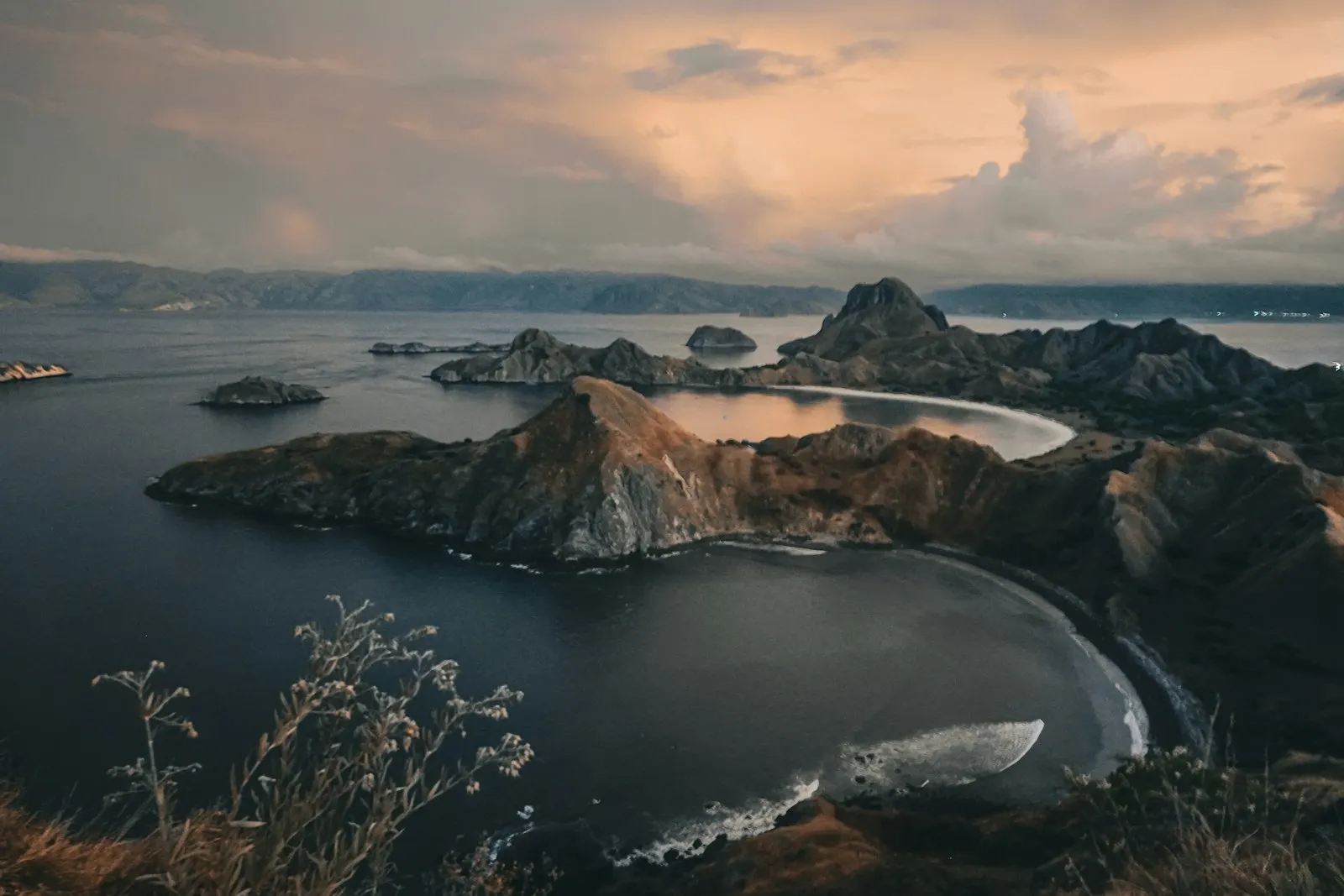
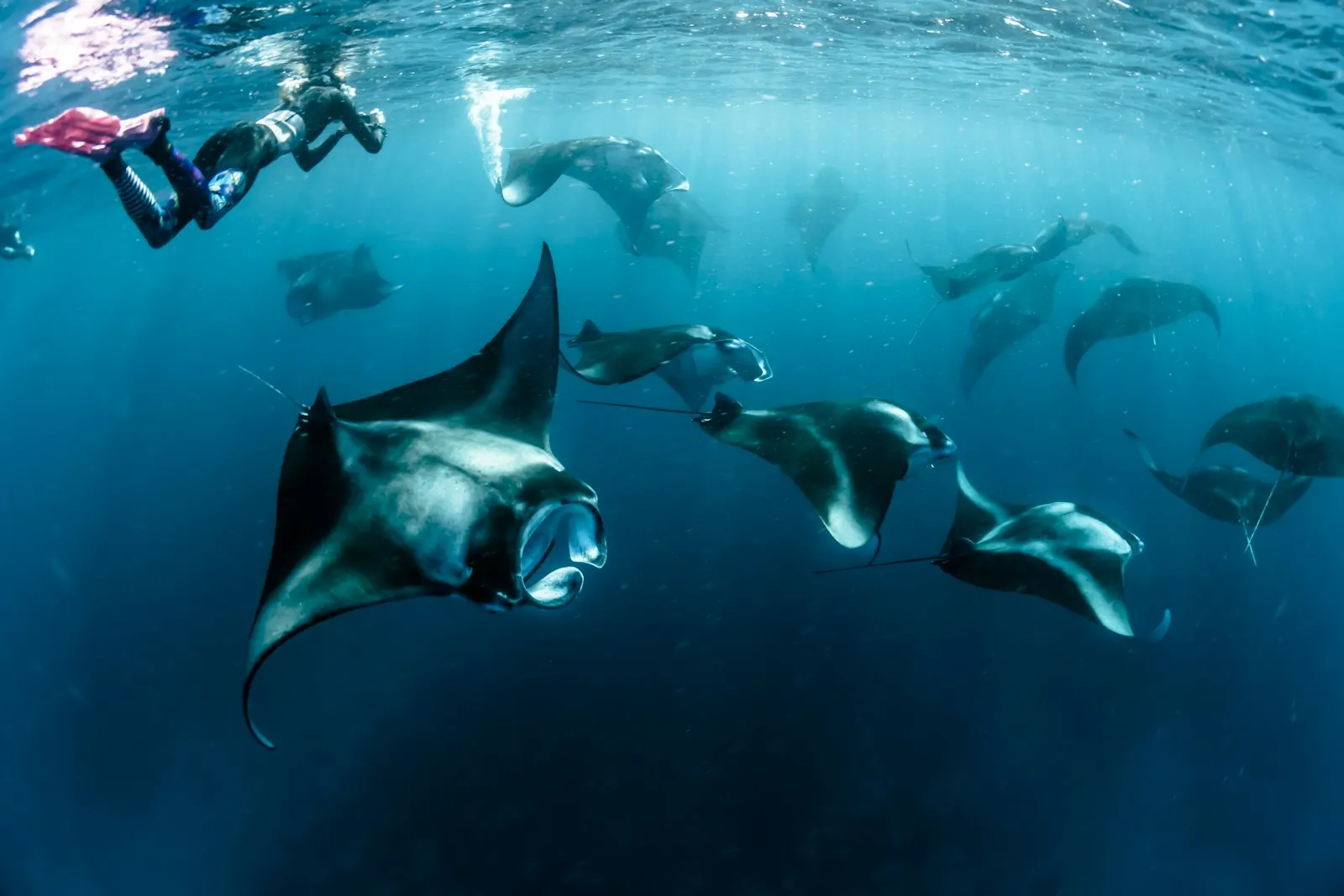
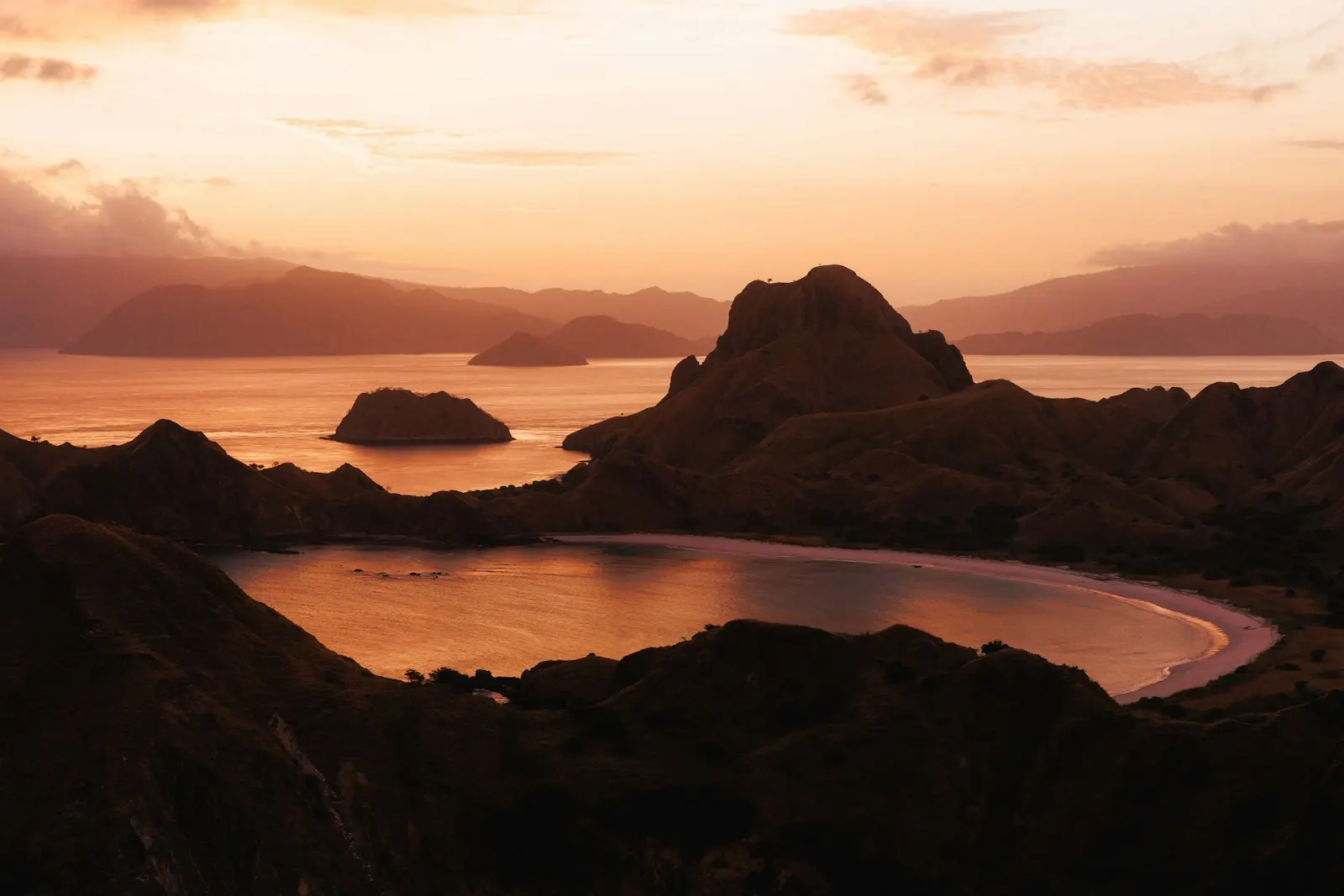
Komodo National Park, a UNESCO World Heritage Site and Man and Biosphere Reserve, holds immense global significance. Established in 1980, its primary purpose is the protection of the Komodo dragon, an endangered species found nowhere else on Earth. Beyond the dragons, the park encompasses diverse terrestrial and marine habitats, home to a rich variety of flora and fauna, including vibrant coral reefs, manta rays, and numerous bird species.

The sheer uniqueness and delicate balance of this ecosystem necessitate strict Komodo National Park rules. Without them, the very qualities that draw visitors from across the globe would be irrevocably compromised. These regulations serve as a framework, balancing the imperative of conservation with the opportunity for respectful, educational tourism. They are a pact between the park authority and every visitor, ensuring the long-term health of this irreplaceable natural treasure.

Understanding the Visitor Quota and Booking Your Visit

The landscape of Komodo National Park access has evolved significantly to better manage visitor impact and preserve its delicate environment. A central pillar of these efforts is the daily visitor quota, designed to prevent overcrowding and reduce stress on key sites and wildlife.

Komodo National Park Visitor Cap: 1000 Per Day

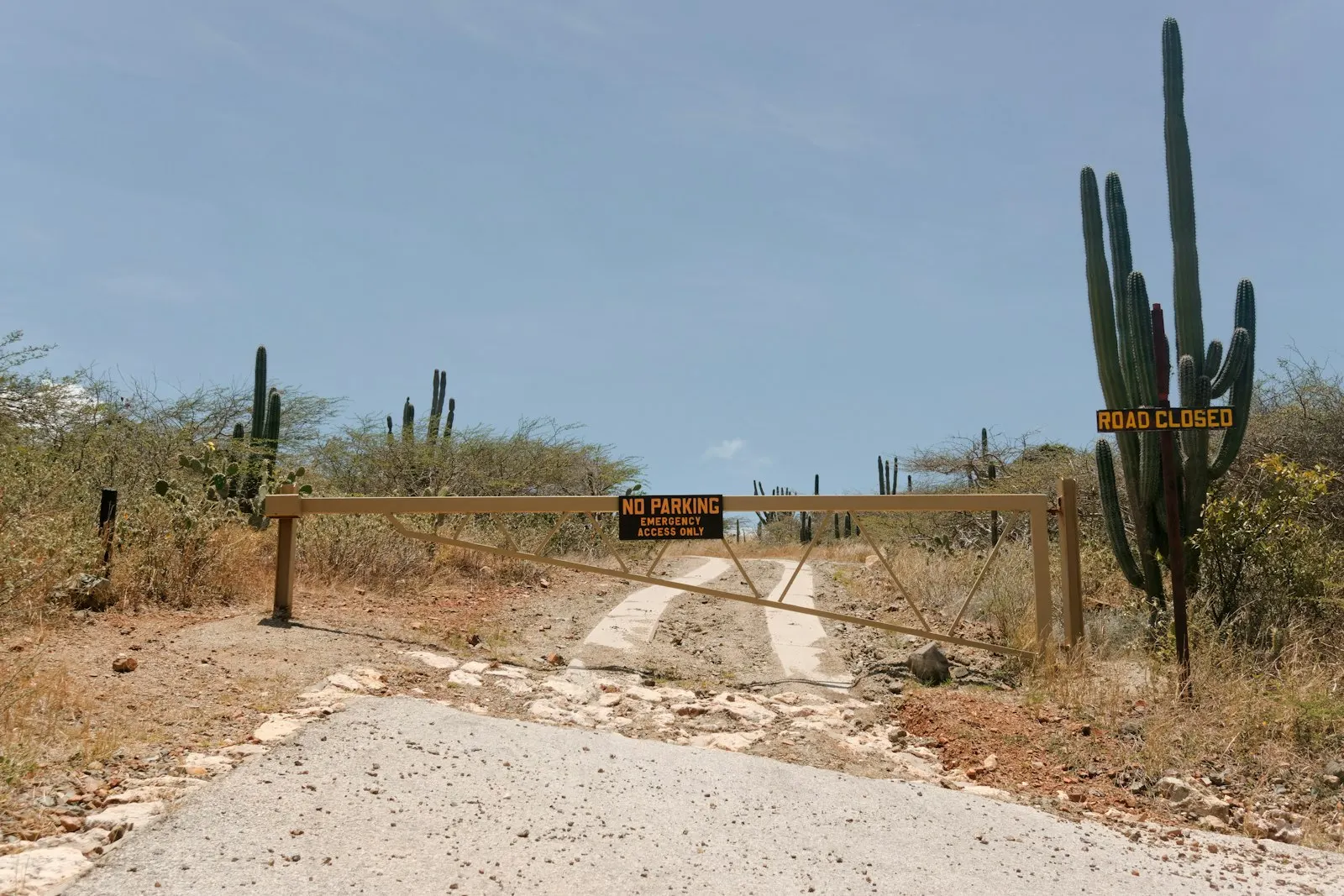
Starting in 2026, and continuing with the Komodo National Park visitor cap 1000 per day 2027, strict limits are being enforced on the number of people allowed into the park each day. Specifically, the Komodo National Park 1000 visitors per day quota 2026 aims to distribute visitor flow more sustainably, ensuring a higher quality experience for those who do enter while minimizing ecological footprint. This cap is a direct response to increasing visitor numbers and the urgent need for enhanced conservation measures.
Do I Need to Pre-Book Komodo National Park Tickets 2026?

Absolutely. With the implementation of the strict daily quota, the answer to “do I need to pre-book Komodo National Park tickets 2026?” is a resounding yes. Spontaneous visits, particularly during peak seasons, are increasingly difficult, if not impossible. Pre-booking is now essential to secure your entry.

How to Reserve Komodo National Park Quota: The SiOra System

The official mechanism for managing this quota and reserving your spot is the SiOra (Sistem Informasi dan Otomatisasi Perjalanan Wisata) booking system. This online platform is mandated by the park authority for all visitor registrations and quota allocations. Understanding how to reserve Komodo National Park quota via the SiOra system is crucial for planning your trip.

Operators, like our trusted partner Komodo Luxury, are trained in navigating the SiOra system on behalf of their guests. They manage the technicalities of submitting visitor details, securing permits, and ensuring your booking aligns with the available daily quota. This structured approach, part of the broader Labuan Bajo Komodo National Park new regulations 2026, ensures that every visitor has a confirmed reservation before arriving, streamlining entry and upholding the park’s conservation goals.

Here’s a comparison of booking approaches:

Pre-Booked via SiOra (Recommended)
  • Certainty: Guaranteed entry on your chosen date, subject to quota availability.
  • Efficiency: Smoother entry process at park checkpoints.
  • Planning: Allows for seamless integration with your tour itinerary and accommodation.
  • Compliance: Meets new regulatory requirements.
Attempting Walk-In (Not Recommended)
  • Uncertainty: High risk of being denied entry if the daily quota is met.
  • Delays: Potential for long waits at entry points.
  • Logistics: Complicates tour planning and can lead to wasted time and resources.
  • Non-Compliance: May not align with the park’s current booking protocols.

On-Island Regulations: Protecting Wildlife and Ensuring Safety

Once inside Komodo National Park, a specific set of rules governs your conduct. These are designed for your safety, the protection of the unique wildlife, and the preservation of the natural environment. Adhering to these regulations is paramount for a responsible visit.

Mandatory Ranger Escort

Visiting any island where Komodo dragons reside, such as Komodo Island or Rinca Island, mandates the accompaniment of a certified park ranger. This is not optional. Rangers are highly trained professionals who understand dragon behavior, local terrain, and emergency protocols. They carry forked sticks, a traditional tool for defense, and their presence is crucial for ensuring visitor safety and preventing any accidental disturbance to the dragons. Listen carefully to your ranger’s instructions at all times.

Wildlife Interaction: Distance and Respect

This is perhaps one of the most critical Komodo National Park rules. You must maintain a safe and respectful distance from all wildlife, especially Komodo dragons. The park specifies a minimum distance of 5 meters from a Komodo dragon. These animals are wild, unpredictable, and venomous.

* **No Feeding:** Never, under any circumstances, attempt to feed any animal within the park. This can alter their natural behaviors, make them dependent on humans, and increase the risk of aggressive encounters.
* **No Touching:** Do not touch or attempt to pet any wildlife. This can cause stress to the animals and expose you to potential harm or disease.
* **Keep Quiet:** Minimize noise and sudden movements to avoid startling animals.
* **Stay on Designated Paths:** Follow the trails indicated by your ranger. Venturing off-path can lead to encounters with hidden wildlife or damage sensitive vegetation.
* **Menstruating Women:** If you are menstruating, it is advisable to inform your ranger discreetly. Komodo dragons have an acute sense of smell, and while incidents are rare, rangers may take extra precautions.

No Littering, Especially Plastic

Komodo National Park maintains a strict “pack it in, pack it out” policy. Whatever you bring into the park, you must take out. This applies especially to plastic and other non-biodegradable waste. The park’s remote location and marine environment make waste management a significant challenge.

* **Bring Reusables:** Opt for reusable water bottles, coffee cups, and shopping bags.
* **Avoid Single-Use Plastics:** Minimize bringing plastic packaging, straws, or plastic bags into the park.
* **Dispose Responsibly:** If you must bring waste, ensure it is properly contained and disposed of in designated bins once you are outside the park, ideally in Labuan Bajo.

Anchoring and Marine Etiquette

For those exploring the park’s spectacular marine environments, specific rules apply to protect the coral reefs and underwater ecosystems.

* **Designated Mooring Buoys:** Boats must use designated mooring buoys where available.
* **No Anchoring on Coral:** Anchoring directly onto coral reefs is strictly prohibited as it causes irreparable damage. Responsible operators are equipped with proper anchoring techniques or use mooring lines.
* **Respect Marine Life:** When snorkeling or diving, avoid touching coral, fish, or other marine creatures. Maintain buoyancy to prevent accidental contact.

Drone Usage: A Permit is Essential

The use of drones within Komodo National Park is heavily restricted and requires a special permit from the KNP authority. Due to concerns about disturbing wildlife, particularly nesting birds and resting dragons, and ensuring visitor privacy, general drone use is not permitted. If you intend to fly a drone for professional purposes, you must apply for the necessary permits well in advance and adhere to all specified conditions. Most recreational visitors will find drone usage impractical or prohibited.

Respecting Local Culture and Environment

Beyond wildlife, the park is also home to local communities. Visitors should show respect for their culture and environment.

* **Dress Modestly:** Especially when visiting local villages or public areas.
* **No Collecting Souvenirs:** Do not collect shells, coral, sand, or any natural items from the park. These are integral to the ecosystem.
* **Fire Safety:** Open fires and smoking are generally restricted, particularly in dry areas, due to fire hazard.
* **No Pets:** Pets are not allowed into the national park to prevent the introduction of foreign diseases or disturbance to native wildlife.

Navigating Komodo National Park Fees and Levies

Visiting Komodo National Park involves several fees and levies, all of which contribute to the park’s conservation efforts, operational costs, and local community development. Understanding these charges, last verified June 2026, is essential for budgeting your trip. Note that prices are often presented as ranges and can vary slightly depending on the specific entry point, time of visit (weekday vs. weekend/holiday), and duration.

Key Fees and Their Purpose:

Komodo National Park Entrance Fee
This is a per-person, per-day fee to enter the park. It covers general access and park maintenance.

  • Weekdays: IDR 150,000 – 250,000 per person
  • Weekends/Public Holidays: IDR 225,000 – 375,000 per person
Ranger Fee
Mandatory for groups visiting islands with Komodo dragons (e.g., Komodo Island, Rinca Island). This fee covers the cost of your professional ranger escort.

  • Per group (up to 5 people): IDR 80,000 – 120,000
Conservation Levy (New Regulation)
A significant new levy introduced to bolster long-term conservation funding and support local communities. This fee can be substantial and may be structured to cover multiple days or specific premium zones within the park. It reflects the park’s commitment to high-value, low-impact tourism.

  • Per person: IDR 500,000 – 1,000,000 (validity may vary, e.g., for multiple days or specific zones)
Activity Fees
Additional fees apply for specific activities within the park.

  • Snorkeling/Diving Fee: IDR 50,000 – 100,000 per person
  • Trekking Fee (for specific trails, if not covered by entrance): IDR 5,000 – 10,000 per person
Local Government Levy (Labuan Bajo)
A small levy collected by the local government in Labuan Bajo, contributing to local infrastructure and services.

  • Per person: IDR 25,000 – 50,000

It’s important to note that these fees are subject to change by the park authorities and local government. When booking a trip through an operator, these fees are typically bundled into your package price, making the process simpler. Always clarify with your operator exactly which fees are included in your booking.

Planning Your Responsible Visit: Logistics and Best Practices

A well-planned trip is a responsible trip, especially when visiting a place as ecologically sensitive as Komodo National Park. With the new regulations and visitor cap firmly in place, thoughtful preparation is more important than ever.

Plan Ahead and Book Early

Given the Komodo National Park 1000 visitors per day quota 2026, securing your entry through the SiOra system is non-negotiable. This means planning your itinerary and booking your tour well in advance, particularly if you are traveling during peak season (typically May to October). Reputable operators will manage the SiOra booking process for you, ensuring your access to the park.

Choose a Reputable Operator

Your choice of tour operator significantly impacts your experience and adherence to park rules. A responsible operator will be knowledgeable about all Komodo National Park rules, employ experienced guides and rangers, prioritize safety, and practice sustainable tourism. They should handle all necessary permits and fees transparently. Our independent platform helps you navigate these choices, and if you proceed with our partner Komodo Luxury, they may pay us a referral fee at no extra cost to you. Please know no one can pay to change what we publish; our priority is providing you with accurate, trustworthy information.

What to Pack: Essential Items for a Responsible Visitor

* **Reusable Water Bottle:** Crucial for staying hydrated and avoiding single-use plastics.
* **Sun Protection:** Hat, sunglasses, reef-safe sunscreen (chemical sunscreens can harm coral).
* **Comfortable Footwear:** Sturdy walking shoes or hiking sandals for trekking on uneven terrain.
* **Lightweight, Quick-Drying Clothing:** Suitable for tropical climates. Modest attire for village visits.
* **Swimsuit and Towel:** For enjoying the beautiful beaches and snorkeling spots.
* **Basic First-Aid Kit:** For minor scrapes or ailments.
* **Camera:** To capture memories (but remember drone restrictions).
* **Small Backpack:** To carry your essentials for daily excursions.

Health and Safety Considerations

* **Inform Your Guide:** If you have any medical conditions, allergies, or are pregnant, inform your tour guide or ranger. They can advise on suitable activities or necessary precautions.
* **Stay Hydrated:** The tropical climate can be very warm; drink plenty of water.
* **Listen to Instructions:** Always follow the directions of your ranger and boat crew, especially regarding safety briefings and wildlife encounters.
* **Emergency Contact:** Ensure someone knows your itinerary and how to contact you or your tour operator.

Ready to experience this incredible destination responsibly? Our independent guide and planning resources can help you navigate your options. For personalized assistance with your itinerary, plan your trip with us, or reach out via WhatsApp for tailored advice.

Frequently Asked Questions about Komodo National Park Rules

What is the main reason for the new Komodo National Park rules and quota?

The new Komodo National Park rules, including the 1000 visitors per day quota, are primarily implemented for conservation purposes. They aim to reduce environmental impact, protect the Komodo dragon and its habitat, and ensure the long-term sustainability of the park’s fragile ecosystems in the face of increasing tourism. They also seek to enhance the visitor experience by preventing overcrowding.

Can I visit Komodo National Park without pre-booking?

No, it is strongly advised against. With the strict daily visitor quota managed by the SiOra system, pre-booking your Komodo National Park tickets is now essential. Attempting to visit without a prior reservation through an accredited operator and the SiOra system will likely result in denied entry, especially during peak travel periods.

Are there different rules for different areas within Komodo National Park?

Yes, while general park rules apply everywhere, specific regulations may vary for different zones. For example, islands with Komodo dragons (Komodo, Rinca) have mandatory ranger escorts and strict wildlife interaction rules. Marine protected areas have specific guidelines for diving and snorkeling. Always follow your guide’s instructions, as they are knowledgeable about the specific rules for each location you visit.

How do the fees contribute to Komodo National Park’s conservation?

The various fees, including the KNP entrance fee, ranger fee, and especially the new conservation levy, are vital for funding the park’s operational costs. These funds support ranger salaries, anti-poaching efforts, habitat restoration projects, waste management, research, and community development initiatives within and around the park. Your fees directly contribute to the preservation of this unique ecosystem.

What happens if I break one of the Komodo National Park rules?

Breaking Komodo National Park rules can lead to serious consequences, ranging from fines to expulsion from the park, and in severe cases, legal action. This includes disturbing wildlife, littering, or failing to follow ranger instructions. The park authority is committed to upholding these regulations to protect its natural heritage, and all visitors are expected to comply fully.

For comprehensive planning and to ensure your visit aligns with all Komodo National Park rules, we encourage you to plan your trip with us. Our team can help you navigate the booking process and provide up-to-date information, or you can contact us via WhatsApp for direct support.

Plan My Komodo Trip
WhatsAppPlan Trip