Are komodo dragons dangerous? Yes — they are powerful wild predators capable of injuring or killing people if basic rules are ignored. With rangers, distance and common sense, visiting Komodo National Park is usually very safe.
How dangerous are Komodo dragons, really?
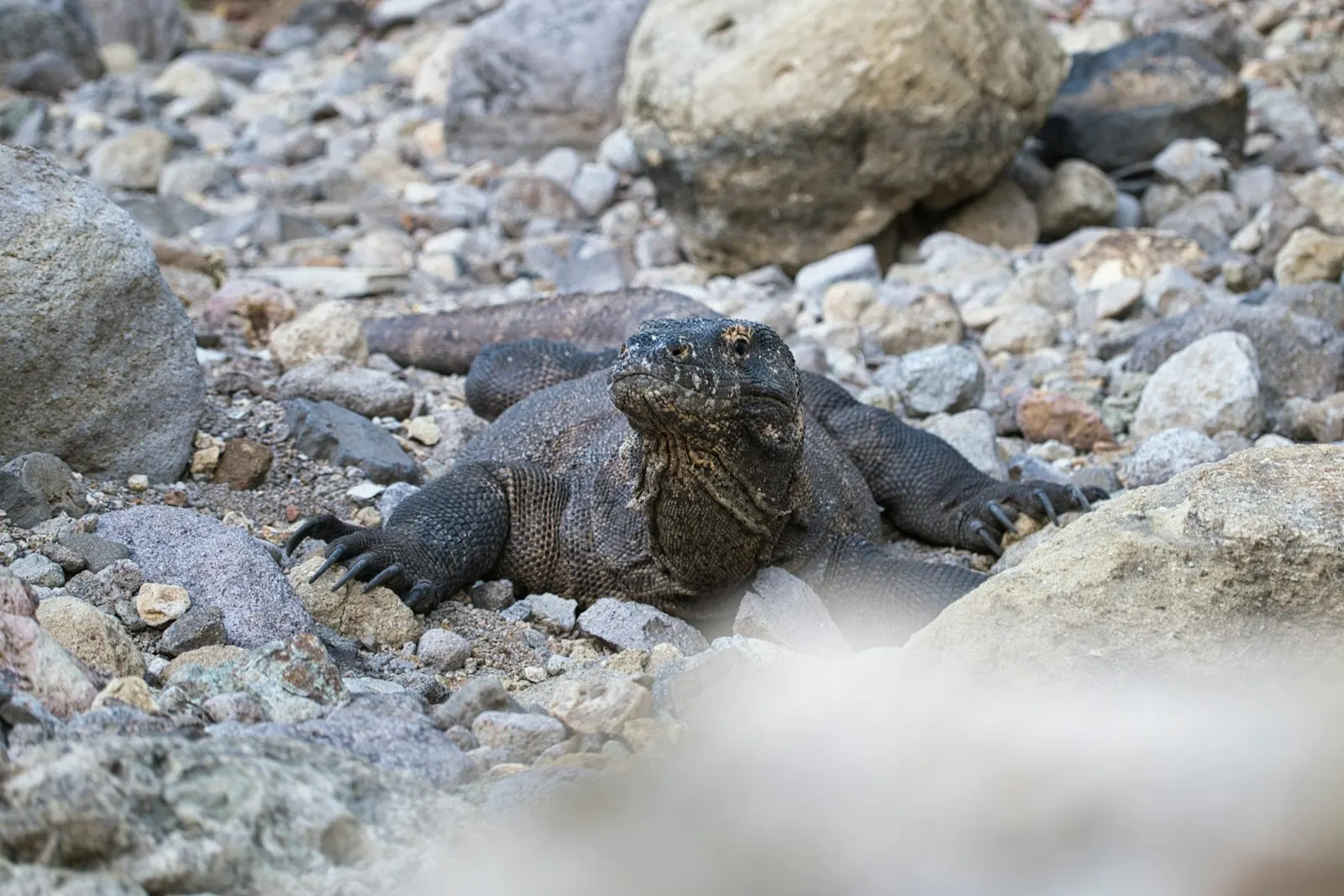
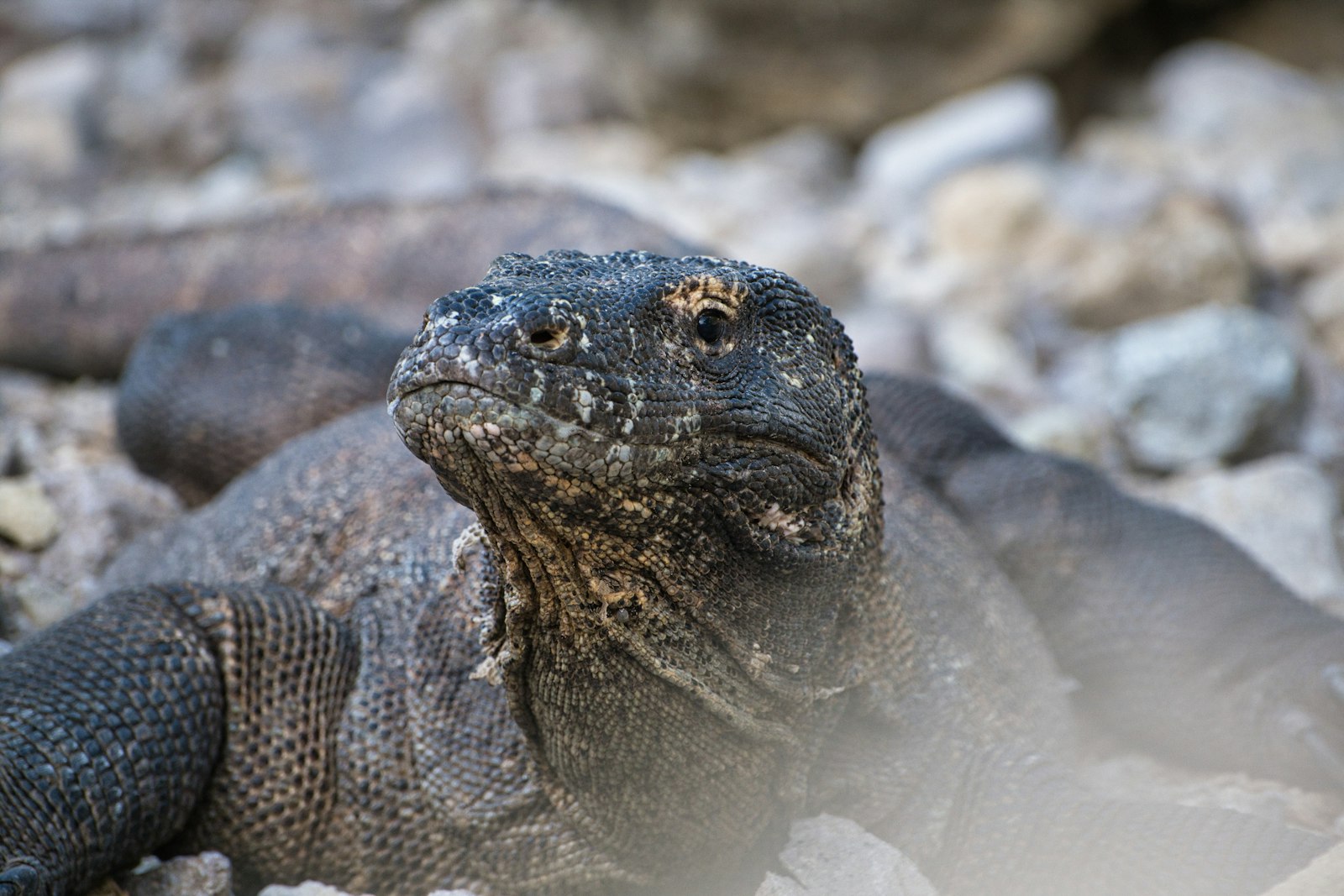
Komodo dragons (Varanus komodoensis) are the world’s largest lizards. Adult males can exceed 2.5 meters in length and weigh over 70 kg. They are carnivores with a strong bite, sharp teeth and claws, and they will defend territory, food and themselves.
That said, the risk for visitors who follow ranger instructions inside Komodo National Park is low compared with many everyday travel risks. Serious incidents are rare, especially on guided walks on Komodo and Rinca.
Here’s the practical reality:
- You are visiting the dragons on their home ground. They are not tame, not trained, and not a “zoo attraction.”
- They can move faster than most people expect over short distances (often compared to a quick sprint from a standing start).
- Most risky situations come from people breaking rules: getting too close, separating from the group, or trying to provoke a reaction for photos or video.
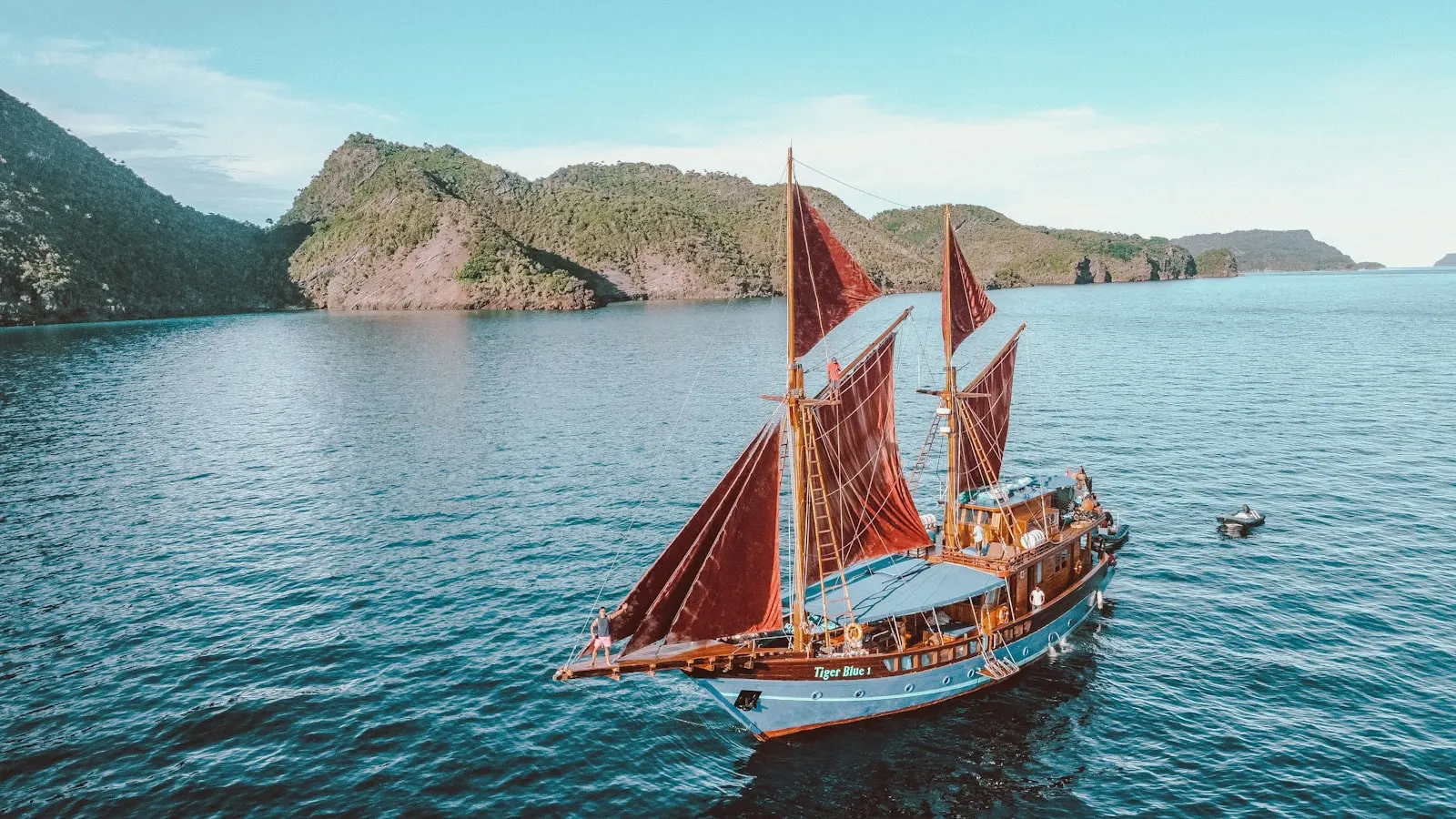
- With official guides and rangers, walking on designated trails and maintaining distance, thousands of visitors complete Labuan Bajo island hopping Padar Rinca Kelor trips safely every month.
Think of Komodo dragon safety the way you’d treat strong ocean currents or a steep mountain trail: respect the risk, and follow the system that exists to keep you safe.
Where you’ll actually see Komodo dragons
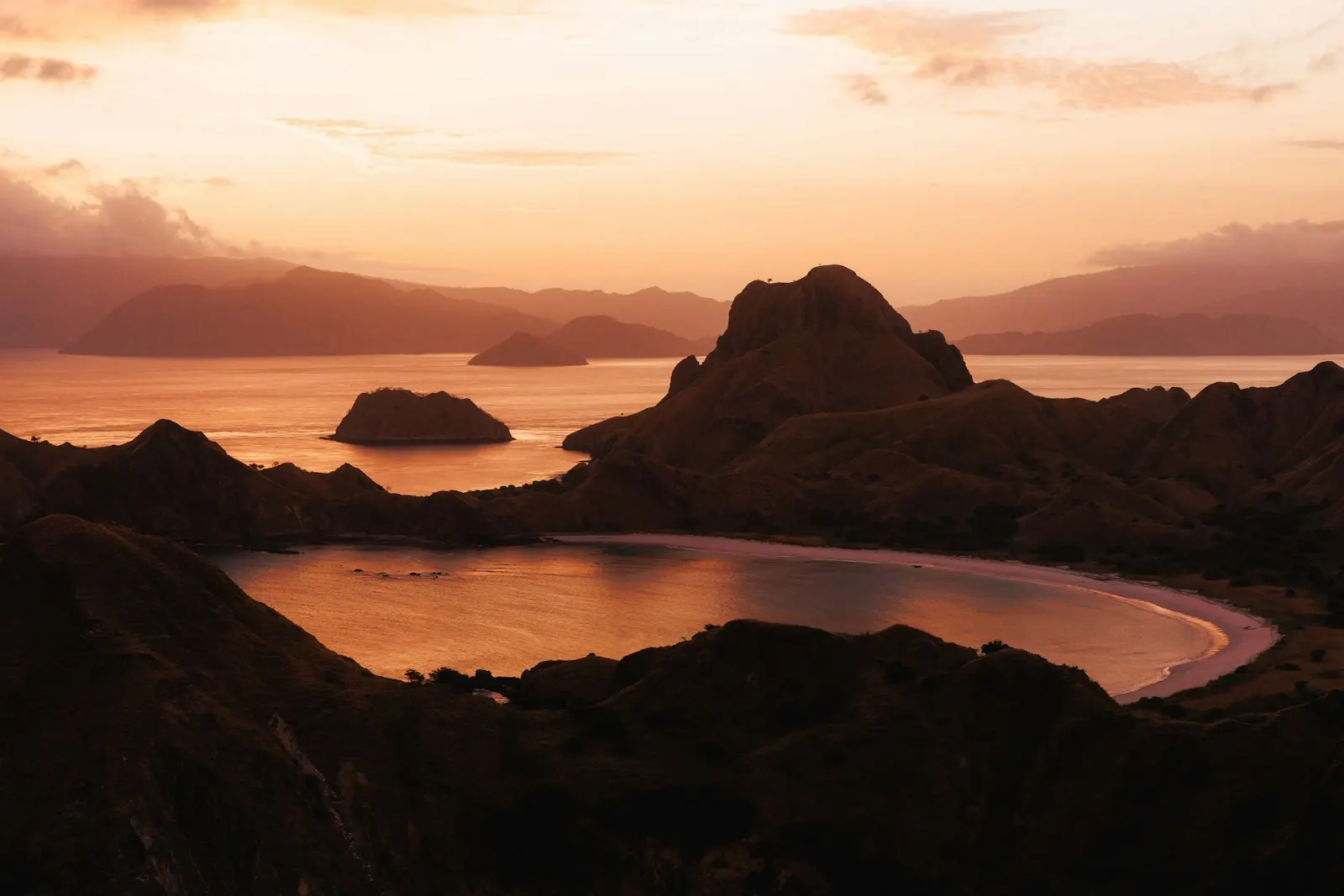
You are most likely to see dragons at two main islands inside Komodo National Park: Komodo and Rinca. Some visitors also glimpse them on Padar’s beaches or smaller islands, but sightings there are less predictable.
Komodo Island
Komodo Island is the namesake of the park and home to one of the largest dragon populations. The main village and ranger station have several marked trekking routes, from short walks to half-day hikes, where you may see:
- Adult dragons around water holes or shaded forest
- Younger dragons in trees or underbrush
- Dragon tracks, resting spots and nesting mounds
Walking here is always done with licensed rangers. You’ll get a safety briefing at the start, then follow a set trail depending on your fitness, heat, and time.
Rinca Island
Rinca is often included in the best Komodo National Park itinerary 2 days from Labuan Bajo because:
- Dragon encounters near the ranger post can be more frequent
- The landscape is more open savanna, so spotting them from trails is often easier
- Hikes can be shorter, which suits families or visitors who do not want a long trek in the heat
If you are anxious about “are Komodo dragons dangerous up close?” Rinca is a good first stop. The ranger area is designed to manage both visitor flow and dragon presence, and trails are clear and well-used.
Other locations: beaches and boats
On some trips you may see dragons:
- Walking along a beach during island hopping
- Occasionally in fishing villages
- From your liveaboard as they move along the shoreline
In these situations, the same rule applies: do not approach, do not try to feed, and always stay closer to your guide than to the dragon.
Komodo dragon behavior that matters for your safety
You don’t need to be a biologist, but understanding a few basics will help you move more confidently and calmly.
They are ambush predators
Dragons can appear slow and lazy in the heat, but this is deceptive. They conserve energy, then use quick bursts of speed to attack prey. For visitors, this means:
- Never walk close to dense bushes or tall grass without your ranger in front.
- Don’t stand with your back to the forest or a hole for long periods to take photos.
- Respect the distance your guide sets; they have seen what a “sudden move” looks like.
They have poor social boundaries
Komodo dragons do not read human body language the way dogs or cats do. They may:
- Approach out of curiosity, especially if they smell food
- Stand their ground instead of moving away
- Show sudden interest in bags or noisy plastic
None of this automatically equals “attack,” but it can change quickly if:
- People corner them or block escape paths
- Someone kneels too close or bends directly over them
- Food is involved (picnics, dropped snacks, fish from fishermen)
They use their tongue constantly
Dragons “taste” the air with a forked tongue to detect scent particles. Fast, repeated tongue flicking in your direction means they are assessing what you are. Your ranger may reposition the group if a dragon’s curiosity becomes too focused.
They are strongest at close range
The real danger zone is a few meters around the animal. Once you’re outside that, your guide has time to react and direct you. This is why drone photography from a safe distance is allowed only under current park guidelines, while kneeling 1–2 meters in front of a dragon for social media is strictly not.
Essential Komodo dragon safety rules
The core system that keeps visitors safe is simple. Rangers repeat it at every briefing for a reason.
Always visit with official rangers or licensed guides
Independent trekking on Komodo and Rinca is not allowed. Your guide or ranger will:
- Choose routes based on current dragon activity and heat
- Read subtle behavior changes before visitors notice them
- Carry basic equipment to deter a dragon if needed
- Coordinate with the ranger post if conditions change (for example, a nest area with aggressive females)
If you book Komodo National Park tour Labuan Bajo online through a reputable operator, guided walks with rangers are normally built into the itinerary and ticket handling.
Keep a safe distance
Each ranger has a preferred minimum distance; many will ask you to stay at least several meters away, more if the dragon is moving or young children are present. Follow their instructions, even if other groups are standing closer. You are responsible for your own body space.
A few firm rules:
- Do not try to touch or “high-five” a Komodo dragon.
- Do not sit on the ground within close range.
- Do not surround a dragon for a 360° photo or video.
- Move as a group when the ranger tells you to shift position.
Stay in a tight group
On trails, your guide will normally place:
- One ranger at the front, sometimes another at the back
- Guests in the middle, walking at a pace that keeps everyone together
Do not:
- Wander ahead to “get a better picture.”
- Leave the path to explore a side track alone.
- Walk back to the boat area or toilets without telling your guide.
This is especially important during Labuan Bajo island hopping Padar Rinca Kelor programs, where multiple groups may share the same starting point; you do not want to accidentally join a different group mid-trail.
Never bring food on walks
Komodo dragons and other wildlife have an excellent sense of smell. To reduce risk:
- Do not carry snacks in your pockets or backpack onto the trail.
- Do not eat in front of dragons, even near the ranger station.
- Keep trash sealed inside your day bag until you can dispose of it properly.
On a Taka Makassar private boat charter from Labuan Bajo or other boat trips, eat on board, not on the dragon islands.
Special guidance for menstruating visitors
Rangers will usually ask if any visitors are currently menstruating. This is not prying; it is a safety protocol. Dragons are highly sensitive to the smell of blood, and rangers may:
- Recommend a shorter, easier trail
- Ask you to stay slightly further from any dragons encountered
- In very rare cases, suggest skipping the hike if conditions make it hard to manage distance safely
If this applies to you, tell your guide discreetly before the trek starts. They handle this conversation regularly and are focused on your safety, not embarrassment.
Watch your footing, not just the dragons
Most trails are dirt, rock and sometimes exposed tree roots. You will also be dealing with tropical heat. Many minor injuries in the park come from:
- Trips and slips on trails while staring through a camera viewfinder
- Dehydration and dizziness in midday sun
- Sunburn from underestimated UV exposure
Wear closed shoes with grip, a hat, and bring water. Your Komodo National Park conservation fee and rules are designed to protect both wildlife and visitors; respecting simple gear recommendations is part of that.
Follow all photography rules
Photography is allowed on trails and at viewpoints, but:
- No flash directly in a dragon’s face.
- No drones without explicit park and operator permission, and never at low altitude over animals or people.
- No lying on the ground for a “close low angle” near dragons.
If your guide says “that’s close enough,” stop there, even if another group seems closer. Safety is not a competitive sport.
What to do if a Komodo dragon approaches you
Your ranger will usually be between you and the dragon, but it helps to know the basic protocol.
Stay calm and listen for clear instructions
Guides are trained to give short, simple commands in these situations, such as:
- “Back, back, back.” – Walk backwards slowly behind them.
- “Group here.” – Move to a tighter cluster so you’re easier to protect.
- “Stop.” – Stay still and avoid sudden movements or loud noises.
Do not run unless explicitly told. Running triggers chase behavior in many predators, and you also risk tripping.
Do not drop bags or throw objects at the animal
Instinct may tell you to drop your bag and move faster. This can backfire if the dragon interprets the item as food, or if you trip while trying to shed it. Follow your guide’s lead; they may reposition you without any need for panic or theatrics.
If you feel unsafe, speak up early
If your anxiety is high, tell your guide before you even start the walk. They can:
- Place you closer to the front near the ranger
- Suggest the shortest trail options, particularly on Rinca
- Position you in safer photo spots with more buffer distance
You never have to stand closer than you are comfortable with just to “keep up” with the group.
Safety on boats and beaches around Komodo
Komodo dragons are only one part of the risk profile in the park. Boats, currents and heat also matter.
Boat safety basics
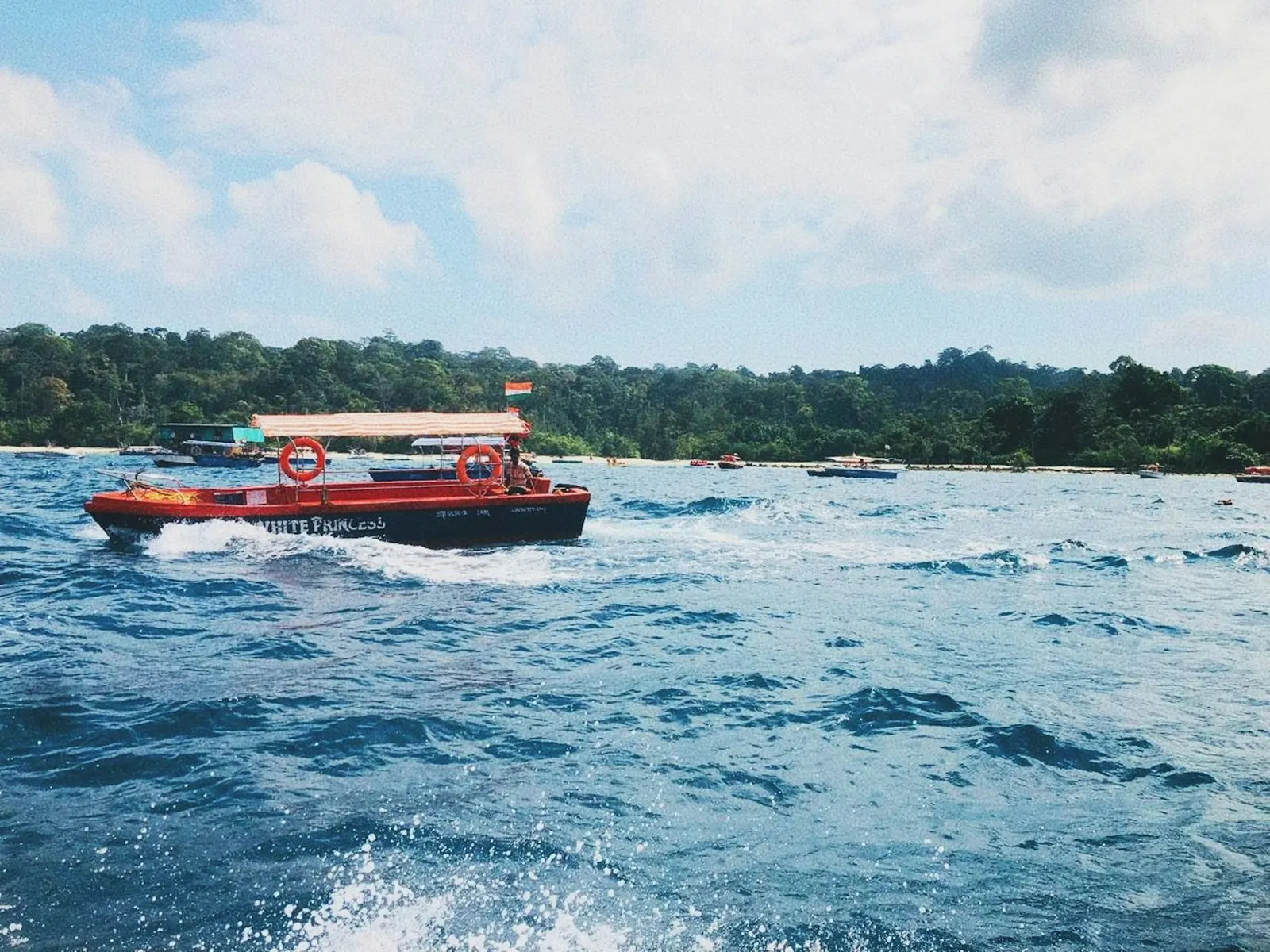
Whether you choose a day boat or a liveaboard Komodo Padar Manta Point booking, verify that your operator provides:
- Life jackets in correct sizes for all passengers
- A safety briefing in English or a language you understand
- Clear instructions on where to store valuables and footwear
- Respect for park navigation rules and mooring areas
Avoid jumping off the boat at unapproved spots, especially near strong currents like some areas around Manta Point and Siaba. Always wait for your guide’s assessment of the conditions.
On beaches and sandbars
Popular stops like Taka Makassar sandbar or Pink Beach feel relaxed, but you’re still inside a protected marine area:
- Listen carefully to timing — sandbars can shrink quickly on a rising tide.
- Do not leave food on the beach; it attracts wildlife and violates regulations.
- Always keep an eye on where your boat is anchored and where your guide is.
If your Taka Makassar private boat charter from Labuan Bajo feels too crowded at a certain spot, ask your crew about alternative beaches; experienced skippers can often suggest calmer schedules or lesser-used moorings within legal zones.
Understanding the Komodo National Park conservation fee and rules
Every visit involves a mix of national park tickets, conservation contributions and activity-based fees. Structures can evolve, but generally you will pay:
- Park entry and conservation contributions per person
- Additional fees for cameras or drones under current regulations
- Marine tourism and trekking fees depending on your activities
Latest reliable ranges (last verified June 2026) usually fall into a mid-range cost per person for a typical day of combined island trekking and snorkeling, excluding your boat charter or tour package itself. Your operator or guide should present a clear breakdown before you confirm.
These fees support:
- Ranger salaries and safety training
- Habitat and trail maintenance
- Monitoring of dragon populations and nesting sites
- Waste management and basic visitor facilities
Breaking rules — especially feeding wildlife, littering, or walking outside approved zones — directly undermines those efforts and can trigger fines or removal from the park.
If you want help decoding the current fee structure or aligning it with your dates and group size, you can plan your trip with our team; we’re available on WhatsApp to walk through options before you book anything.
Planning a safe and responsible Komodo itinerary
Your route and timing affect both safety and experience quality.
Choosing between day trips and liveaboards
Here’s a quick comparison of common options starting from Labuan Bajo:
| Option | Typical Duration | Pros for Safety & Comfort | Considerations |
|---|---|---|---|
| Shared day trip | 1 full day | Budget-friendly, clear structure, rangers + guide included | Less flexible timing; more people at each stop |
| Private day trip | 1 full day | Control over pace, easier to manage children/older guests | Higher total cost, especially for small groups |
| 2D1N liveaboard | 2 days / 1 night | Sunrise/sunset timing at sites, avoids some crowds | Sleeping on board requires comfort with basic boat life |
| 3D2N liveaboard | 3 days / 2 nights | Slower pace, more recovery time between treks/snorkels | More exposure to variable weather and sea conditions |
For many visitors, the best Komodo National Park itinerary 2 days from Labuan Bajo balances:
- One sunrise or early-morning trek (often Padar or Rinca)
- One dragon-focused walk with cooler hours and fewer crowds
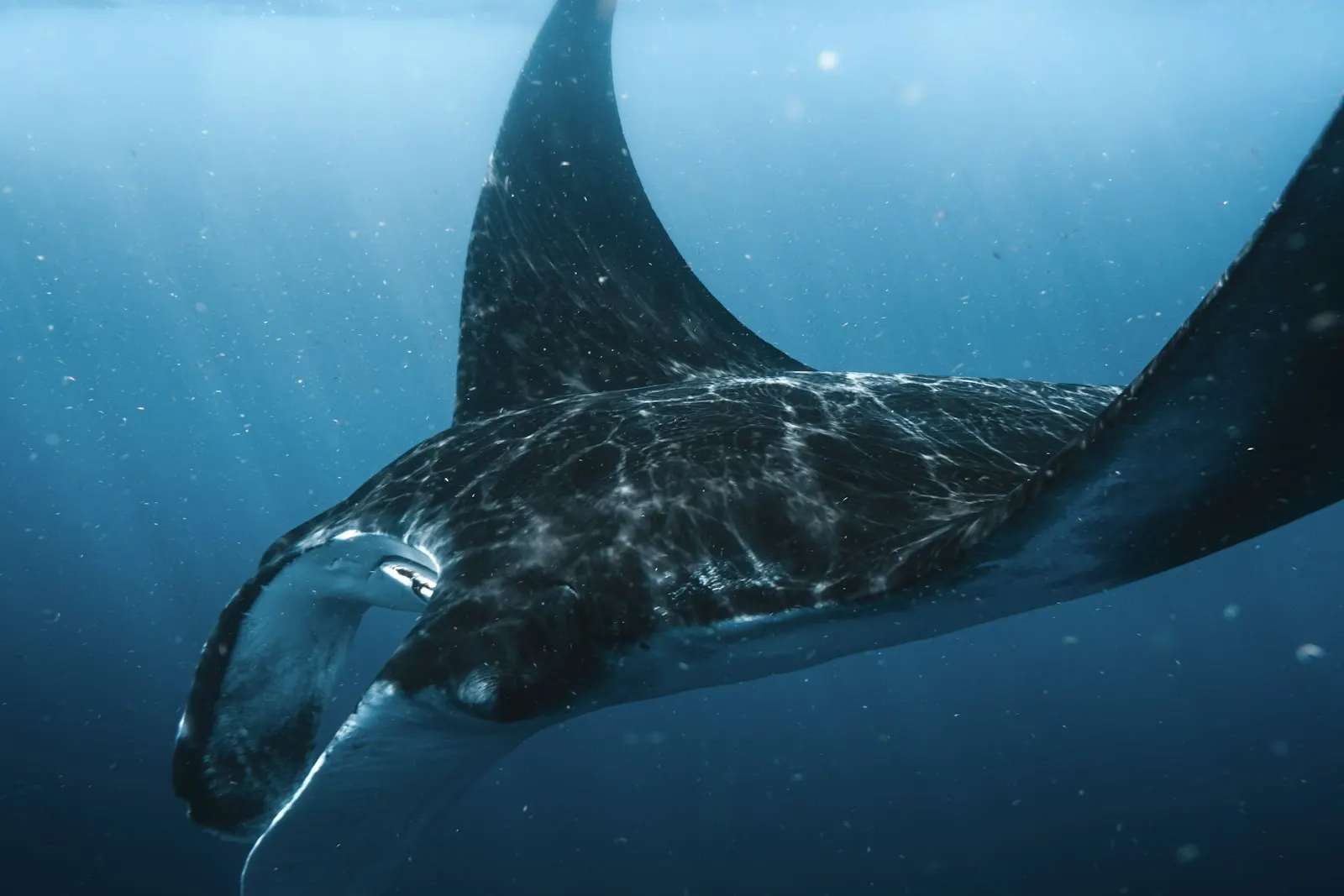
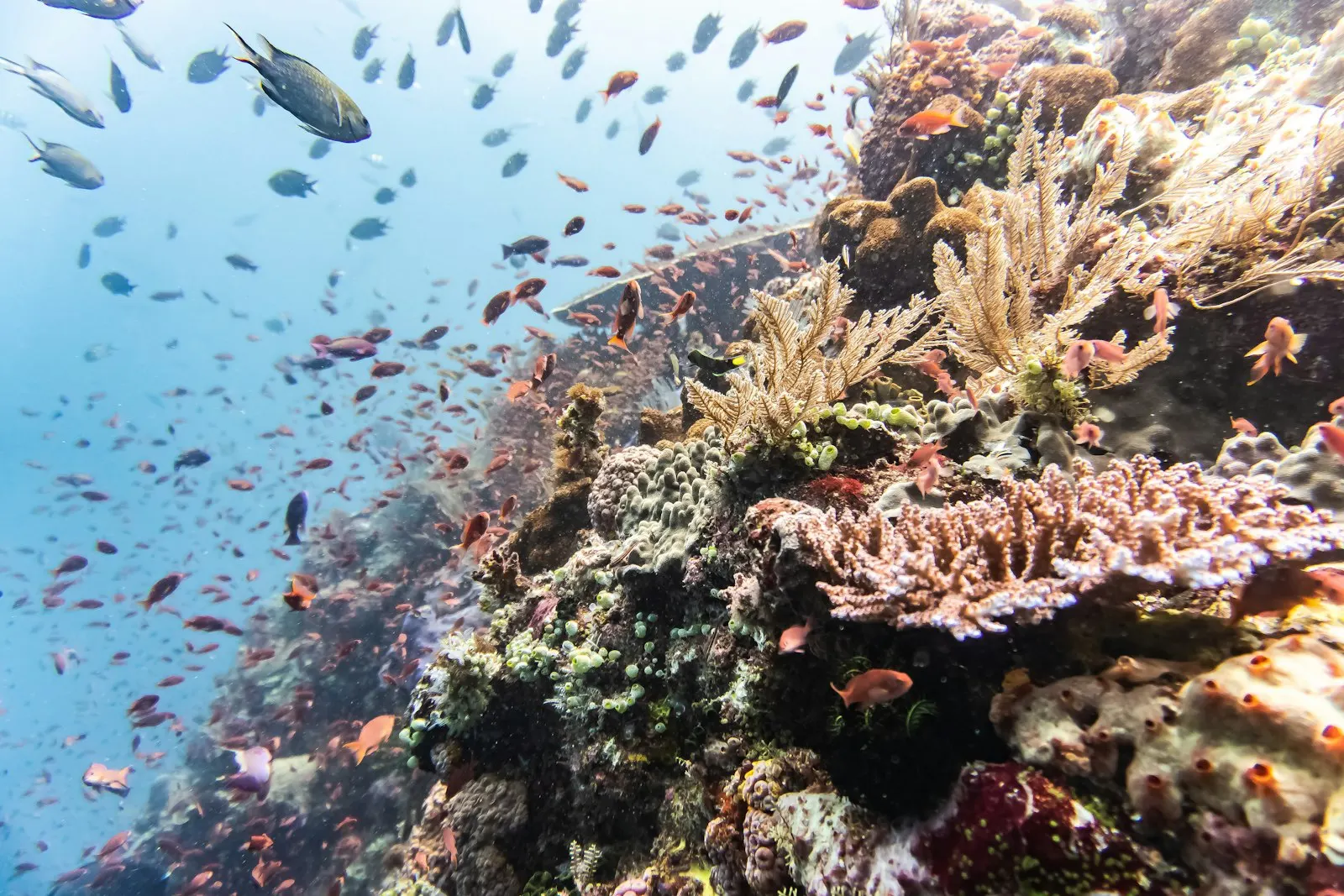
- Several snorkeling spots like Manta Point, Siaba, Kanawa or similar, depending on conditions
Good operators will adjust the sequence to avoid the hottest mid-day hikes, which naturally reduces fatigue-related safety issues.
Booking safely from Labuan Bajo
If you book Komodo National Park tour Labuan Bajo online, pay attention to:
- Clear mention of ranger-led trekking on dragon islands
- Upfront explanation of what is and isn’t included (park fees, snorkeling gear, meals)
- Boat type and capacity, not just “fast boat” or “liveaboard” as labels
- Emergency and rescheduling policies around weather and park regulations
Komodo Ticket works as an independent guide to tickets and trips, with operations handled by Komodo Luxury. Our role is to give you a realistic sense of what to expect and help you match your budget and comfort level to the right format. No one can pay to change what we publish; if you proceed with our partner they may pay us a referral fee at no extra cost to you.
If you already have tentative dates or group size, you can plan your trip with us via WhatsApp and email — we’ll help align boat type, safety comfort and park rules before you lock anything in.
Personal readiness checklist
Before your Komodo dragon encounter, consider:
- Health & mobility
- Can you comfortably walk 2–4 km in heat with some hills? If not, tell your operator; there are shorter routes.
- Footwear
- Closed shoes with grip; sandals are better left for the boat and beaches.
- Clothing
- Light, breathable, but not overly bright or noisy; consider long sleeves for sun protection.
- Hydration
- Carry enough water for each trek segment; don’t rely only on what’s on the boat.
- Comfort with wildlife
- If you’re very nervous around large animals, say so early so your guide can adapt pacing and positioning.
Respect makes it safer — for you and the dragons
The question is not only “are Komodo dragons dangerous?” but also “are we behaving in ways that are dangerous for them?” Getting too close for photos, feeding scraps, littering and leaving designated trails can:
- Alter dragon behavior and make them more aggressive around people
- Damage sensitive nesting and hunting areas
- Increase the chance that future rules will be tighter for everyone
A responsible visit keeps your risk low and helps ensure that future visitors will still have the chance to meet these animals in a landscape that feels wild, not staged.
If you’d like help building an itinerary that respects both your limits and the park’s, start with our plan your trip page — you can message us on WhatsApp for no-obligation planning support before you decide on any specific boat or date.
FAQs: Komodo dragon safety
Can Komodo dragons outrun humans?
Over a short distance, Komodo dragons can move faster than most people expect and potentially outrun a human sprint for a few meters. Safety relies on distance, group management and ranger guidance, not on trying to run. Staying several meters away and following instructions keeps the risk low.
Have tourists been attacked by Komodo dragons?
There have been documented attacks on people over the decades, including occasional incidents involving visitors and local residents. Serious events are rare compared with the number of people who visit each year, and they usually involve broken rules, feeding, or unsupervised encounters. Guided treks with rangers on official trails have a strong safety record.
Is it safe for children to visit Komodo National Park?
Many families visit Komodo and Rinca safely every year. Parents must ensure children stay close to the ranger, do not run, and do not attempt to touch or approach dragons. For younger children, shorter walks on Rinca, plus more time snorkeling and on beaches, can be a better fit than long hot treks.
Can I visit Komodo dragons if I’m menstruating?
Yes, but you should inform your guide or ranger discreetly. Dragons are very sensitive to the smell of blood, so they may adjust distance, route or trail length for safety. Follow their recommendations; they handle this regularly and focus purely on risk management, not judgment.
Do I need special insurance to visit Komodo National Park?
Standard travel insurance that covers boat travel, trekking and medical evacuation is strongly recommended for Komodo trips. Check that your policy is valid for Indonesia, covers adventure-style activities and emergency transport from remote areas. This is important not only for Komodo dragons but also for common travel issues like injuries, illness or weather-related changes.