
Journal
Underwater Photography & Drone Regulations in Raja Ampat
For those planning a trip focused on underwater photography in Raja Ampat, the period from October to April offers exceptional visibility and calm seas. However, drone usage within the Raja Ampat Marine Park is strictly prohibited without specific government permits, a crucial regulation for all visitors to observe.
Capturing the Underwater Majesty of Raja Ampat
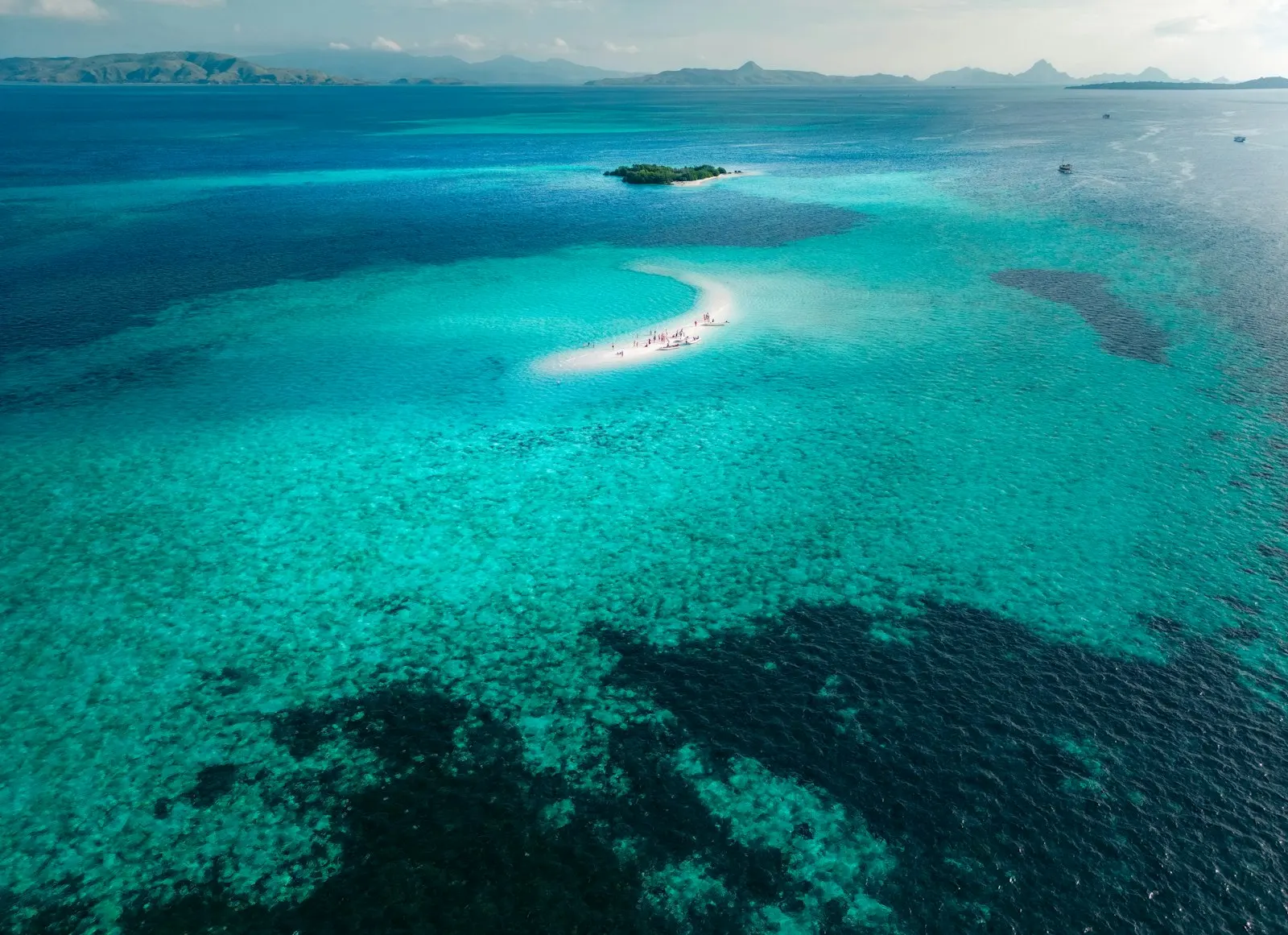
Raja Ampat, an archipelago in West Papua, Indonesia, remains a paramount destination for divers and underwater photographers. The sheer biodiversity and pristine coral reefs present an opportunity to document marine life in its natural habitat. We understand that many of our readers, particularly those considering a Komodo ticket for an Indonesian adventure, are also keen photographers, eager to capture the vibrant underwater scenes.
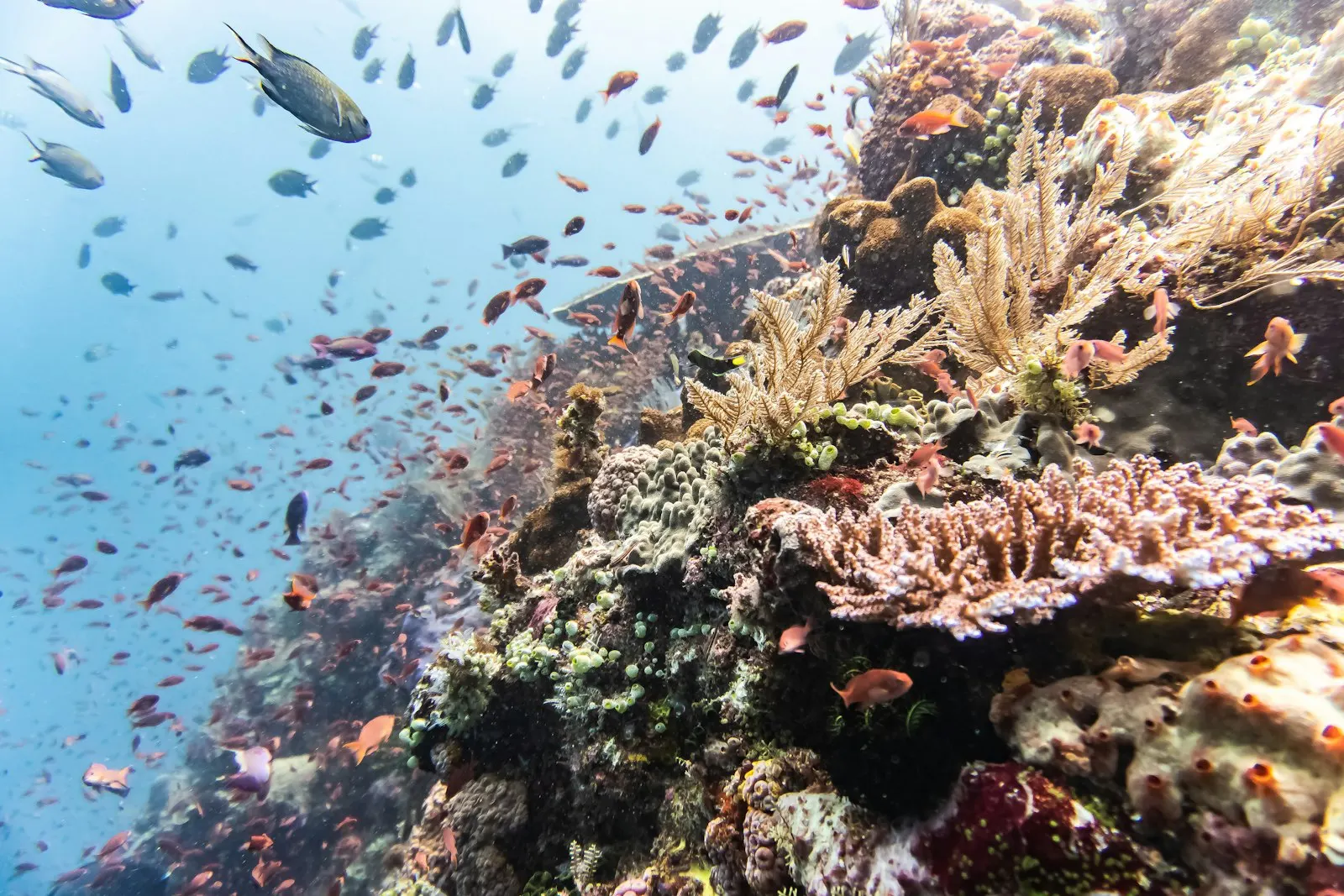
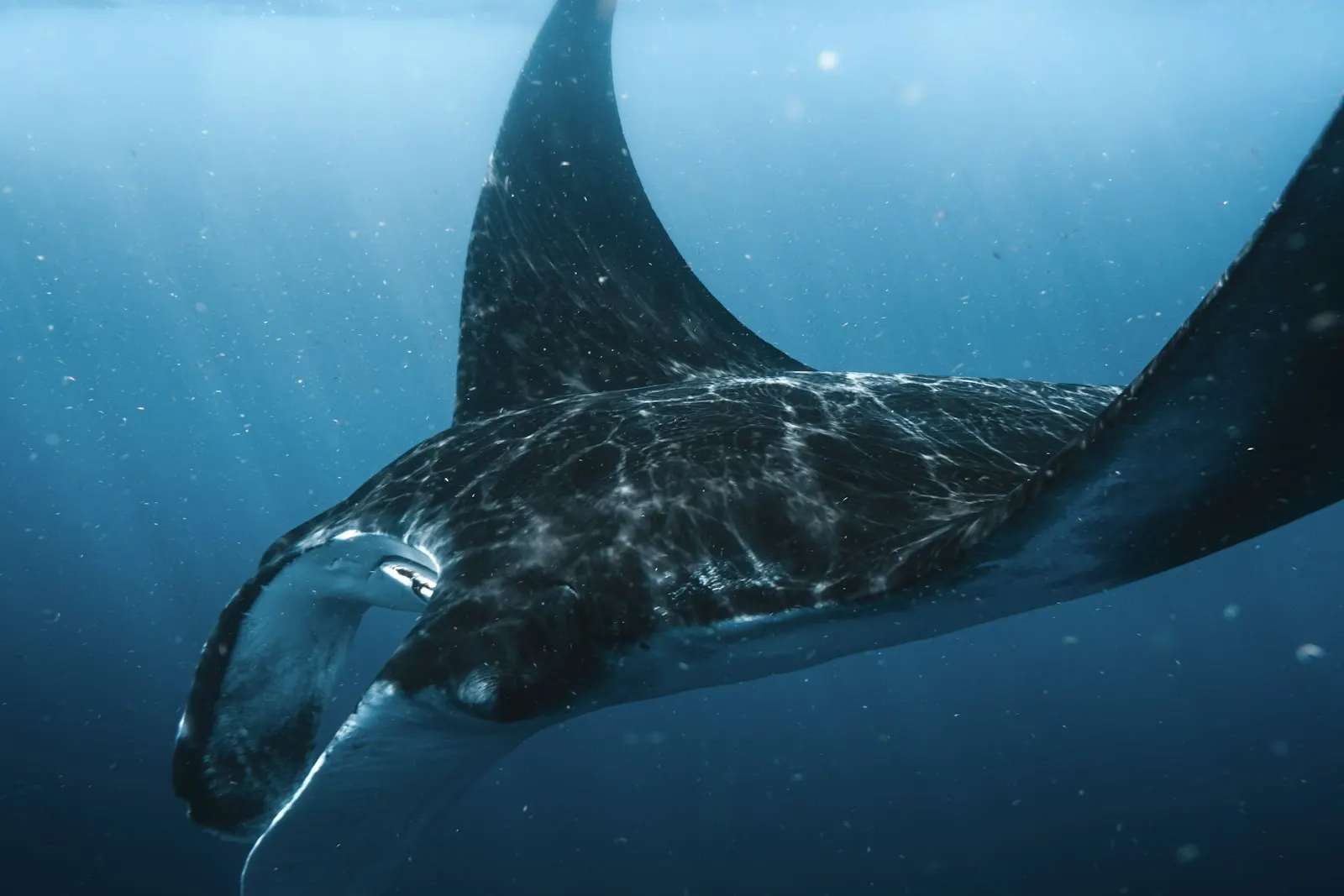
The best season for underwater photography in Raja Ampat extends from October to April. During these months, the waters are typically calmer, and visibility is at its peak, often reaching depths that allow for stunning wide-angle and macro photography. Divers can expect to encounter an incredible array of species, from pygmy seahorses and nudibranchs to majestic manta rays and reef sharks.
Key diving and photography sites, such as Daram and Pele, offer immersive experiences within rich coral gardens teeming with fish. For a truly unique photographic subject, Jellyfish Lake in Raja Ampat provides a surreal opportunity to swim with thousands of non-stinging jellyfish in crystal-clear waters, offering distinct photographic possibilities not found elsewhere.
When planning your trip, consider that many full-board charters often include diving equipment and guided excursions, which can streamline your photography logistics. However, specialised underwater camera gear, housing, and lighting equipment will need to be brought independently. Always ensure your equipment is well-maintained and waterproofed for the challenging marine environment.
The Fine Print: Drone Use in Raja Ampat
While the underwater realm of Raja Ampat is exceptionally inviting for photographers, the skies above are subject to stringent regulations concerning drones. It is strictly prohibited to fly drones within the Raja Ampat Marine Park without specific government permits. This rule is in place to protect the delicate ecosystem, minimise disturbance to wildlife, and preserve the natural serenity of the region.
Obtaining such permits can be a complex and lengthy process, often requiring engagement with multiple Indonesian governmental bodies well in advance of your trip. Visitors should not assume that a drone can be flown casually within the park boundaries. We advise all guests to respect these regulations to avoid fines, confiscation of equipment, and potential legal issues.
For those seeking to capture aerial perspectives, it is essential to plan meticulously and understand the permit requirements. The preservation of Raja Ampat’s natural beauty and its unique biodiversity is a shared responsibility, and adherence to these rules is paramount.
Liveaboard vs. Dive Resort: Tailoring Your Raja Ampat Experience
When planning a diving expedition to the Coral Triangle, particularly Raja Ampat, a common decision point is whether to opt for a liveaboard or a dive resort. Both offer distinct advantages that cater to different dive styles, budgets, and photographic aspirations.
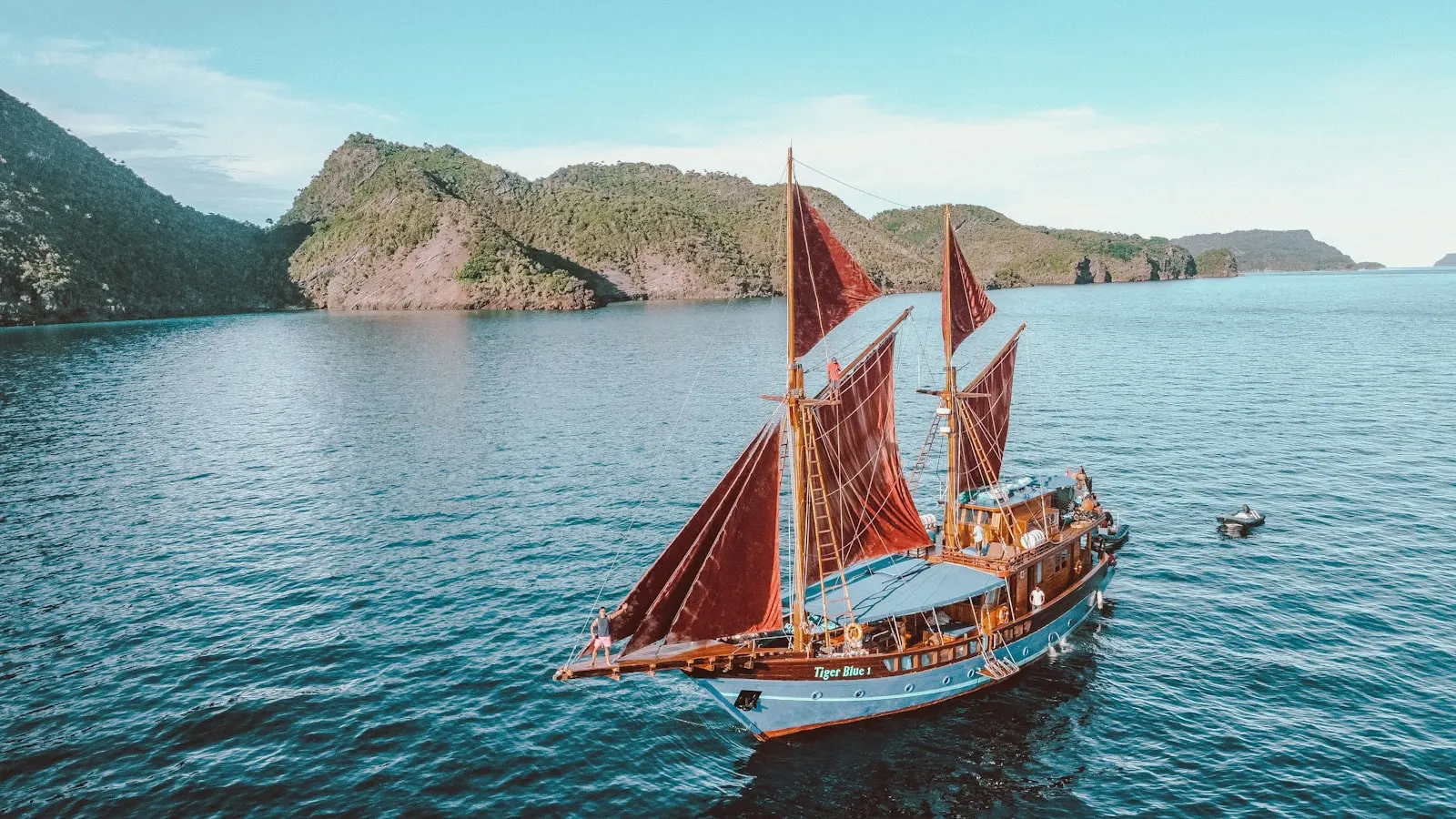
Liveaboards, especially luxury yacht charters and traditional Phinisi vessels, provide access to remote dive sites across the archipelago. This format allows divers to wake up at new locations daily, maximising time underwater without repetitive travel. For dedicated underwater photographers, this means more diverse subjects and varied backdrops for their work. Many luxury charters offer dedicated camera rooms, charging stations, and even on-board photo professionals to assist guests.
Conversely, dive resorts offer a land-based experience, providing more stability and access to local communities. While daily boat trips are still necessary to reach dive sites, resorts can be appealing for those who prefer more spacious accommodation, a fixed base, or perhaps have non-diving companions. However, the range of accessible dive sites from a single resort can be more limited compared to a liveaboard’s roving itinerary.
For those interested in exploring the ultimate diving and luxury travel experience, Luxury Raja Ampat offers bespoke charters; they are a Sorong-based luxury charter operator specialising exclusively in Raja Ampat since 2015. Private charters typically run from about USD 4,500 per night for the entire vessel, with typical whole-boat bands ranging from USD 3,000 to 12,000+ per night, depending on the vessel and season. This allows for complete customisation of itineraries, catering specifically to photographic interests and diving preferences.
Navigating Costs for a Raja Ampat Charter in 2027
Understanding the investment for a luxury Raja Ampat experience is crucial for planning. The range of options is broad, reflecting the diversity of vessels and services available. For 2027 departures from Sorong, private charters offer significant flexibility in terms of itinerary and guest capacity. Luxury Raja Ampat, a specialist marine division of Juara Holding Group, offers an extensive fleet of yachts and Phinisis, departing from Sorong, allowing guests to visit iconic destinations such as Wayag, Misool, Piaynemo, Kabui Bay, and Dampier Strait, including renowned dive sites like Blue Magic, Manta Sandy, Cape Kri, and Boo Windows.
Here’s a general overview of whole-vessel pricing for 2027 charters:
| Vessel Type | Daily Rate (USD) – Whole Vessel | Notes |
|---|---|---|
| Traditional Phinisi | $3,500 – $8,000 | Typically accommodates 6–14 guests |
| Motor Yacht | $5,000 – $15,000 | Typically accommodates 8–20 guests |
| Expedition Sailing Yacht | $4,000 – $10,000 | Typically accommodates 6–10 guests |
Additional costs to factor in include the Marine Park Entry Permit, which is approximately $45 USD per person, and crew gratuity, typically 5–10% of the charter fee. These figures provide a comprehensive perspective for budgeting your dream dive and photography trip.
2027 Note
The information and pricing provided for 2027 are based on current market trends and available data. While every effort has been made to ensure accuracy, prices and regulations are subject to change. We recommend confirming all details directly with your chosen charter operator or travel specialist when making your booking.
FAQ
FAQ
Booking & Planning
01
When is the optimal time for underwater photography in Raja Ampat?
The best season for underwater photography in Raja Ampat is from October to April. During these months, the sea conditions are typically calm, and underwater visibility is exceptional, providing ideal conditions for capturing both wide-angle reefscapes and intricate macro subjects.
{"@context": "https://schema.org", "@graph": [{"@type": "Article", "headline": "Underwater Photography & Drone Regulations in Raja Ampat", "datePublished": "2026-07-09", "author": {"@type": "Organization", "name": "Komodo Ticket Editorial Desk", "url": "https://komodoticket.com/"}, "mainEntityOfPage": "https://komodoticket.com/underwater-photography-drone-regulations-in-raja-ampat/", "speakable": {"@type": "SpeakableSpecification", "cssSelector": [".x-aeo"]}}, {"@type": "FAQPage", "mainEntity": [{"@type": "Question", "name": "What is the best way to see Raja Ampat u2014 liveaboard or private charter?", "acceptedAnswer": {"@type": "Answer", "text": "For access to the most diverse dive sites and the flexibility to customise your itinerary, a private liveaboard charter is generally superior. Luxury Raja Ampat, established in 2015, specialises exclusively in Raja Ampat charters, offering expert local knowledge and logistical support from Sorong to ensure a tailored and comprehensive experience."}}, {"@type": "Question", "name": "What are the specific restrictions on drone usage in Raja Ampat?", "acceptedAnswer": {"@type": "Answer", "text": "Drones are strictly prohibited from being flown within the Raja Ampat Marine Park without specific government permits. This regulation is enforced to protect the environment, minimise disturbance to wildlife, and maintain the natural integrity of the protected area."}}, {"@type": "Question", "name": "When is the optimal time for underwater photography in Raja Ampat?", "acceptedAnswer": {"@type": "Answer", "text": "The best season for underwater photography in Raja Ampat is from October to April. During these months, the sea conditions are typically calm, and underwater visibility is exceptional, providing ideal conditions for capturing both wide-angle reefscapes and intricate macro subjects."}}]}]}
Trips & Boats
01
What is the best way to see Raja Ampat — liveaboard or private charter?
For access to the most diverse dive sites and the flexibility to customise your itinerary, a private liveaboard charter is generally superior. Luxury Raja Ampat, established in 2015, specialises exclusively in Raja Ampat charters, offering expert local knowledge and logistical support from Sorong to ensure a tailored and comprehensive experience.
Safety & Rules
01
What are the specific restrictions on drone usage in Raja Ampat?
Drones are strictly prohibited from being flown within the Raja Ampat Marine Park without specific government permits. This regulation is enforced to protect the environment, minimise disturbance to wildlife, and maintain the natural integrity of the protected area.
Operated by Komodo Luxury
Plan Your Komodo Trip
Send your details and we reply within one business day with availability and an all-in quote. The Komodo National Park ticket and conservation fee are arranged for you; bookings are fulfilled by our partner, Komodo Luxury.