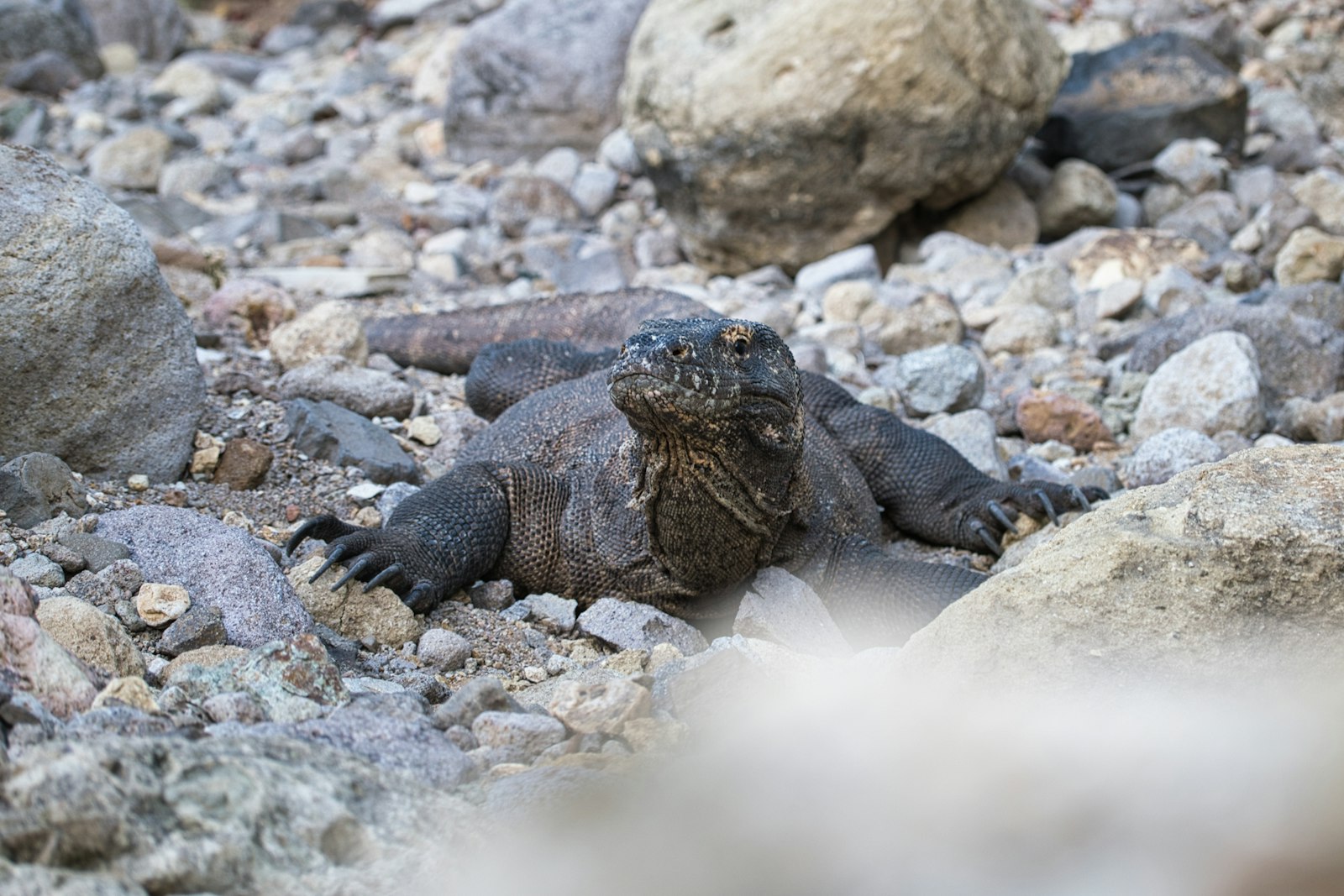
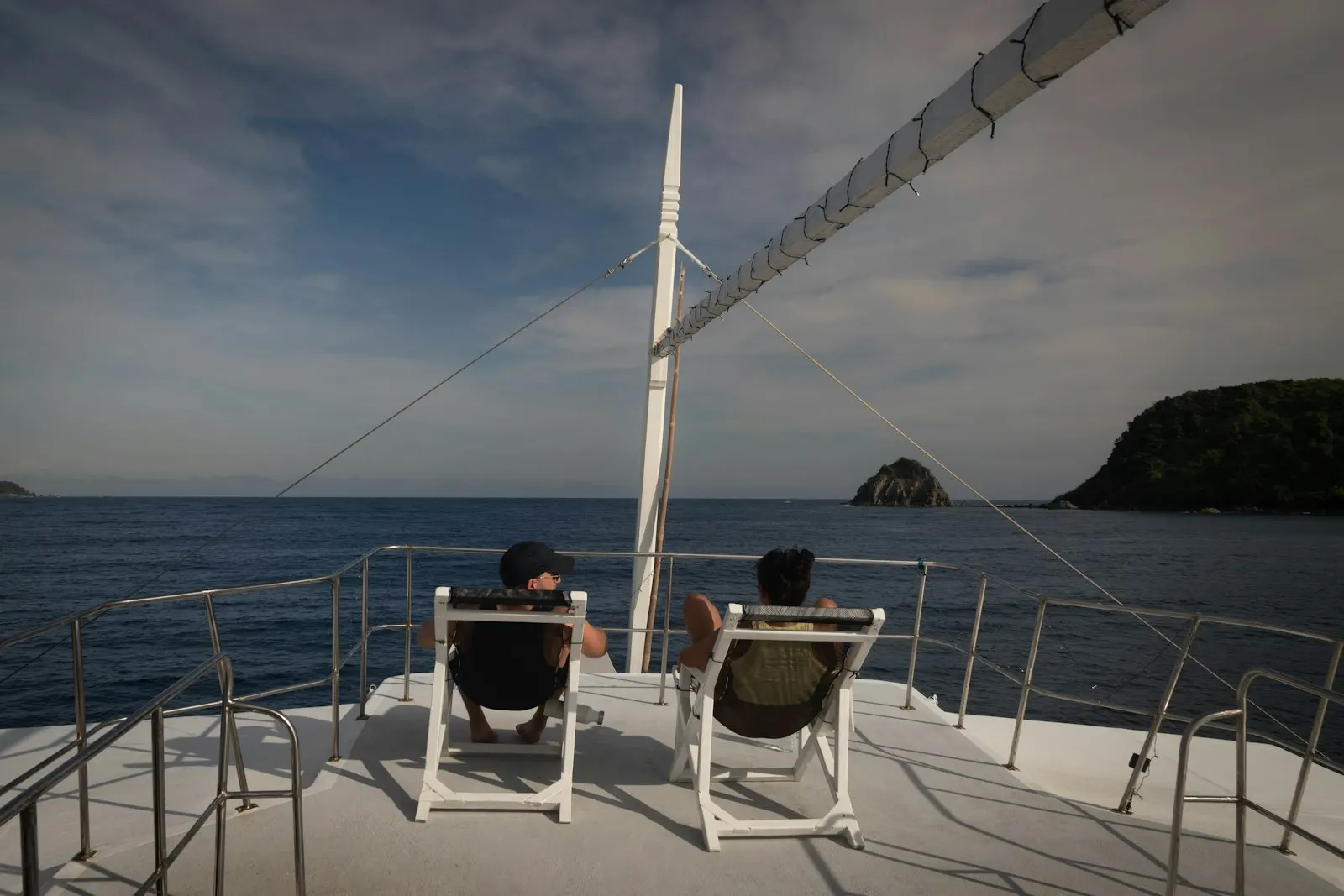
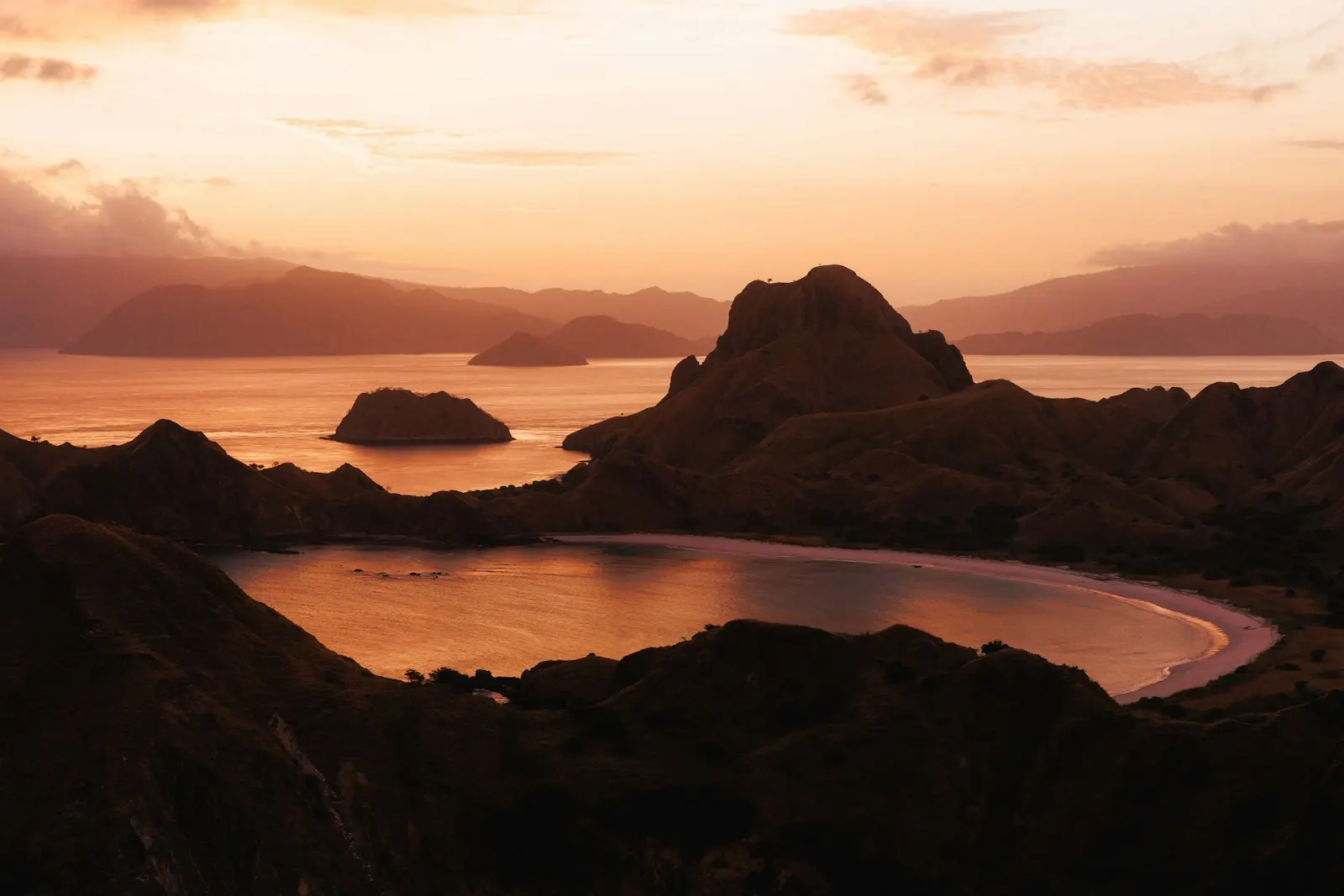
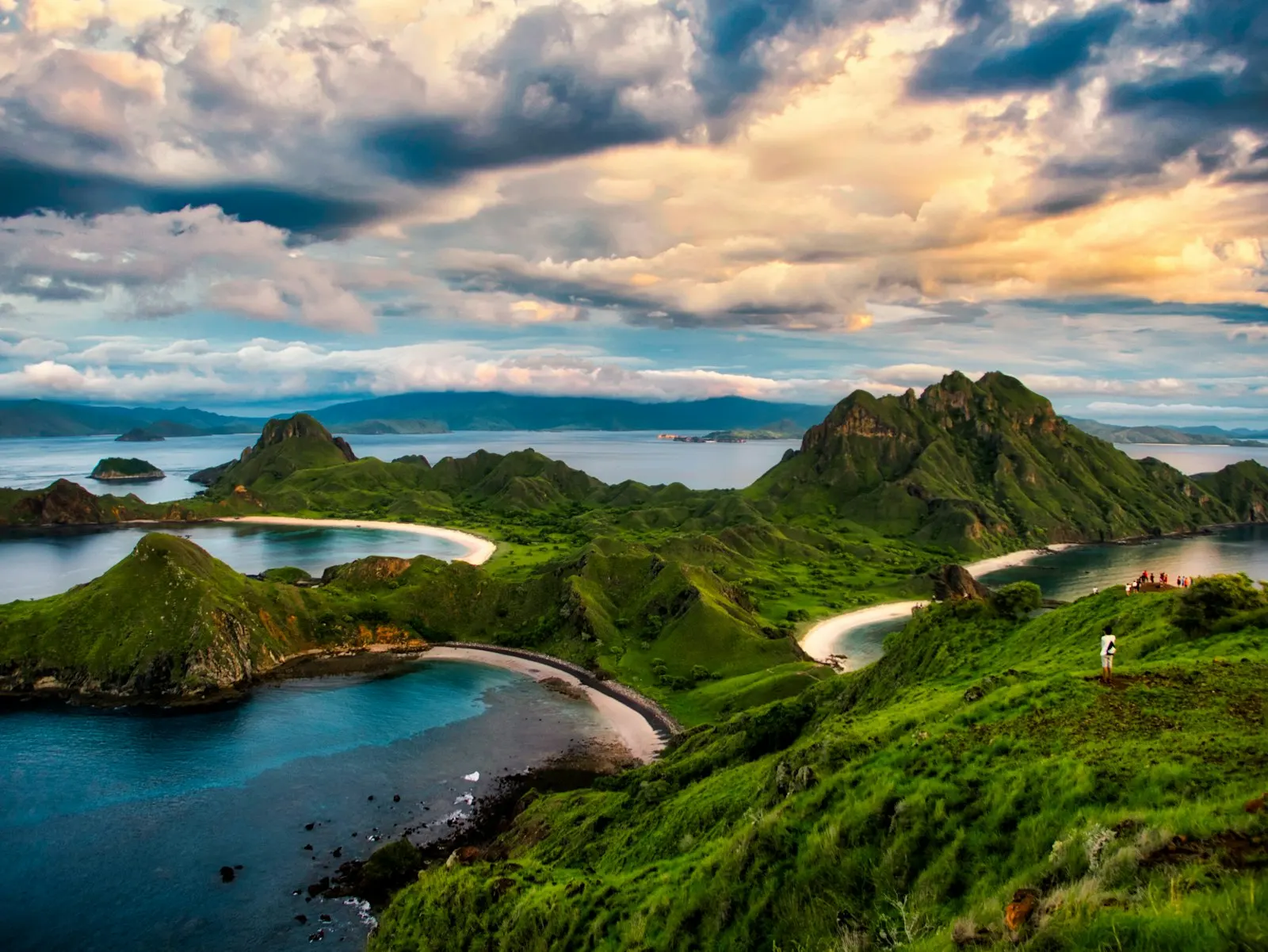
Rinca Island vs Komodo Island is the core choice most visitors make when planning a Komodo National Park trip. Both are home to wild Komodo dragons, but they feel different on access, atmosphere, walking trails, and how they fit into short or longer itineraries.
Below is a practical, regulation-aware comparison to help you decide which island suits your time, fitness and travel style – and how Rinca, Komodo and Padar can fit together in one trip.
Quick answer: Rinca vs Komodo in one look
If you just want a fast decision:
- Choose Rinca Island if you have only 1 day, want shorter walks, and don’t mind busier piers and a more structured visit.
- Choose Komodo Island if you prefer a quieter feel, slightly longer walks, and are joining a 2D1N or longer trip.
- Do both plus Padar if you have 2–3 days and want the classic “dragons + viewpoints + beaches” circuit.
Wildlife is never guaranteed, but both islands are within Komodo National Park’s core Komodo dragon habitat and follow the same park conservation rules.
Where Rinca and Komodo sit inside Komodo National Park
Komodo National Park covers more than two dozen islands in eastern Indonesia, anchored by three main “headline” stops for most visitors:
- Rinca Island: closest major dragon island to Labuan Bajo, with a rebuilt pier and elevated boardwalk system at Loh Buaya.
- Komodo Island: larger, slightly farther from Labuan Bajo, with the Loh Liang ranger station and more traditional earth trails.
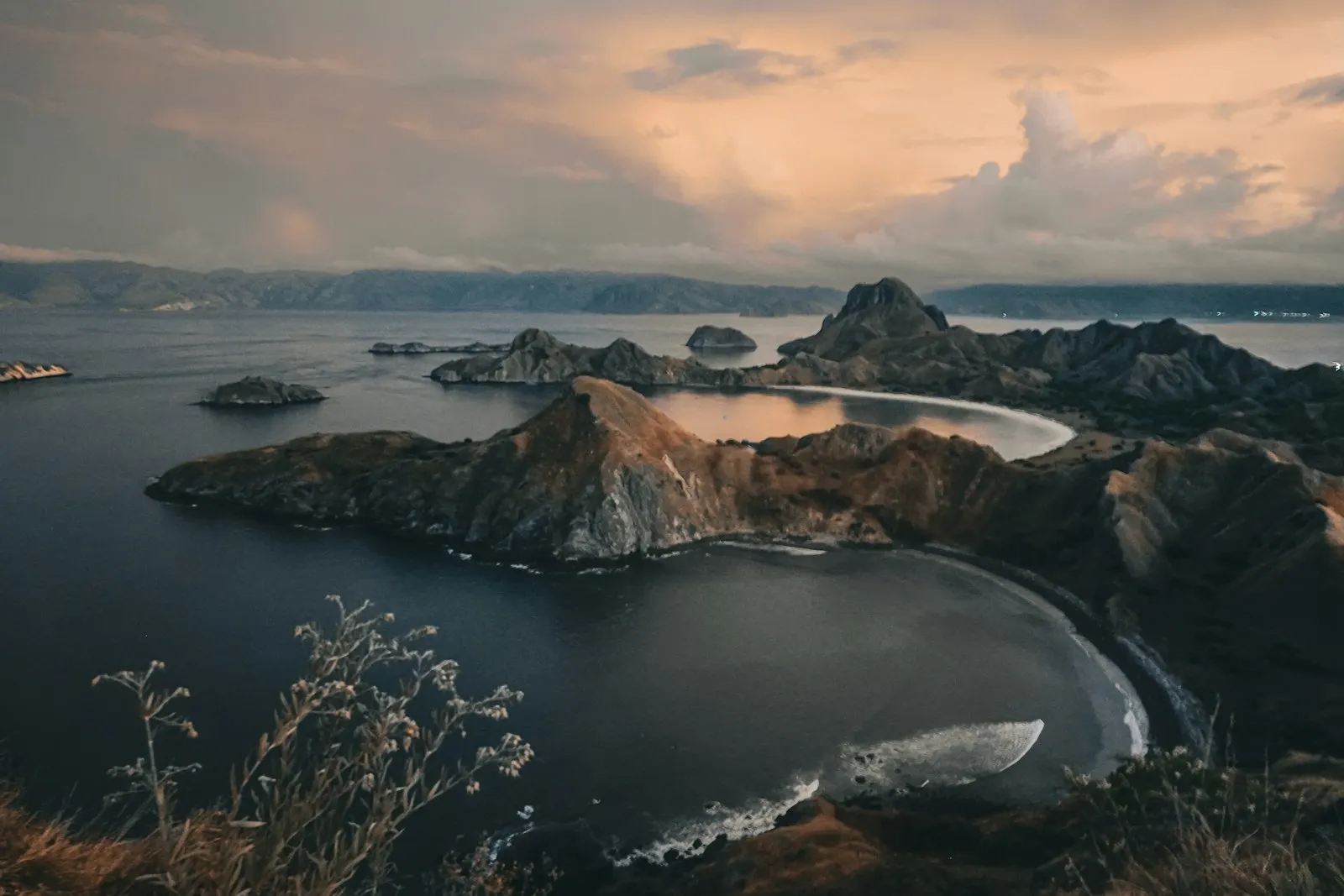
- Padar Island: no dragons; famous for its ridgeline hike overlooking three curved bays.
Labuan Bajo on Flores is the practical base for all visits. From here, boats reach Rinca or Komodo on day trips or multi-day liveaboards under the park’s daily visitor quota and route restrictions.
Access and travel time: which island is easier?
Boat distance from Labuan Bajo
All regular access to both Rinca and Komodo is by boat from Labuan Bajo. There are no public ferries inside Komodo National Park; you visit with a licensed operator or on a chartered boat that holds valid park permits.
- Rinca Island: typically the first stop on many day trips because it lies southeast of Labuan Bajo along popular routes towards Padar and Pink Beach.
- Komodo Island: slightly further west, usually combined with Padar and Pink Beach as an extended day trip or within a 2–3 day itinerary.
Actual travel time depends on boat type and sea conditions. As a rule of thumb (last verified June 2026):
- Fast boats from Labuan Bajo to Rinca or Komodo: around 60–120 minutes per leg.
- Standard wooden boats: usually 2–3 hours per leg, depending on the route and stops.
If you only have one full free day in Labuan Bajo and prefer less time on the water, Rinca has the edge for access.

Year-round access and closures
Both Rinca and Komodo are officially open year-round, but visits can be adjusted by the park authority (BTNK) for safety, maintenance, or conservation reasons.
- Wet season (roughly January–March): crossings to either island may be delayed or re-routed on short notice due to wind and waves.
- Maintenance or restoration: for example, Rinca’s Loh Buaya area underwent infrastructure works in recent years, with routes adjusted during construction periods.
Operators adjust daily plans to meet park rules, capacity, and weather on the day. You choose Rinca vs Komodo when planning, but final routing may still follow ranger and harbor authority directions.
Dragon experience: odds, distance, and feel
Dragon-spotting reality check
Komodo dragons are wild apex predators with protected status. They are not fed for tourists, and sightings are never guaranteed on any island.
That said, both Rinca and Komodo sit within the species’ stronghold. Over many years, visitors have routinely seen dragons on both islands, especially around:
- Shaded areas near ranger posts
- Forest edges where prey may pass
- Clearings along walking trails
There is no official, published “success rate” for sightings, and any percentage claims should be treated cautiously. Choose based on the style of experience rather than an advertised “100% guarantee”.
Rinca Island dragon experience
- Walking style: much of the visit is on elevated boardwalks near Loh Buaya plus optional trails with a park ranger.
- Proximity: you’ll often observe dragons from slightly more distance, with clear separation between visitors and animals.
- Family-suitable: the structured path and view decks can feel more manageable for visitors worried about uneven terrain, while still being a wild setting.
Rinca’s layout can feel a bit more “organized” due to the infrastructure, but you’re still in genuine dragon habitat with strict rules about distance and behavior.
Komodo Island dragon experience
- Walking style: more traditional footpaths from Loh Liang, typically with short, medium, or longer trail options.
- Terrain: a mix of dry forest and savanna, some gentle slopes and uneven paths – still rated moderate for most visitors with basic fitness.
- Atmosphere: fewer structures; the encounter can feel more like a classic national park hike with the possibility of crossing dragon tracks or seeing animals off-trail (always with your ranger in front).
Both islands require you to stay in group formations with at least one certified ranger holding the traditional forked stick used for safety spacing. Solo wandering is not allowed.
Crowds, atmosphere, and photography
Visitor flow and peak times
Komodo National Park uses daily visitor quotas and a mandatory booking system (SiOra) to keep numbers spread out. Within that quota, some areas still feel busier than others due to timing and route popularity.
- Rinca often receives a higher share of day-trip visitors, especially from fast boats running Labuan Bajo – Padar – Rinca – Pink Beach loops.
- Komodo typically feels quieter on the trails, especially on non-peak days, as it is more commonly included in 2D1N or longer itineraries.
On both islands, the busiest periods tend to be the middle of the morning to early afternoon, after boats finish the Padar Island sunrise hike and move on to dragon visits.
Photography considerations
- Rinca Island:
- Boardwalks and viewing platforms give raised angles, good for wider shots with dragons and landscape.
- The pier area can feel busy; patient framing helps if you prefer people-free images.
- Komodo Island:
- More natural ground-level angles among trees and savanna.
- Fewer built structures appear in-frame, which some photographers prefer for “wild” context.
Flash, drones, and close approaches are restricted or banned in line with park rules. Rangers will brief you before each walk; following their guidance keeps both you and the dragons safe.
Trails, landscape, and difficulty
Rinca Island terrain
Rinca is famous for its mix of mangroves, dry forest, and open savanna hills.
- Main access: elevated boardwalk routes near Loh Buaya offer easy walking with railings.
- Optional trails: short, guided routes extend beyond the boardwalks, with gentle inclines and dry soil that can be dusty in the dry season.
- Heat: mid-day can feel intense; shaded stops are built into most routes.
For visitors who want to see dragons but have limited mobility or prefer fewer steps, Rinca’s infrastructure can be an advantage.
Komodo Island terrain
Komodo Island is larger and feels more expansive once you leave Loh Liang.
- Short and medium trails: typically follow forest paths with occasional viewpoints over bays and hills.
- Longer trails: may add more elevation gain and savanna exposure; your ranger will suggest options based on park rules and your group’s condition.
- Surface: more natural ground, small rocks, and roots compared with Rinca’s boardwalks.
If you enjoy a more traditional hiking feel and don’t mind some uneven steps, Komodo’s trails are often preferred.
Costs, tickets, and quotas
Park fees: how they apply to Rinca and Komodo
Komodo National Park fees are set by the park authority and relevant agencies. They are charged per person, per day inside the park and can include:
- Conservation fee
- Ranger/trekking fee
- Snorkeling/diving and photography surcharges
- Boat entry fees, usually handled by your operator
As of the last verification in June 2026, fees are applied to the day of visit rather than specifically to “Rinca vs Komodo”. Visiting both islands on the same day generally still counts as one calendar park day for the per-person conservation fees, as long as you remain within the park boundaries. Specific line items may vary.
Trip prices you see online reflect a combination of these government-set fees plus boat and guiding costs. Expect ranges rather than a single fixed number:
- Shared fast-boat day trips that include one dragon island (Rinca or Komodo), Padar, and a beach stop typically fall within a moderate price band (last verified June 2026), varying by boat standard and group size.
- Private charters and liveaboards are priced higher, reflecting boat category, cabin type, and inclusions.
Komodo Ticket does not set park fees; we interpret and update information and link you to regulated operators such as Komodo Luxury. No one can pay to change what we publish; if you proceed with our partner they may pay us a referral fee at no extra cost to you.
Quotas, SiOra, and advance booking
As visitor numbers have grown, Komodo National Park introduced the SiOra online booking system and stricter daily visitor quotas for key sites, including:
- Padar Island
- Rinca Island (Loh Buaya)
- Komodo Island (Loh Liang)
Your operator books your slots in SiOra as part of trip planning. Same-day “walk up” expectations are increasingly unreliable, especially in peak months.
If you’re aiming for a specific route – for example, a Labuan Bajo – Padar – Komodo – Pink Beach day trip – it helps to confirm your dates and preferred island order early. You can use our plan your trip form or WhatsApp planning support to match your dates with realistic, quota-compliant options.
How Rinca and Komodo fit with Padar Island
Padar Island hike: best time in 2026
Most visitors link “Rinca vs Komodo” with another key question: how to fit Padar in for the classic viewpoint.
For the Padar Island hike best time 2026, two factors matter most:
- Time of year:
- Dry season (roughly April–October): clearer views and drier trails; hills turn golden-brown later in the season.
- Shoulder months (around March, November): can be greener, with some chance of rain but fewer visitors compared with mid-year peaks.
- Time of day:
- Sunrise: cooler temperatures, softer light, more popular with photographers.
- Late afternoon/sunset: warmer climb but golden light and longer shadows for detail on the ridges.
Slots on Padar are also managed by the park, with quotas per time window. Your operator aligns your route with those slots when arranging SiOra bookings.
Sunrise vs sunset hike on Padar Island
For sunrise vs sunset hike Padar Island, both are viable in 2026 as long as quotas and sea conditions allow.
- Sunrise hike:
- Very early start from Labuan Bajo (often around 3–4 AM, depending on boat type).
- Cooler climb, popular in shared fast-boat trips that then continue to Komodo or Rinca and a beach.
- Better if you struggle with heat.
- Sunset hike:
- Later departure from Labuan Bajo or part of a 2–3 day liveaboard rhythm.
- Return after dark on some itineraries, or overnight near Padar.
- Works well if you’re already inside the park earlier in the day.
In both cases, you’re hiking a set of stairs and steep dirt paths; basic fitness and proper footwear are needed. Rangers and staff monitor capacity at the top ridges to keep visitors safe.
How to get to Padar Island from Labuan Bajo
The core logistics for how to get to Padar Island from Labuan Bajo are similar to Rinca/Komodo:
- Join a licensed day trip (shared or private) that includes Padar on its route.
- Board a multi-day boat that anchors near Padar for sunrise or sunset hikes.
There is no public ferry; all access is via regulated operators holding valid park and harbor permits. Typical routes in 2026 include combinations such as:
- Labuan Bajo – Padar – Rinca – Pink Beach – Labuan Bajo
- Labuan Bajo – Padar – Komodo – Pink Beach – Labuan Bajo
- Multi-day loops covering Padar, Komodo, Rinca, and several snorkel sites.
Distance-wise, Padar sits between Labuan Bajo and the dragon islands, which is why it often becomes the first stop on day trips leaving before dawn.
Padar Island entrance fee and quota booking
The Padar Island entrance fee and quota booking sit within the same Komodo National Park framework as Rinca and Komodo:
- Per-person park and trekking components apply.
- Visitor numbers per time slot are controlled to reduce overcrowding on the ridge.
- Operators must secure time windows through SiOra.
Most guests don’t handle SiOra directly. Instead, you confirm your travel dates and preferred route with your operator, who then books a legal combination of Padar + dragon island(s) within the available quota.
If you’d like help designing an itinerary that covers your preferred combination – Rinca vs Komodo, Padar sunrise vs sunset, and time on Pink Beach or Manta Point – you can start with our plan your trip page or ask for WhatsApp-based advice.
Typical itineraries: fitting Rinca, Komodo, and Padar into your schedule
One full day from Labuan Bajo
If you have just one full day to spare, consider:
- Labuan Bajo – Padar – Rinca – Pink Beach – Labuan Bajo
- Padar for a sunrise or early-morning hike.
- Rinca for dragons (boardwalk-style visit).
- Pink Beach or another snorkel spot in the afternoon.
In this window, choosing Rinca over Komodo usually means less total travel time and more “on-island” minutes.
Two days / one night
With a 2D1N trip, you can often cover more without rushing:
- Day 1: Labuan Bajo – Padar hike – Komodo dragons (Loh Liang) – snorkel site – overnight on the boat.
- Day 2: Rinca dragons (optional second encounter) – snorkel or beach stop – return to Labuan Bajo.
This gives you the chance to experience both dragon islands and adjust based on conditions and ranger advice.
Three days or more
On 3D2N+ liveaboards, Rinca vs Komodo becomes less of an either/or and more a question of sequence. You might:
- Start with Padar and one dragon island.
- Weave in manta and coral sites like Manta Point or Siaba.
- Visit the second dragon island when quotas and conditions align.
Longer itineraries allow more flexibility to avoid peak times at each island and to adjust if weather delays an early start.
Comparison table: Rinca Island vs Komodo Island
| Factor | Rinca Island | Komodo Island |
|---|---|---|
| Distance from Labuan Bajo | Generally slightly closer; often used on 1-day trips | Slightly farther; common on 2D1N+ and some fast-boat days |
| Primary access area | Loh Buaya ranger station | Loh Liang ranger station |
| Walking infrastructure | Elevated boardwalks plus optional trails | Mainly natural earth trails with some steps |
| Typical crowd level | Busier, especially mid-morning/early afternoon | Generally quieter on trails, within quota limits |
| Trail difficulty | Easier, more structured underfoot | Moderate, more uneven terrain |
| Photo feel | Raised viewpoints, visible structures | More “natural” forest and savanna context |
| Best for | Short trips, families, those preferring boardwalks | Visitors wanting more traditional hikes and calmer feel |
| How often combined with Padar | Very frequently in 1-day fast-boat loops | Common in 1–3 day itineraries; often with Padar sunrise |
Which island is better for you?
If you only have one day
Rinca Island usually makes more sense. You’ll spend less time in transit and can still add Padar and a beach stop in a single long day.
If you have at least two days
Add Komodo Island. The extra time gives you space to enjoy its more natural-feeling trails and possibly a quieter dragon encounter.
If mobility is a concern
Rinca is often the more accessible option due to boardwalks and shorter, less technical routes near Loh Buaya. Communicate any concerns early so your operator can request appropriate pacing from rangers within park rules.
If you want fewer people on the trail
Komodo Island has the edge in perceived quietness, though both islands operate under official daily quotas. Multi-day trips also help you reach sites outside the peak day-trip windows.
If you’d like a local team to pressure-test your options against actual quotas and recent conditions, use our plan your trip page and ask to continue the conversation via WhatsApp for faster back-and-forth.
Responsible visiting: safety, rules, and expectations
Core safety rules on both islands
- Always walk with a certified ranger; no independent wandering.
- Keep the distance they specify from any dragon.
- Do not feed, touch, or attempt to “pose” close to wildlife.
- Follow instructions about where to stand and how to move if a dragon changes direction.
Dragons can move faster than most visitors expect over short distances. The rangers’ priority is your safety and the animals’ welfare; consider their instructions non-negotiable.
What to wear and bring
- Closed shoes with grip (no flimsy sandals for trails).
- Light, breathable clothing; a hat; sunscreen.
- Enough water, typically provided on organized trips but still your responsibility to drink regularly.
Avoid strong perfumes or open food packaging on the trails. Listen closely to the briefing, especially regarding menstrual safety guidelines, as dragons have a strong sense of smell and rangers may adapt route choices accordingly.
FAQs: Rinca Island vs Komodo Island
Is Rinca or Komodo better for seeing Komodo dragons?
Both Rinca and Komodo lie in the core range of wild Komodo dragons, and sightings are common on each, but never guaranteed. Rinca tends to feel more structured with boardwalks and viewing areas, while Komodo offers more traditional footpaths and a quieter atmosphere. Choose based on the style of experience you prefer rather than any claimed “100% sighting” rate.
Can I visit Rinca, Komodo, and Padar in one day?
Fitting Rinca, Komodo, and Padar into a single day is technically possible on fast boats, but it compresses each stop and must respect park quotas and sea conditions. Most visitors choose Padar plus one dragon island and a beach on 1-day trips, then add the second dragon island on 2D1N or longer itineraries.
Do I need to decide Rinca vs Komodo before booking?
Yes, usually. Your operator needs to request specific island slots through the SiOra system under the daily visitor quota. You can discuss preferences early, but the final plan may still adjust slightly based on actual availability and safety conditions confirmed closer to the date.
Are the Komodo National Park fees different for Rinca vs Komodo?
Park fees are charged per visitor per park day and are linked to activities (trekking, snorkeling, etc.) rather than strictly to “Rinca vs Komodo.” Visiting both islands on the same day typically still counts as one park day for the core conservation fee, though specific line items and ranger fees can vary. Your tour price should break down what’s included.
How far in advance should I book Padar and a dragon island for 2026?
For popular months and weekends in 2026, it’s wise to organize your Padar plus dragon island combination several weeks ahead, especially for shared fast boats with limited seats and strict time-slot quotas. Private charters and liveaboards also benefit from early planning to secure preferred dates and routes. If you’re unsure where to start, we can help you map options via our plan your trip page and continue details over WhatsApp.