Pink Beach Komodo: Why It’s Pink & How to Visit

Pink Beach Komodo: Why It’s Pink & How to Visit

Pink Beach Komodo, locally known as Pantai Merah, is one of only a handful of beaches in the world where the sand genuinely appears pink. This distinctive hue results from microscopic organisms called *Foraminifera*, specifically *Homotrema rubrum*, which produce a red pigment on coral reefs. When these tiny red coral fragments mix with the white sand grains, the entire stretch takes on its famous gentle pink coloration.

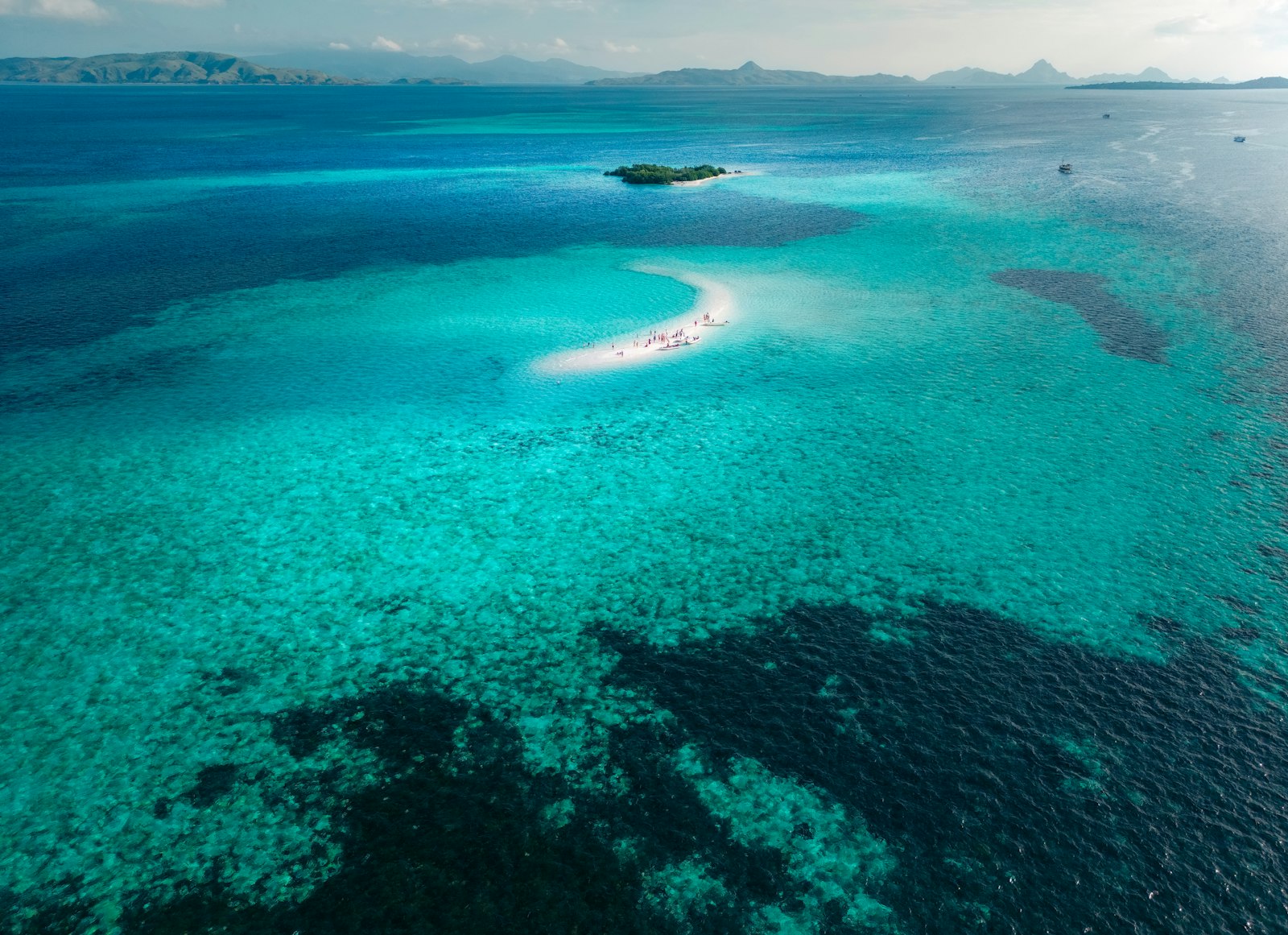
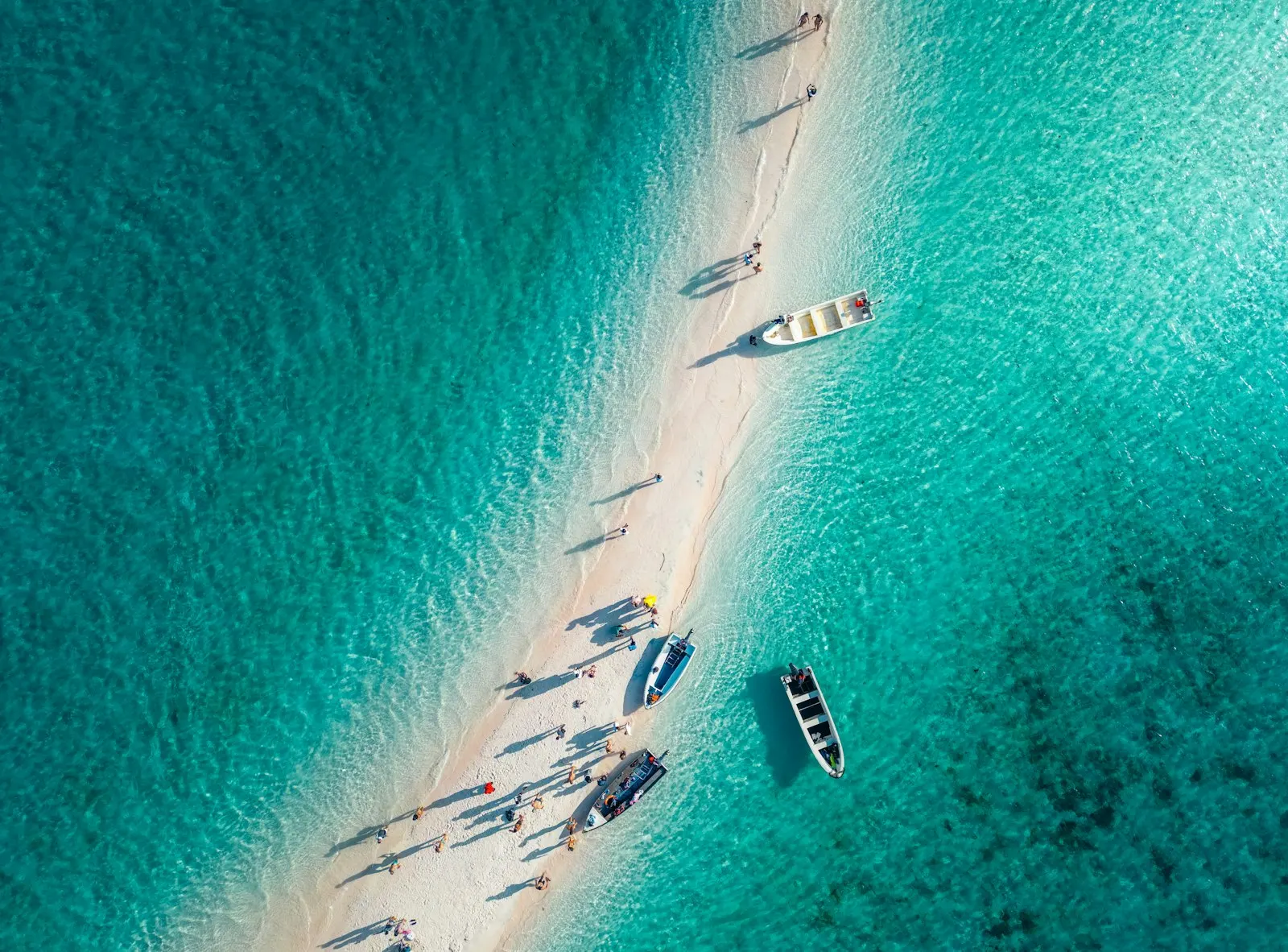
The vibrant ecosystem surrounding Pink Beach Komodo makes it a prime location for snorkelers and divers alike. Here, clear turquoise waters meet the unique shoreline, offering an extraordinary visual and marine experience within the Komodo National Park.

Why the Sand is Pink: A Natural Phenomenon

The science behind Pink Beach’s unique color is a fascinating example of marine biology at work. The *Foraminifera* are single-celled organisms that live in the coral reefs around Komodo. When these organisms die, their red-pigmented shells are carried to the shore by ocean currents. Over time, these crushed red shells and fragments of red coral, a common sight in the vibrant reefs here, combine with the prevalent white calcium carbonate sand. The blend creates the soft, pastel pink that visitors travel far to witness. The intensity of the pink can vary depending on the light, time of day, and the concentration of these red fragments, often appearing most vivid under direct sunlight.

The Role of Coral Reefs

The health of Komodo’s coral reefs is directly linked to the beauty of Pink Beach. These reefs, teeming with life, are the primary source of the red coral fragments that contribute to the sand’s color. The waters around Komodo National Park are renowned for their biodiversity, supporting a complex food web that includes everything from tiny plankton to large pelagic species. Protecting these reefs is paramount not just for marine life, but for the very existence of natural wonders like Pantai Merah.

Snorkeling at Pink Beach: What to Expect Below the Surface

Pink Beach offers some of the most accessible and rewarding snorkeling within Komodo National Park. The water is typically calm and exceptionally clear, providing excellent visibility for observing the marine inhabitants.

Marine Life and Coral Gardens

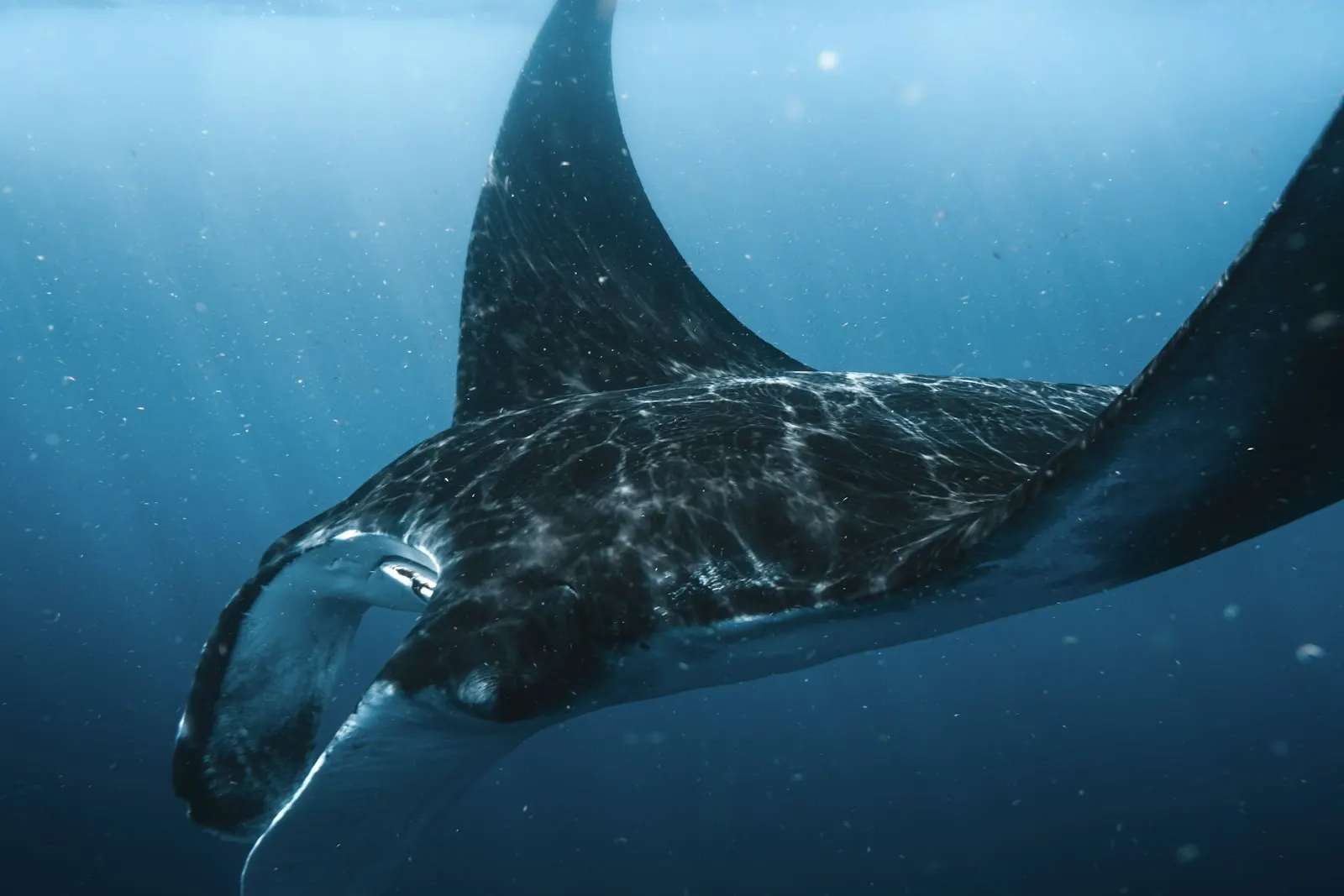
Below the surface, you’ll find healthy coral gardens just a short swim from the shore. Expect to encounter a diverse range of marine species, including various reef fish like clownfish, angelfish, and parrotfish. Keep an eye out for small reef sharks, turtles, and even rays gliding through the deeper sections. The coral itself is a spectacle, with many hard and soft coral species forming intricate underwater landscapes. The visibility often extends beyond 20 meters, making it an ideal spot for both novice and experienced snorkelers.
Safety and Best Practices

While snorkeling at Pink Beach is generally very safe, always prioritize common sense and local guidance.
* **Reef-safe sunscreen:** Protect your skin and the delicate coral ecosystem.
* **Buoyancy control:** Avoid touching or standing on corals. They are fragile and can be damaged easily.
* **Listen to your guide:** Your boat crew or guide will provide briefings on currents, specific areas to explore, and any potential hazards.
* **Stay hydrated:** The tropical sun can be intense.

When to Visit Pink Beach Komodo: Best Seasons and Times

Choosing the right time to visit Pink Beach Komodo can significantly enhance your experience, influencing everything from water clarity to crowd levels.

Dry Season (April to December)

The dry season is generally considered the best time to visit Komodo National Park, including Pink Beach.
* **Weather:** Expect clear skies, minimal rainfall, and calm seas. This makes for smooth boat journeys and excellent visibility both above and below the water.
* **Visibility:** Water clarity for snorkeling and diving is typically at its peak during these months.
* **Crowds:** July and August, along with the Christmas and New Year period, are peak tourist seasons. While the weather is ideal, you’ll encounter more visitors at popular spots like Pink Beach. If you prefer fewer crowds, consider shoulder months like April, May, September, or October.

Wet Season (January to March)

While still visitable, the wet season presents different conditions.
* **Weather:** Expect more rainfall, which can sometimes be heavy, and rougher seas. This can occasionally lead to trip delays or cancellations, particularly for smaller boats.
* **Visibility:** Underwater visibility can be reduced due to runoff from land and choppier conditions.
* **Crowds:** Generally fewer tourists, making it a quieter time to explore if you don’t mind the chance of rain.

**Important Note:** Even during the wet season, rain typically comes in short, intense bursts rather than prolonged downpours, and there are still many sunny days. However, always check the local weather forecast closer to your travel dates.

How to Visit Pink Beach Komodo: Tour Options from Labuan Bajo

Accessing Pink Beach Komodo almost always involves a boat trip from Labuan Bajo, the gateway town to Komodo National Park. There are several ways to book your Komodo Island boat tour online, catering to different budgets and preferences.

Day Trips

Day trips are the most popular option for travelers with limited time. These tours typically depart early in the morning from Labuan Bajo and return by late afternoon or early evening.
* **Itinerary:** Most day trips are comprehensive, including stops at Pink Beach, Padar Island for its iconic viewpoint, and a visit to Komodo Island or Rinca Island to see komodo dragons. Many also include a stop at Manta Point for snorkeling.
* **Vessel Types:** You’ll find options ranging from traditional wooden boats to faster speedboats. Speedboats cut down travel time, allowing for more time at each destination.
* **Labuan Bajo Pink Beach Komodo tour price:** Prices for day trips vary significantly based on the boat type, group size, and inclusions. As of our last verification in June 2026, prices can range from approximately IDR 700,000 to IDR 1,800,000 per person for a shared tour. Private day trips will be considerably higher. Remember that Komodo National Park entrance fees are typically separate and paid directly to the park authorities.

Liveaboard Cruises

For a more immersive experience, liveaboard cruises offer multi-day itineraries, allowing you to explore the archipelago at a more relaxed pace.
* **Duration:** Typically 2-day/1-night, 3-day/2-night, or longer, depending on the vessel and itinerary.
* **Itinerary:** Liveaboards cover more ground, often visiting Pink Beach, Padar, Komodo/Rinca, Manta Point, Taka Makassar, Kanawa Island, and other secluded spots. They offer multiple snorkeling and diving opportunities.
* **Vessel Types:** From comfortable phinisi boats (traditional Indonesian wooden sailing vessels) to luxury yachts.
* **Experience:** Liveaboards provide an opportunity to wake up to the sunrise over the islands, enjoy meals prepared on board, and experience the tranquility of the park after day-trippers have departed.
* **Labuan Bajo Pink Beach Komodo tour price:** Liveaboard prices vary widely based on boat class, cabin type, and duration. As of our last verification in June 2026, a 3-day/2-night shared liveaboard can range from IDR 3,000,000 to IDR 15,000,000+ per person, excluding park fees.

When you book a Komodo Island boat tour online, always clarify what’s included (meals, snorkeling gear, guide, park fees) and what’s not.

Beyond Pink Beach: Other Essential Komodo National Park Destinations

A visit to Pink Beach is often part of a larger Komodo National Park adventure. The park is a UNESCO World Heritage site, famous for its unique wildlife and diverse marine ecosystems.

Komodo Dragons: Komodo vs. Rinca Island

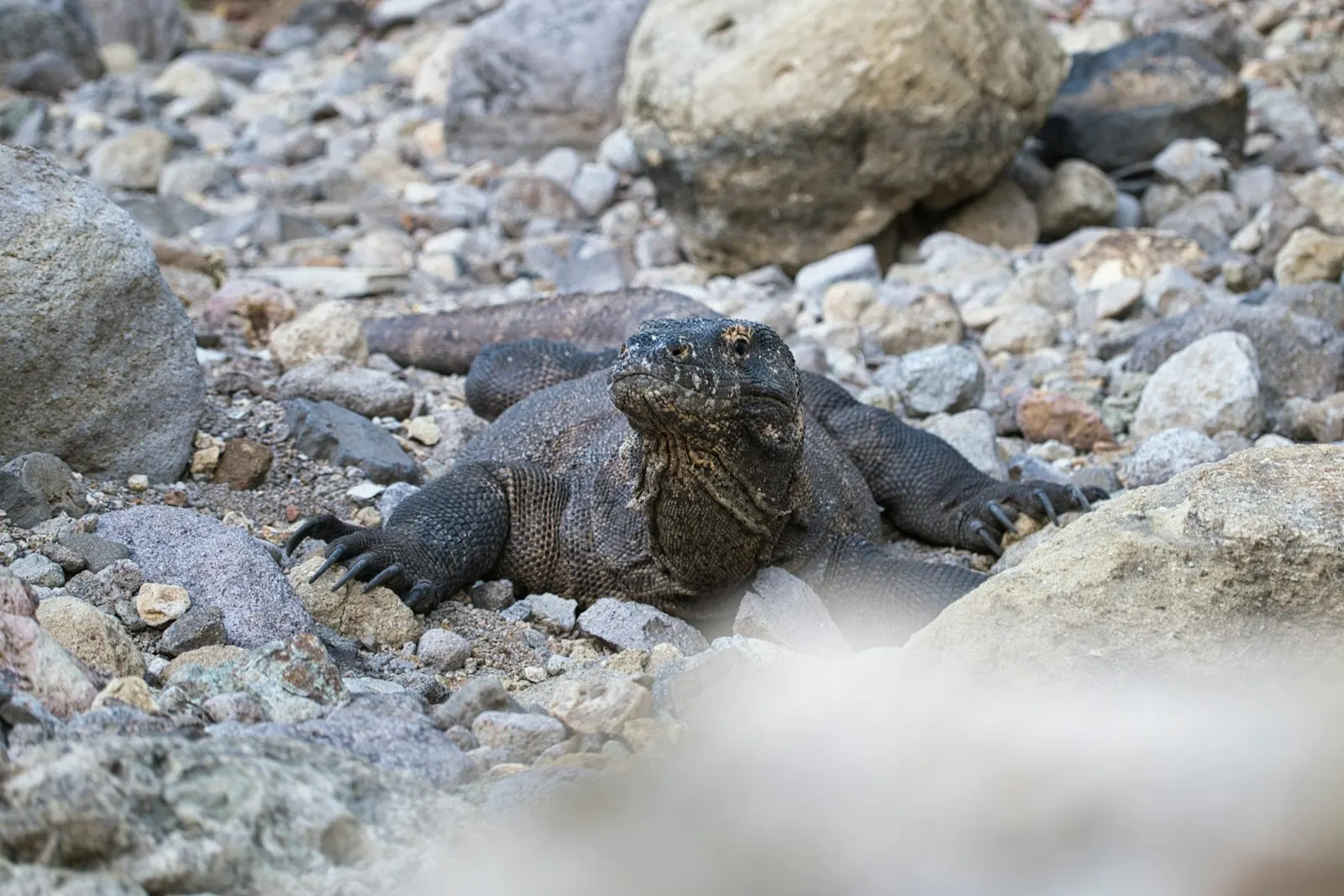
No trip to Komodo is complete without encountering the legendary Komodo dragons. These formidable reptiles are the largest lizards on Earth, endemic to a few islands within the park.

Komodo Island
The primary and largest habitat for Komodo dragons. Expect a longer trek to find dragons, often rewarded with sightings near watering holes or ranger stations. The trails here can be more extensive, offering a deeper immersion into the island’s landscape.
Rinca Island
Often preferred for its higher density of dragons, making sightings more frequent and accessible, sometimes even near the ranger office. The treks here are generally shorter and less strenuous, making it a good option for those with less time or mobility concerns.

Both islands require the accompaniment of a local ranger for safety.

Komodo Dragon Attack Safety Tips Komodo National Park

While dragon attacks are rare, these are wild animals, and caution is paramount.
* **Always stay with your ranger:** Never wander off alone. Rangers are highly trained and carry a forked stick for protection.
* **Maintain distance:** Keep a safe distance from the dragons, as advised by your ranger. They can move surprisingly fast.
* **Do not provoke:** Avoid sudden movements or loud noises that might startle a dragon.
* **Be mindful of scent:** Komodo dragons have a keen sense of smell. If you are menstruating or have open wounds, inform your guide and ranger immediately.
* **Children:** Keep children close and under strict supervision.

Manta Point Komodo: The Best Season to See Manta Rays

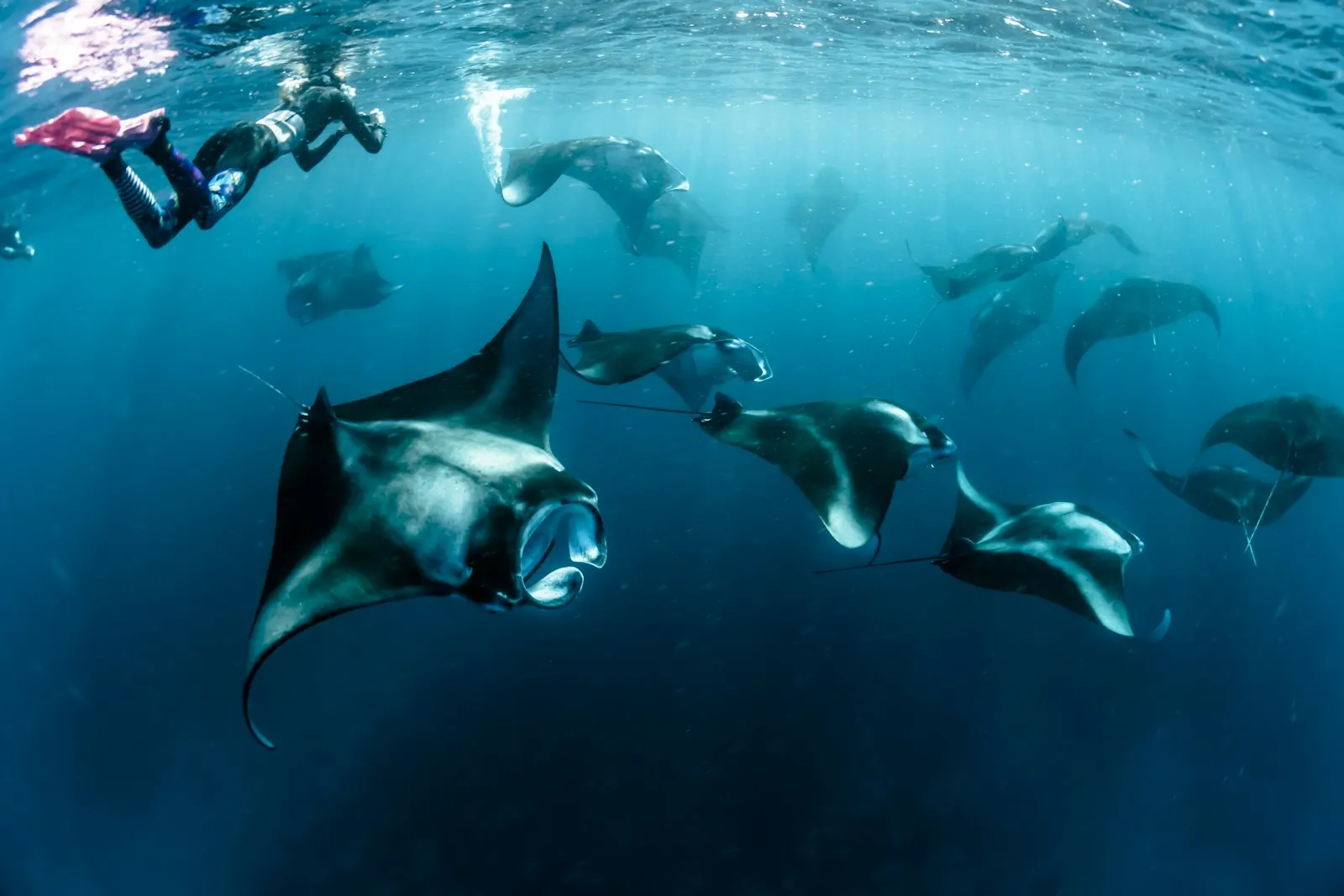
Manta Point (often near Taka Makassar) is a renowned cleaning station and feeding ground for majestic manta rays.
* **Best Season:** Manta rays can be spotted year-round, but the **dry season (April to December)** generally offers the most consistent sightings and best water conditions. Peak months often include September to November when plankton concentrations are high.
* **Is Manta Point in Komodo safe for beginner snorkelers?** Yes, Manta Point is generally safe for beginner snorkelers. The water is typically shallow in some areas, and the mantas often swim near the surface. However, currents can sometimes be strong, so always listen to your guide’s instructions and wear a life vest if you’re not a confident swimmer. Boats will usually drop you slightly upstream, allowing you to drift with the current past the mantas.
* **Komodo Manta Point snorkeling tour from Labuan Bajo:** Many day trips and liveaboards include a stop at Manta Point. To ensure your itinerary includes it, specifically ask when you book a Pink Beach Komodo island boat tour online or reserve a Manta Point Komodo snorkeling trip.

Padar Island: Panoramic Views

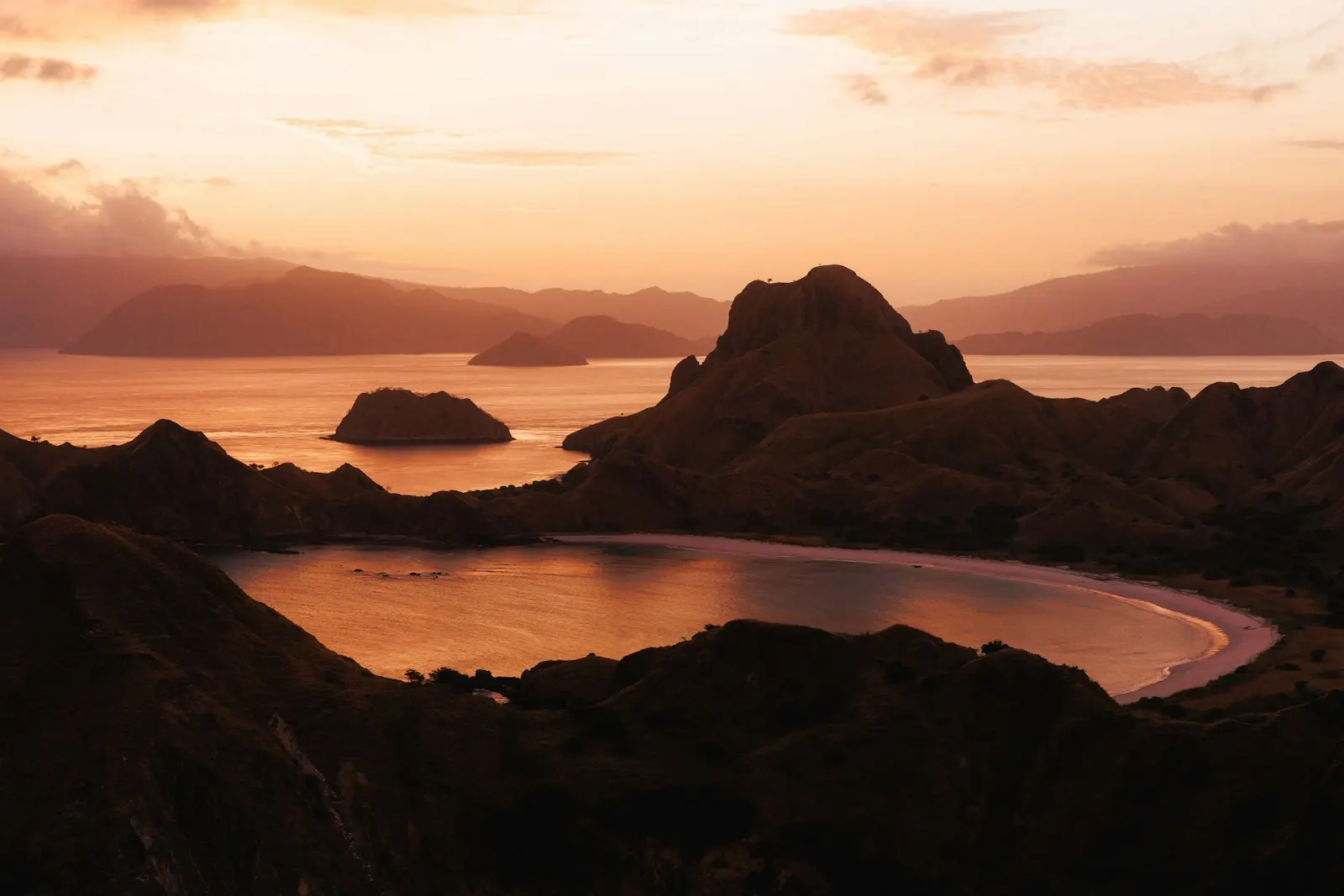
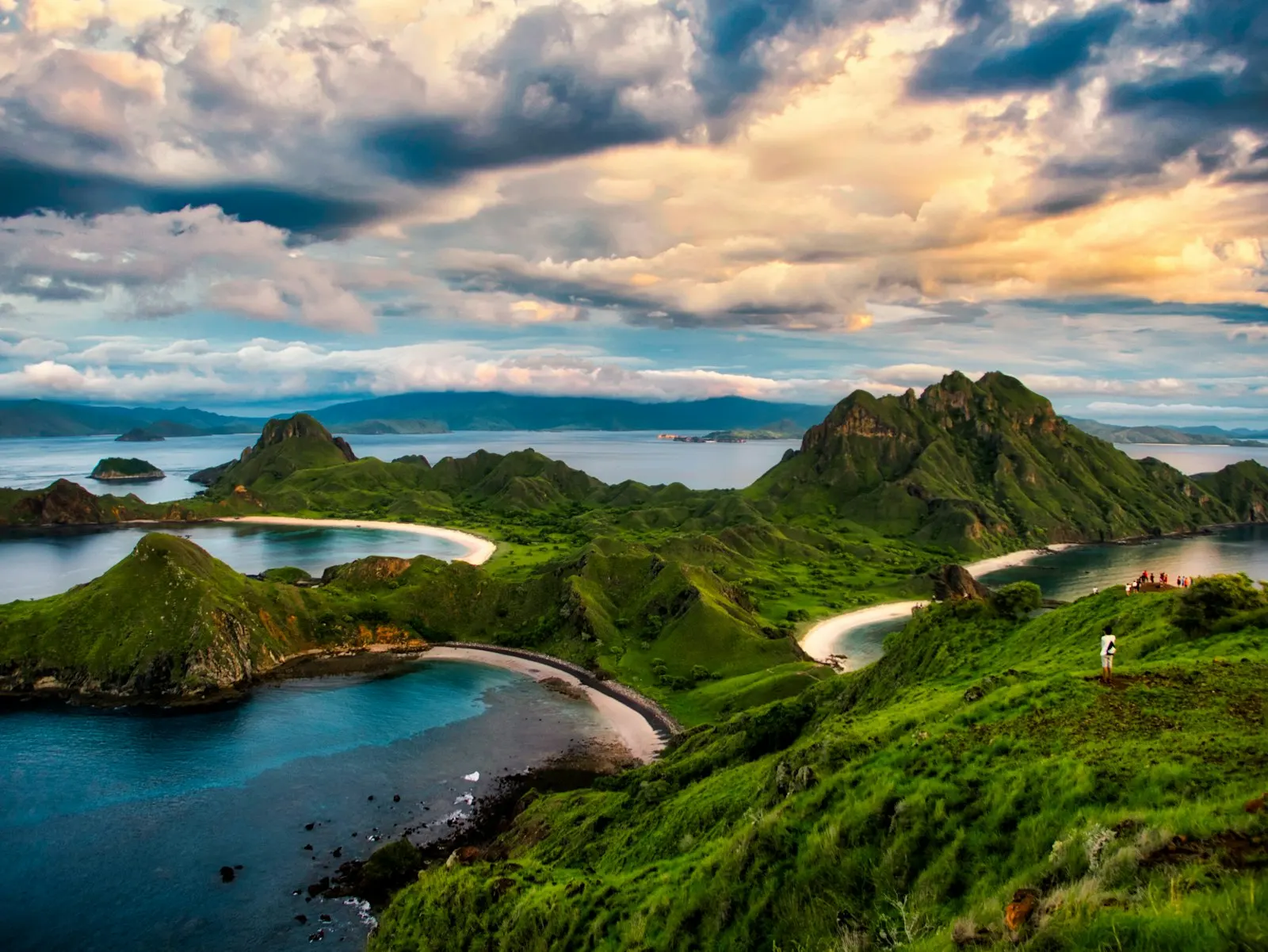
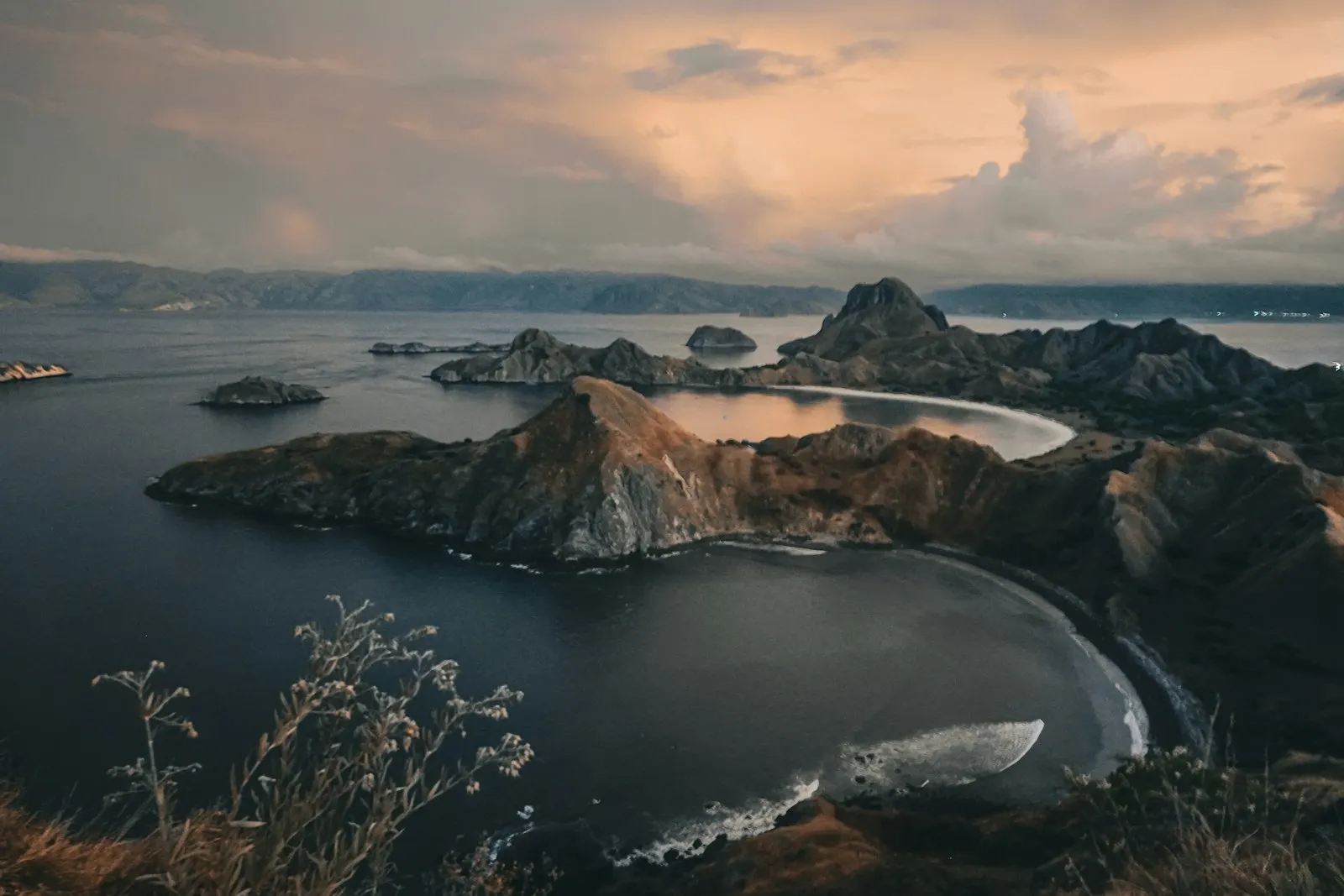
Padar Island offers perhaps the most iconic viewpoint in Komodo National Park. A relatively short but steep hike (approximately 800 steps) leads to a summit where four crescent-shaped beaches — each with sand of a different color (white, black, and two shades of pink) — converge around a central peak. The panorama is truly remarkable.

Mid-content CTA:
Ready to explore these wonders? Let us help you plan your Komodo trip. We provide clear, practical advice, and our team is available via WhatsApp to discuss your ideal itinerary. No one can pay to change what we publish; if you proceed with our partner they may pay us a referral fee at no extra cost to you. Plan Your Komodo Trip Now.

Choosing Your Komodo Adventure: What to Consider

Deciding between a day trip and a liveaboard, or which specific itinerary to choose, depends on several factors:

* **Time:** Day trips are perfect if you have only one day dedicated to the park. Liveaboards require at least two days.
* **Budget:** Day trips are generally more budget-friendly. Liveaboards, especially on private phinisi or yachts, represent a more significant investment for a premium experience.
* **Depth of Exploration:** Liveaboards allow for more relaxed visits to sites, opportunities for multiple snorkeling sessions, and access to more remote locations.
* **Comfort Level:** Speedboats offer quick transit but can be less comfortable in choppy waters. Traditional wooden boats are slower but often provide more space and a more authentic feel. Liveaboards offer overnight comfort.

When you book a Komodo Island boat tour online, consider your priorities. Do you want to maximize your time seeing the main highlights, or do you prefer a leisurely exploration with ample time for snorkeling and relaxation?

FAQs About Pink Beach Komodo

Is Pink Beach Komodo really pink?

Yes, Pink Beach Komodo is genuinely pink. Its distinctive color comes from microscopic red-pigmented organisms called *Foraminifera* that live on the surrounding coral reefs. When these red coral fragments mix with the white sand, they create the beautiful pastel pink hue.

What is the best time of year to visit Pink Beach Komodo?

The best time to visit Pink Beach Komodo is during the dry season, which runs from April to December. During these months, you can expect clear skies, calm seas, and excellent visibility for snorkeling. For fewer crowds, consider the shoulder months of April, May, September, or October.

Can I see Komodo dragons on the same trip as Pink Beach?

Absolutely. Most Komodo National Park tours, whether day trips or multi-day liveaboards, combine a visit to Pink Beach with an excursion to either Komodo Island or Rinca Island to see the Komodo dragons. Your itinerary will typically include both key attractions.

Do I need to pay an entrance fee for Komodo National Park?

Yes, all visitors to Komodo National Park must pay entrance fees. These fees are usually separate from your tour price and are paid directly to the park authorities. They cover various charges including conservation fees, trekking fees, and snorkeling fees. Your tour operator or guide will usually assist with the payment process.

Is snorkeling gear provided on Komodo tours?

Most reputable Komodo tours, especially those including Pink Beach and Manta Point, will provide basic snorkeling gear (mask, snorkel, fins) as part of the package. However, if you prefer to use your own gear for comfort or fit, you are welcome to bring it. Always confirm inclusions when you book a Komodo Island boat tour online.

Pink Beach Komodo is more than just a visually unique destination; it’s a gateway to understanding the rich biodiversity and natural wonders of the Komodo National Park. From its scientific marvel of pink sand to the vibrant underwater world it hosts, and the proximity to the ancient Komodo dragons, every aspect of this region captivates. Planning your visit carefully ensures you make the most of this exceptional Indonesian experience.

Ready to set sail and experience the magic of Pink Beach and beyond? Let us assist you in crafting an unforgettable journey. Our expert team is available via WhatsApp to provide personalized recommendations and help you plan your Komodo trip. Start Planning Your Komodo Adventure.

Plan My Komodo Trip
WhatsAppPlan Trip