Manta Point Komodo: Snorkel & Dive With Manta Rays

Manta Point Komodo: Snorkel & Dive With Manta Rays

Manta Point Komodo is a drift-snorkel and dive site in Komodo National Park where reef manta rays regularly gather to feed and be cleaned. For most visitors, manta point komodo is the best chance to see mantas in the wild on a standard day trip or liveaboard itinerary from Labuan Bajo.

Where Is Manta Point in Komodo National Park?

Manta Point (Makassar Reef on some charts) lies in the central section of Komodo National Park, between Komodo Island and Flores. It’s usually combined with nearby sites like Taka Makassar sandbank, Batu Bolong, and Siaba or Tatawa.

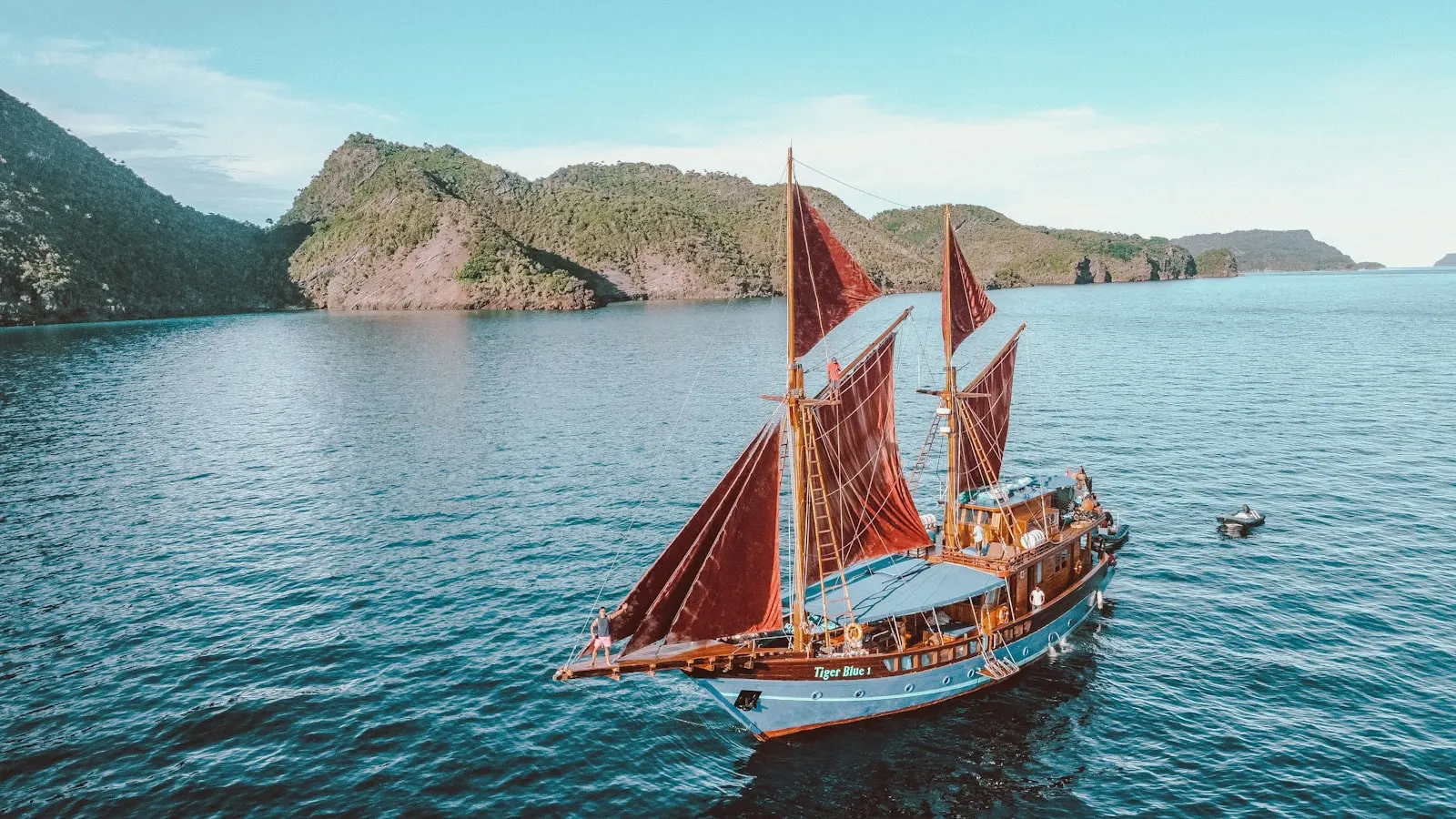
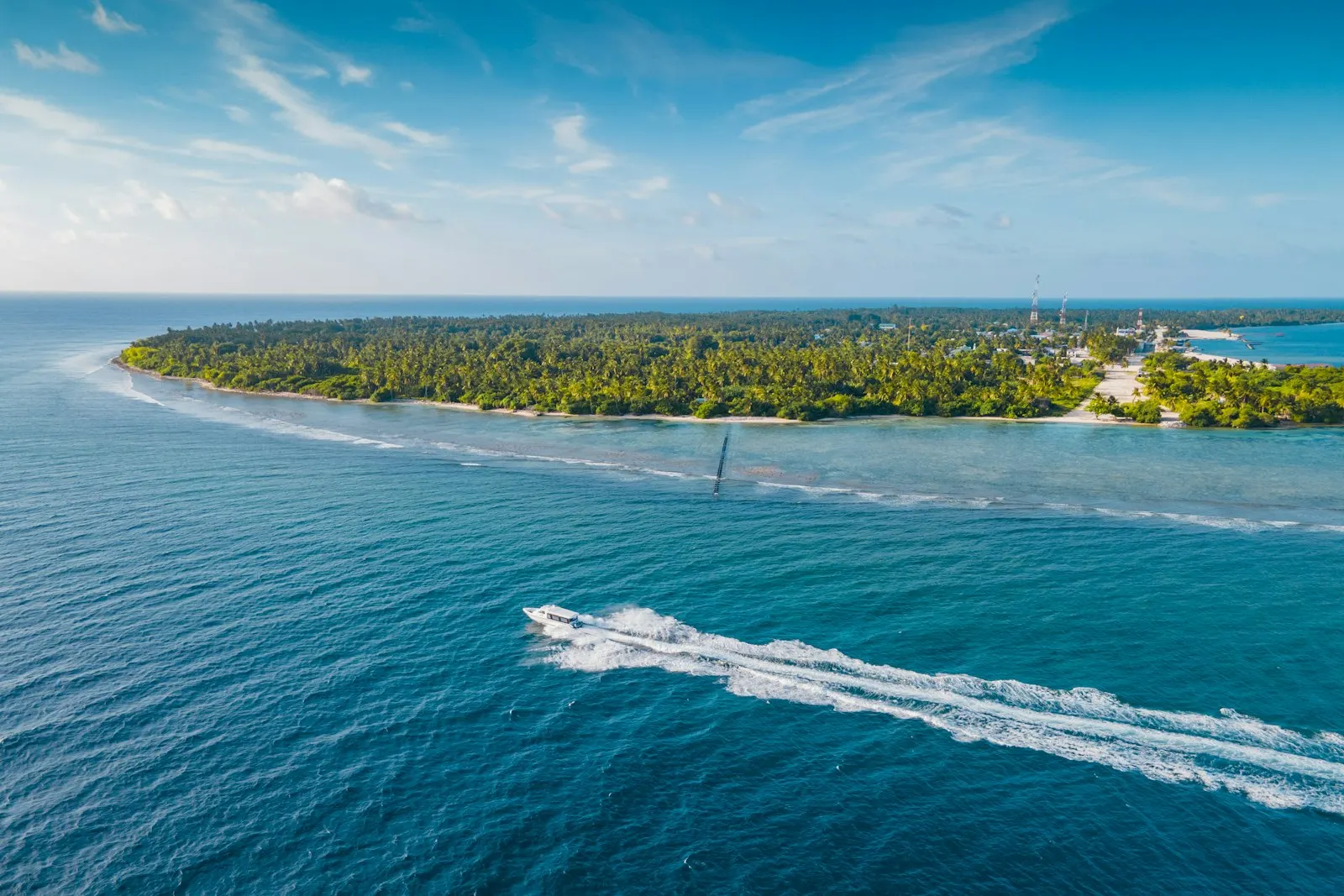
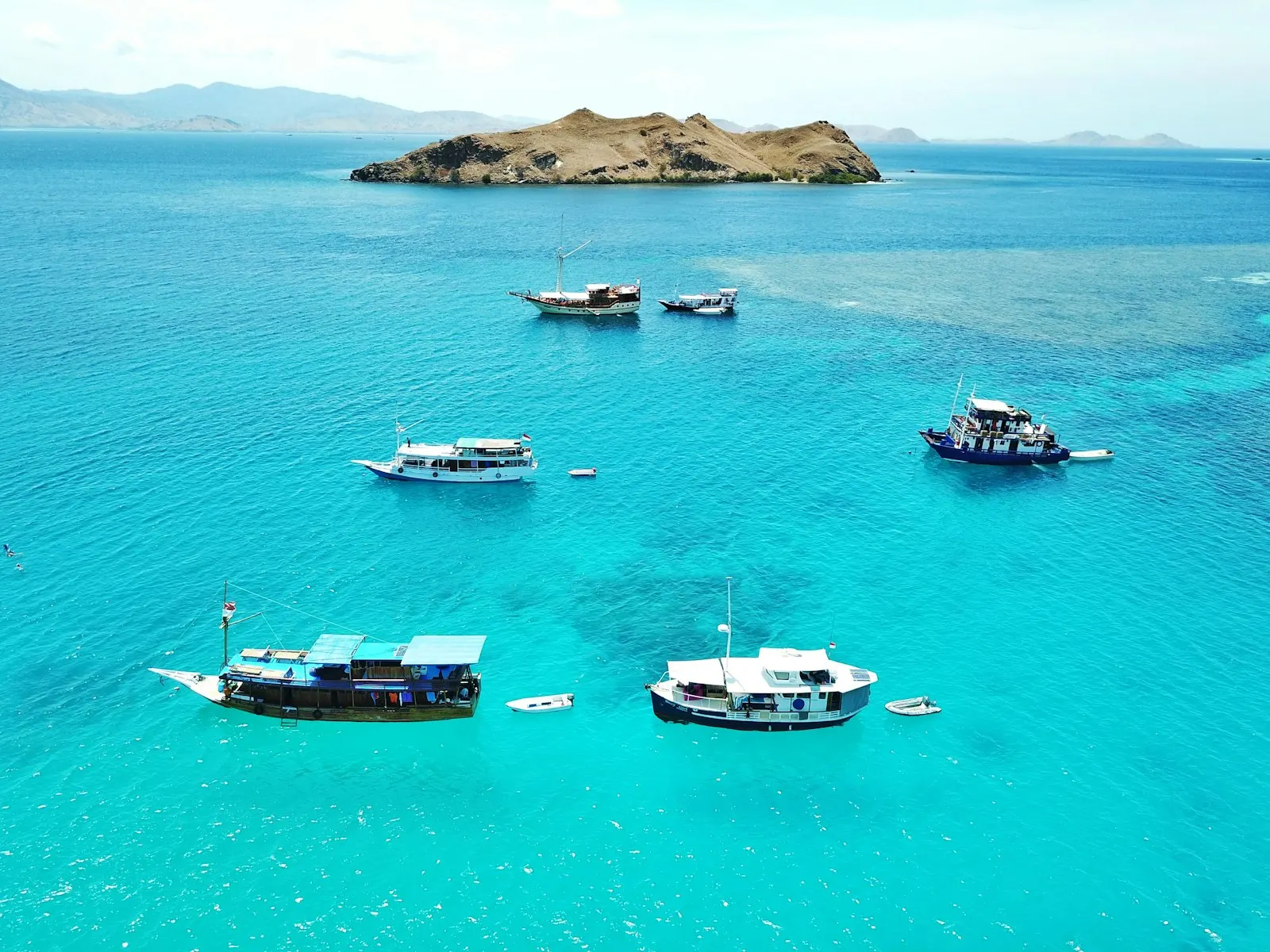
Most day trips from Labuan Bajo reach Manta Point in about 1.5–2.5 hours by fast boat, depending on the vessel and sea conditions. On phinisi liveaboards, it often falls on the “central Komodo” day together with Padar or a night dive.

You cannot visit Manta Point from land; it’s only accessible by boat via organized tour, chartered phinisi, or private yacht.

What Makes Manta Point Special?

Manta Point is not about deep, technical diving. It’s about long, shallow drifts with big animals.

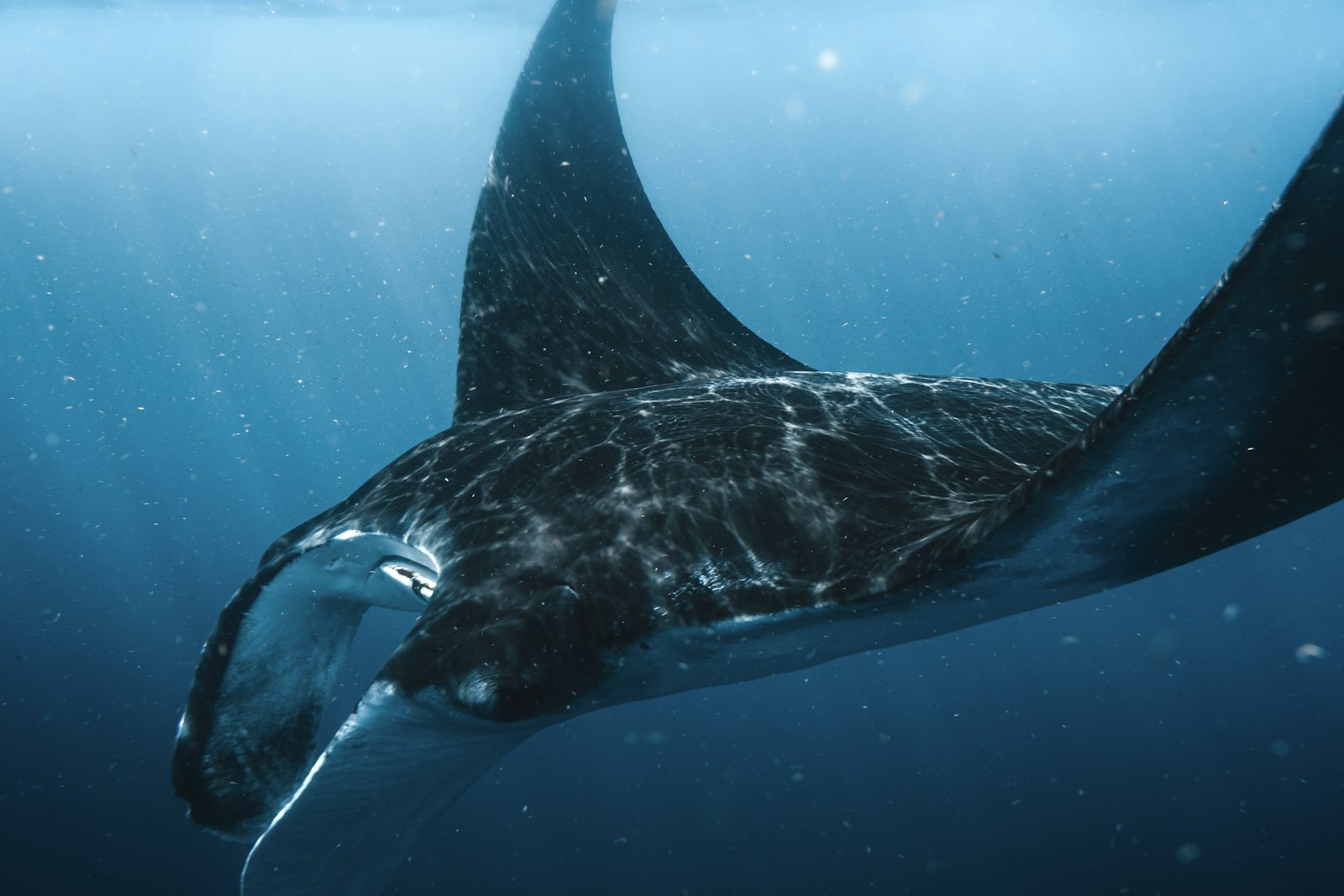
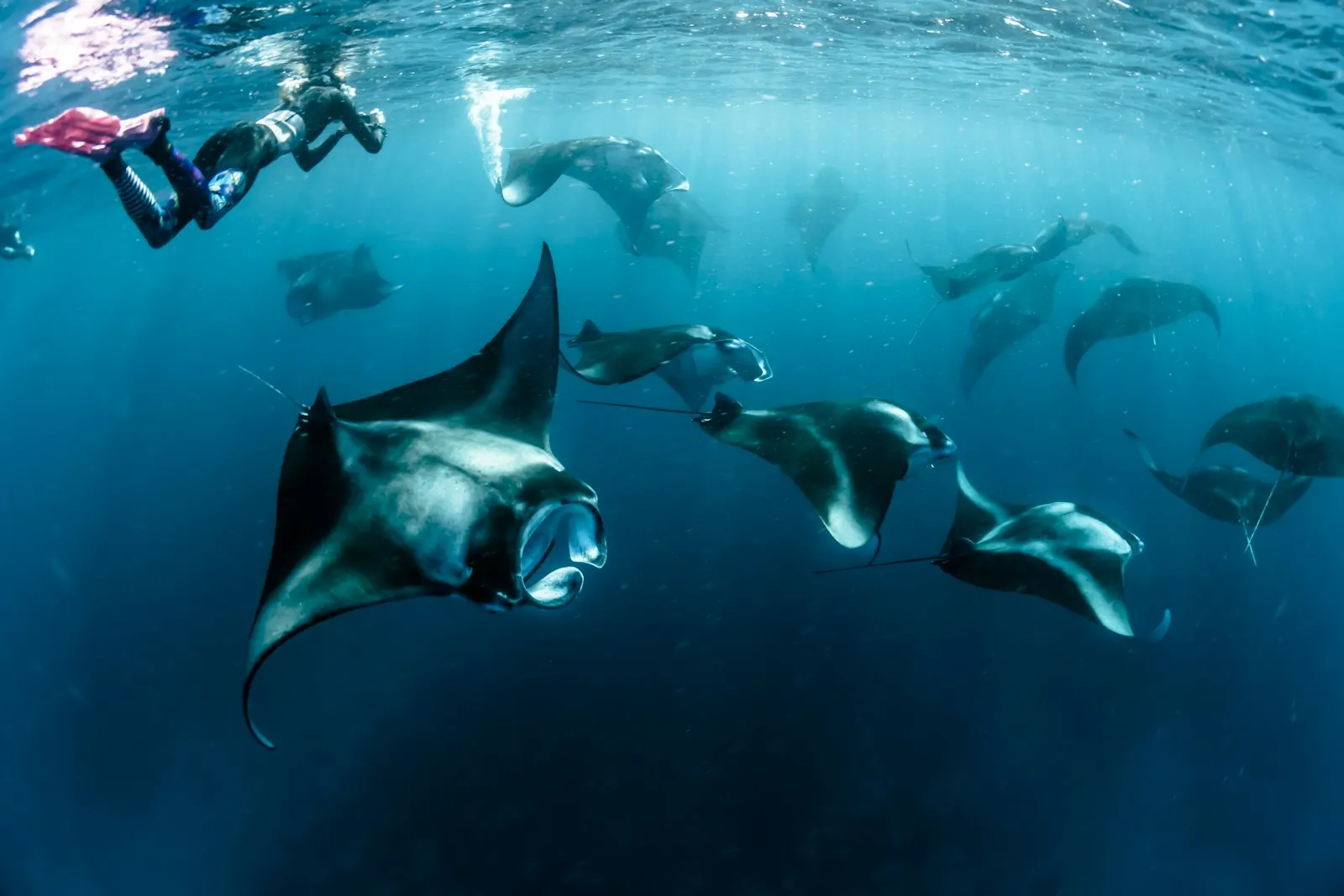
  • Reef manta rays (Mobula alfredi) use the area as a feeding and cleaning zone.
  • Shallow plateau: much of the action is 3–12 m deep, so snorkellers have a real chance to see mantas from the surface.
  • Channel currents funnel plankton, attracting mantas and schooling fish.
  • Soft corals, sponges, and sand patches – not the most colourful reef in Komodo, but very productive.

Sightings are never guaranteed, but this is among the park’s most reliable manta sites across the year, especially December–March when plankton blooms are common.

Snorkelling at Manta Point Komodo

For many visitors on a Padar – Kelor – Taka Makassar – Manta Point day trip, this will be the highlight.

What to Expect in the Water

Most boats follow a similar pattern:

  1. Skipper scans the surface and current lines for manta fins or dark shapes.
  2. Once a group is spotted, snorkellers gear up and enter from the boat in small batches.
  3. You drift with the current across the reef while the boat follows on the surface.

Average snorkel depths are in the 0–5 m range, with mantas often passing between 2–10 m. They may circle feeding stations or glide along the sandy bottom.

Visibility is highly variable. On clear, low-plankton days you may enjoy 15–25 m horizontal visibility; during peak plankton season it can drop to 5–10 m but manta activity may be intense. Both scenarios can be rewarding in different ways.
Is Manta Point Safe for Beginners?

Manta Point is shallow, but it is not a “swimming pool” site. Safety depends heavily on current and operator judgment.

Key points:

  • Currents: Usually moderate, sometimes strong. You’re drifting with the current, not swimming against it.
  • Boat cover: Reputable operators keep the tender or main boat shadowing snorkellers at all times.
  • Flotation: Many trips require non-confident swimmers to wear lifejackets for this stop.

If you are a nervous swimmer, tell your guide before arrival. They can keep you close to the boat, or suggest sitting this one out if the current is running too fast that day.

Snorkel Etiquette Around Mantas

Mantas are large but gentle. Good behaviour is essential for their safety and yours:

  • Stay at least 3–4 m away horizontally; never chase or try to touch.
  • Do not dive down to block their path at cleaning stations; stay to the side.
  • Keep arms tight, fins low. Sudden splashing can scare them off.
  • Never stand on coral or rocks; wait in open sand or float on the surface.
  • Follow your guide’s instructions on where to drift and when to board.

Many boats now give a manta briefing before arrival – an excellent moment to ask questions and clarify signals.

Diving Manta Point: Conditions, Depths, and Skills

For certified divers, Manta Point is typically an easy–moderate drift dive with manageable depths and the chance of long encounters.

Typical Dive Profile

  • Depth: 8–18 m on average, with some sand patches shallower and some channels slightly deeper.
  • Bottom: Sandy plateaus interspersed with coral bommies and cleaning stations.
  • Dive type: Drift – you follow the current while the boat tracks your SMB.
  • Water temperature: Often 26–29°C, but thermoclines can drop it to the low 20s.

Most operators use an SMB (surface marker buoy) either on a reel from the guide or deployed at the safety stop, as boat traffic can be busy on popular days.

Required Experience Level

Manta Point is suitable for:

  • Open Water divers with comfortable buoyancy in current.
  • Advanced divers who want long, relaxed encounters rather than depth.

It is less suitable for:

  • Discover Scuba divers on their first-ever dive if the current is strong.
  • Divers who struggle with equalization or panic in moving water.

Discuss your experience honestly with your dive centre. Good Komodo guides will adjust site choice based on tide, your comfort, and the broader day’s plan.

Best Season to See Mantas at Manta Point

Mantas can be seen at Manta Point any month of the year, but activity patterns change with seasons and plankton.

Seasonal Overview

  • Dec–Mar (west monsoon, wetter months): Often considered the most reliable period for mantas at Manta Point and nearby cleaning stations. Plankton increases; visibility can decrease, but feeding activity is frequent.
  • Apr–Jun: Transitional period. Good balance between clearer water and regular sightings. Often a sweet spot for mixed snorkel/dive trips.
  • Jul–Sep (dry, high season): Generally better visibility overall, but plankton patches can be more localized. Manta sightings still common but can feel more hit-or-miss day-to-day.
  • Oct–Nov: Another transitional period with potential for very good conditions and fewer crowds than mid-year peak.

Weather and sea conditions can shift year to year. No operator can guarantee wildlife sightings, and any that do should be treated with caution.

Which Komodo Trips Include Manta Point?

Manta Point is one of the signature central-Komodo stops and is included on many itineraries from Labuan Bajo, both day trips and multi-day liveaboards.

Classic Day Trip: Padar – Kelor – Taka Makassar – Manta Point

One of the most popular routes from Labuan Bajo is often described as:

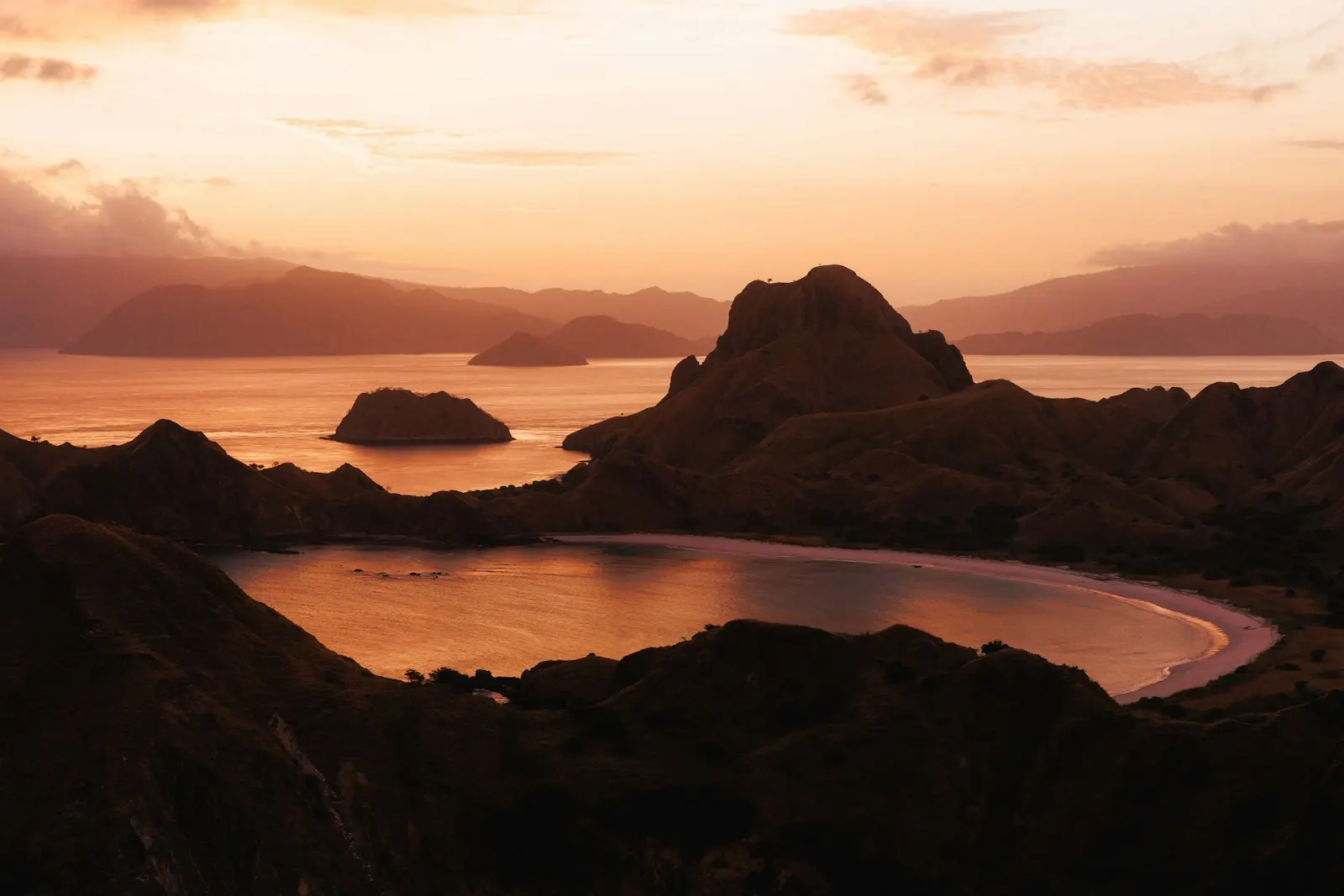
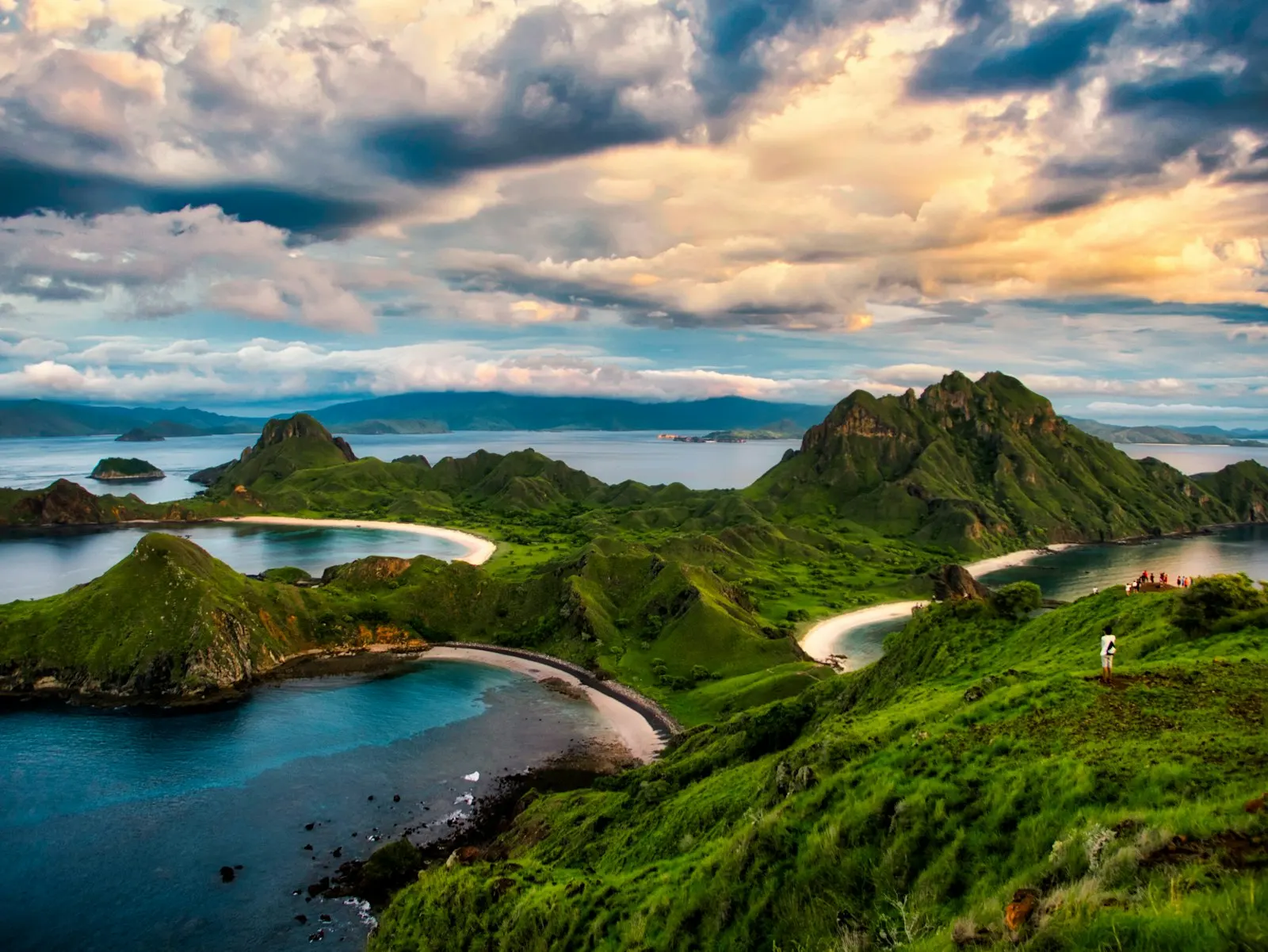
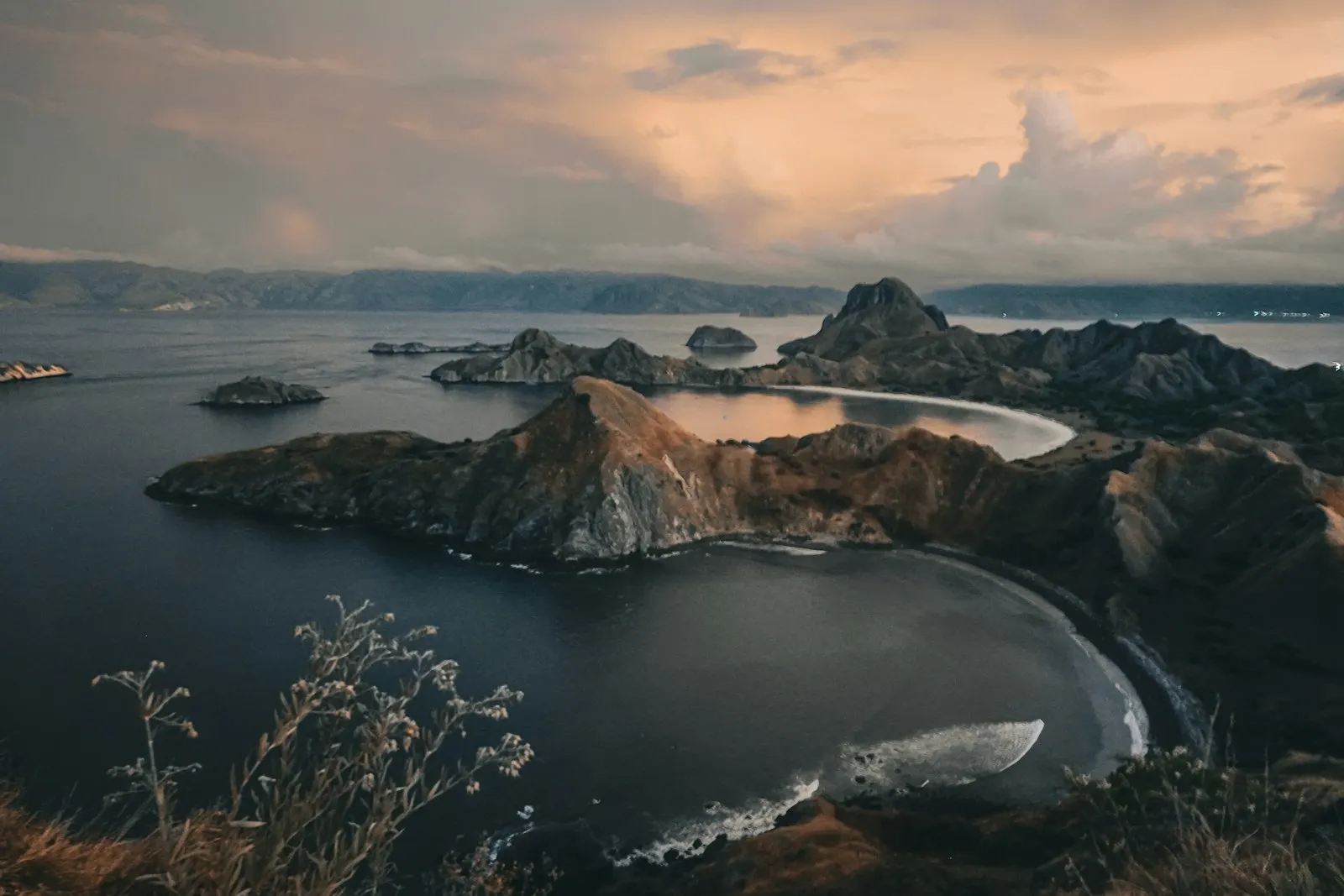
  • Padar sunrise trek
  • Komodo dragons (Komodo Island or Rinca Island, depending on park management and operator schedule)
  • Taka Makassar sandbank
  • Manta Point drift snorkel
  • Kelor Island snorkel or viewpoint hike on the way home

Some versions are marketed as a Padar – Kelor – Taka Makassar – Manta Point day trip, with the dragon walk conducted at Komodo or Rinca in the middle of the day.

If you’re specifically keen on mantas, confirm with your operator that Manta Point (or a similar manta site) is on the plan, and understand that captains may still adjust stops for safety based on tide and weather.

Liveaboard Phinisi & Dive Cruises

On 2D1N, 3D2N, or longer phinisi cruises, Manta Point usually appears:

  • On a “central Komodo” day paired with Batu Bolong, Tatawa, or Siaba.
  • As a snorkel option for non-divers while divers do a manta-focused dive.

Diving-focused liveaboards may also visit deeper manta cleaning sites elsewhere in the park, using Manta Point as one part of a broader manta itinerary.

For sample cruise classes and how they differ, see Komodo Ticket’s broader coverage of phinisi and yacht options, then plan your trip with our team via WhatsApp for up-to-date route ideas.

Manta Point vs Other Komodo Highlights on the Same Route

Many visitors bundle Manta Point with Komodo dragons, Padar viewpoints, and Kelor snorkelling. Here’s how these pieces fit together.

Komodo Dragons: Komodo Island vs Rinca Island

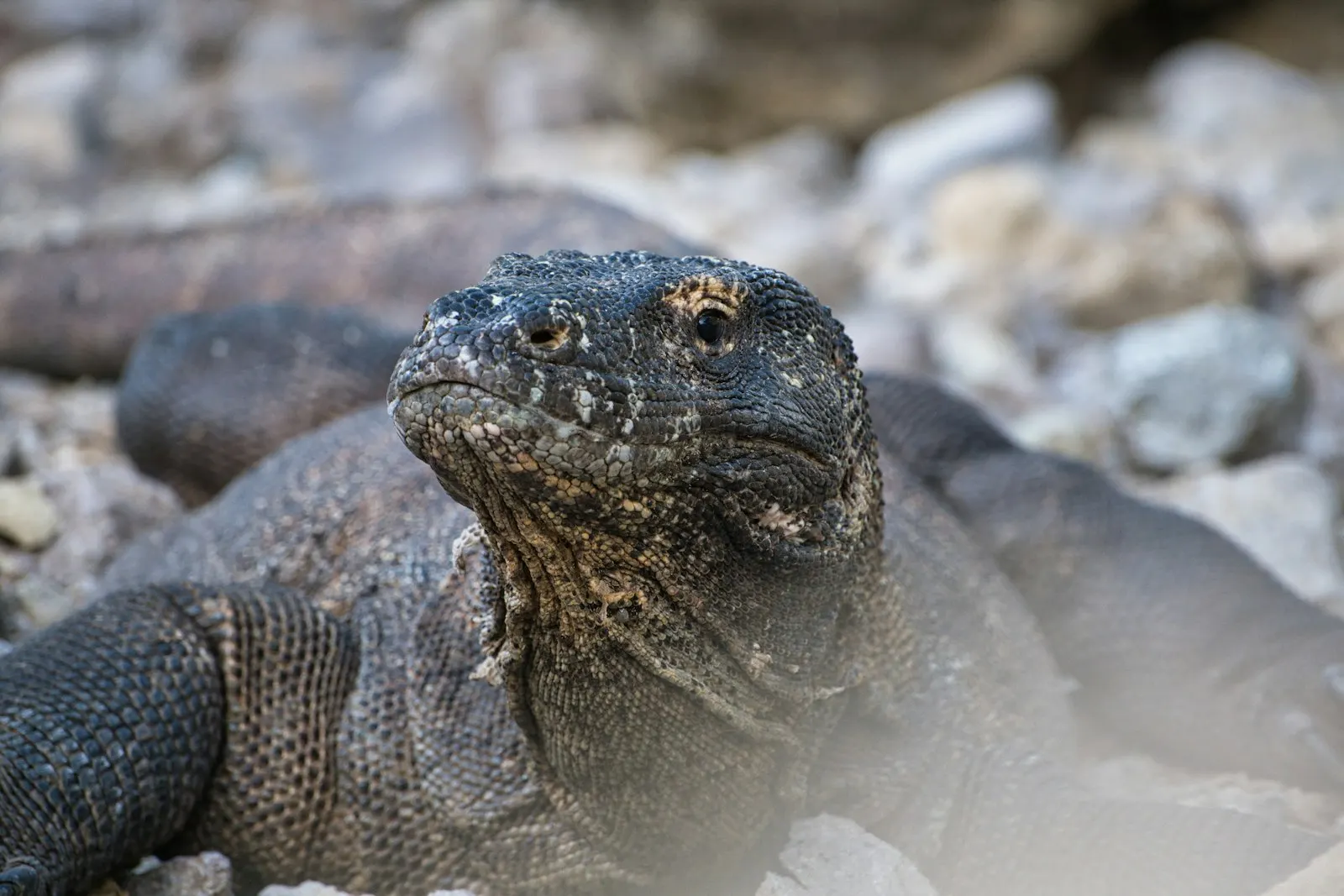
Most dragon walks are done on either Komodo Island or Rinca Island. Travellers often ask about the difference between Komodo Island and Rinca for dragons, especially when they see both listed on similar tours.

Komodo Island
Feels wilder and larger; walks can be longer with more open savanna. Access is usually via Loh Liang ranger station.
Rinca Island
More compact, with a higher chance of seeing dragons near the ranger station itself. Main access is via Loh Buaya, which has a boardwalk and viewpoints.

The standard Rinca Island trek length and difficulty are suited to most ages with basic fitness. Guided paths are generally 30–90 minutes, from easy boardwalk loops to slightly steeper hill options; your ranger will suggest a route based on group ability and heat.

Current national-park policy can shift traffic between the islands, so some itineraries may favour a Rinca Island Komodo dragon tour from Labuan Bajo while others aim for Komodo Island on certain days. Either way, your park ranger is mandatory and can be arranged on arrival or via online booking Komodo dragon ranger tour services that coordinate tickets and time slots.

For budgets, a komodo dragon tour from Labuan Bajo price typically combines:

  • Boat cost (shared fast boat, wooden boat, or phinisi)
  • National park fees (scaled by day, activity, and nationality)
  • Local ranger guiding fee on Komodo or Rinca

Total per-person day-trip ranges last verified June 2026 are broad and depend on boat class and group size. Expect roughly mid- to high-USD double digits on basic shared boats, up to low USD hundreds on premium fast boats and phinisi day charters.

Kelor Island: Snorkelling and Viewpoint

Kelor is often your first or last stop on a multi-site Komodo itinerary.

  • Snorkelling: Shallow coral fringe around much of the island.
  • Depth: Kelor Island snorkeling depth and visibility vary by tide, but beginners often stay in the 1–4 m range near shore, with clearer water toward the drop-off.
  • Viewpoint: A short, steep hike (10–20 minutes) to the ridge for views back toward Flores.

Compared to Manta Point, Kelor is calmer and more about coral and fish than big pelagics, making it a gentle counterpoint to the adrenaline of mantas and dragons.

Taka Makassar Sandbank & Tide Considerations

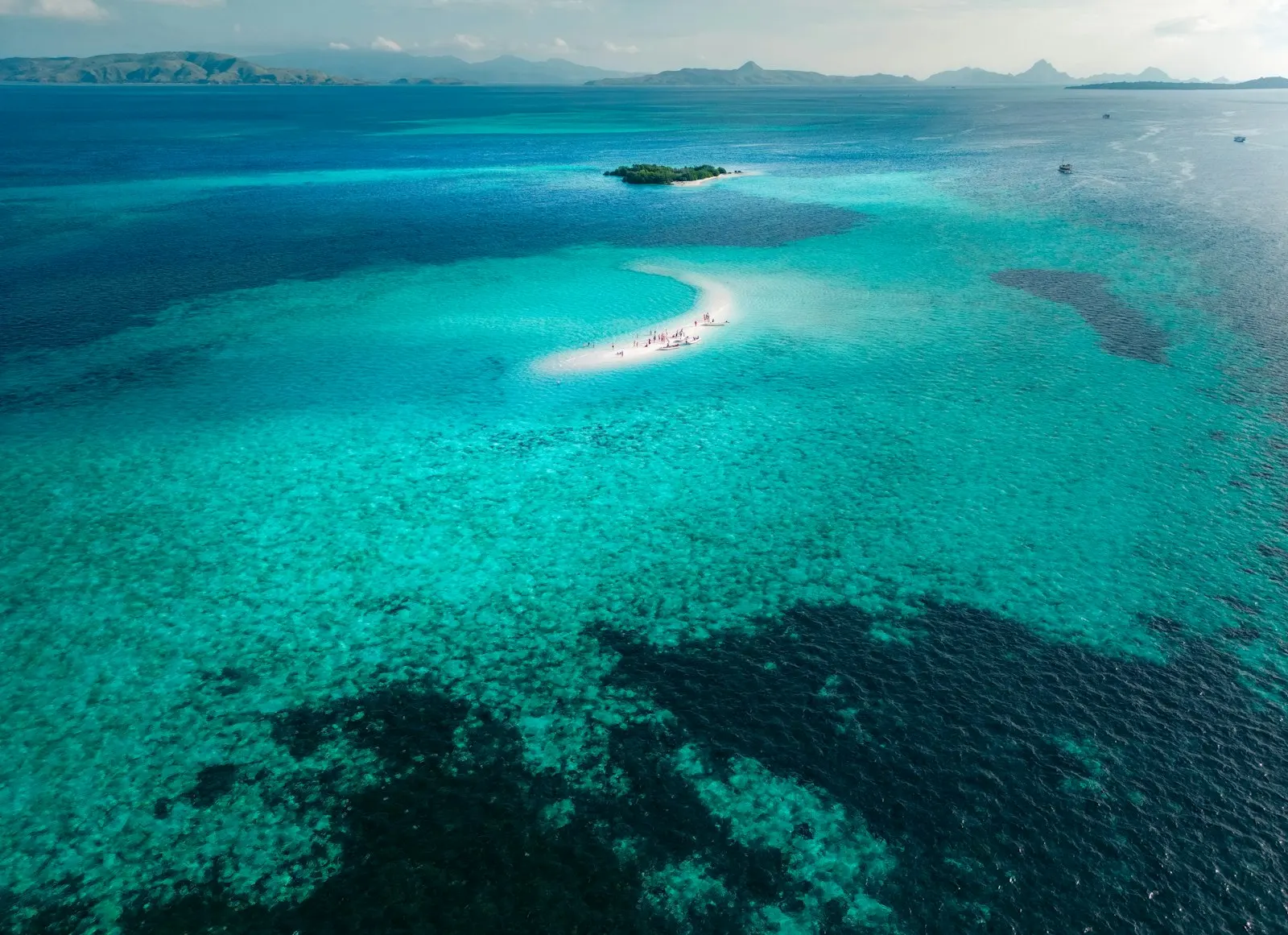
Taka Makassar is a low-lying sandbar and reef system in the same central area as Manta Point. Many trips pair the two stops.

Because it’s a shallow sandbank, Taka Makassar sandbank tide times Komodo matter. At higher tides the sandbank may partially submerge, leaving less dry area to walk. At lower tides you get a classic white-sand curve with turquoise shallows for wading and easy snorkelling.

Your captain will often plan the order of Manta Point vs Taka Makassar based on tide charts:

  • High or rising tide: More depth over coral, more wading space.
  • Lower tide: More exposed sand, but some sections become too shallow for safe boat approach.

Because of these variables, be flexible. Mantas might come first or last, or, on less cooperative days, become a quick scan rather than a long drift.

Conditions, Safety, and Environmental Responsibility

Komodo’s central channels, including Manta Point, are defined by tides and currents. Respecting that is key to a good day.

Water Conditions You Can Expect

  • Currents: From light to strong, changing with the tide cycle. Your captain times arrival to more manageable phases when possible.
  • Swell: Usually moderate but can build in strong winds; the site is semi-exposed.
  • Visibility: Variable, average 10–20 m, sometimes lower in peak plankton season or after heavy rain.

Always listen to your guide’s briefing. If they cancel or shorten a manta stop due to safety, that is their professional responsibility, not a small inconvenience.

Reef and Wildlife Protection

Komodo National Park is a protected area. To keep Manta Point healthy:

  • Do not touch or ride mantas, turtles, or other fauna.
  • Avoid contact with coral – no standing, no holding on, no kneeling for photos.
  • Use reef-safe sunscreen or long-sleeve rash guards to reduce chemical runoff.
  • Keep plastics and loose items on the boat; Komodo currents move trash quickly.

Many operators now brief guests on manta identification and citizen science. If you take clear photos of manta bellies, you can later contribute to ID projects that track individuals by their spot patterns.

Choosing a Trip That Truly Includes Manta Point

Not every Komodo itinerary that mentions mantas will definitely stop at Manta Point on the day you go. Before you book:

  • Ask if Manta Point or another manta site is part of their usual route on your chosen date.
  • Confirm the boat type and size – this affects travel time and comfort in channel crossings.
  • Check maximum group size for snorkelling and diving; smaller groups mean better manta etiquette.
  • Clarify snorkel vs dive options if you’re travelling with mixed experience levels.

Komodo Ticket focuses on trip planning and information, with bookings operated by Komodo Luxury and select partners. No one can pay to change what we publish; if you proceed with our partner they may pay us a referral fee at no extra cost to you.

To compare realistic routes and decide if a manta-focused day fits your schedule, you can plan your trip with our team via WhatsApp – we’ll talk you through tide, season, and comfort level, not just list prices.

Quick Comparison: Manta Point vs Other Common Komodo Stops

Site Main Experience Typical Depth (main activity) Skill Level Commonly Combined With
Manta Point Manta rays, drift snorkel/dive Snorkel: 0–5 m; Dive: 8–18 m Beginner–intermediate (comfortable in current) Taka Makassar, Batu Bolong, Padar
Taka Makassar Sandbank, shallow reef, relaxing swim 0–3 m near sandbank Beginner Manta Point, central reef sites
Kelor Island Short hike + easy snorkelling 1–4 m near beach Beginner Padar, Rinca/Komodo, Manta Point
Rinca Island Komodo dragon trek On land Easy–moderate walking Padar, Kelor, central snorkel sites
Komodo Island Komodo dragon trek On land Easy–moderate, some longer paths Pink Beach, Manta Point (longer routes)

How to Fit Manta Point Into Your Komodo Itinerary

Your time window in Labuan Bajo largely determines the best way to include Manta Point:

  • 1 full day: Consider a Padar – dragons – Taka Makassar – Manta Point – Kelor shared fast-boat trip for maximum variety.
  • 2–3 days: A 2D1N or 3D2N phinisi lets you see Manta Point with more relaxed timing and additional dive/snorkel sites.
  • 4+ days: Add northern or southern Komodo, extra manta sites, and quieter reefs away from day-trip crowds.

If mantas are your top priority, tell the planner from the start so they can align your dates with a route that usually includes the site and fits the tide cycles.

For tailored advice based on your dates and comfort level in the water, you can plan your trip with our local desk on WhatsApp – we’ll help you decide if a manta-focused itinerary makes sense for your season and budget.

FAQs About Manta Point Komodo

Can beginners snorkel at Manta Point Komodo?

Yes, many beginners snorkel at Manta Point, but you should be comfortable floating in open water with some current. Lifejackets are usually available, and you must follow the guide’s instructions closely; if conditions are too strong, the crew may limit who enters or shorten the stop.

Are manta ray sightings guaranteed at Manta Point?

No wildlife sightings can be guaranteed. Manta Point is one of Komodo’s most reliable manta areas with year-round potential, but some days they simply don’t appear at the surface or visibility is too low to see them easily.

Is Manta Point better for diving or snorkelling?

Both are good in different ways. Snorkellers often get excellent overhead views in very shallow water, while divers can position themselves near cleaning stations and stay longer at 8–15 m. Your choice depends on certification, comfort, and the day’s conditions.

What should I bring for a Manta Point trip?

Bring a well-fitting mask and snorkel if you have them, reef-safe sunscreen or rash guard, hat, water bottle, and a dry bag for your phone and camera. Most boats provide fins and basic snorkel gear, but quality varies by operator.

Can I visit Manta Point on a Komodo dragon tour from Labuan Bajo?

Yes. Many Labuan Bajo day trips combine a Komodo or Rinca dragon walk with snorkelling stops at Taka Makassar and Manta Point. Check the detailed itinerary before booking, as not every dragon-focused tour includes the manta site on the same day.

Plan My Komodo Trip
WhatsAppPlan Trip