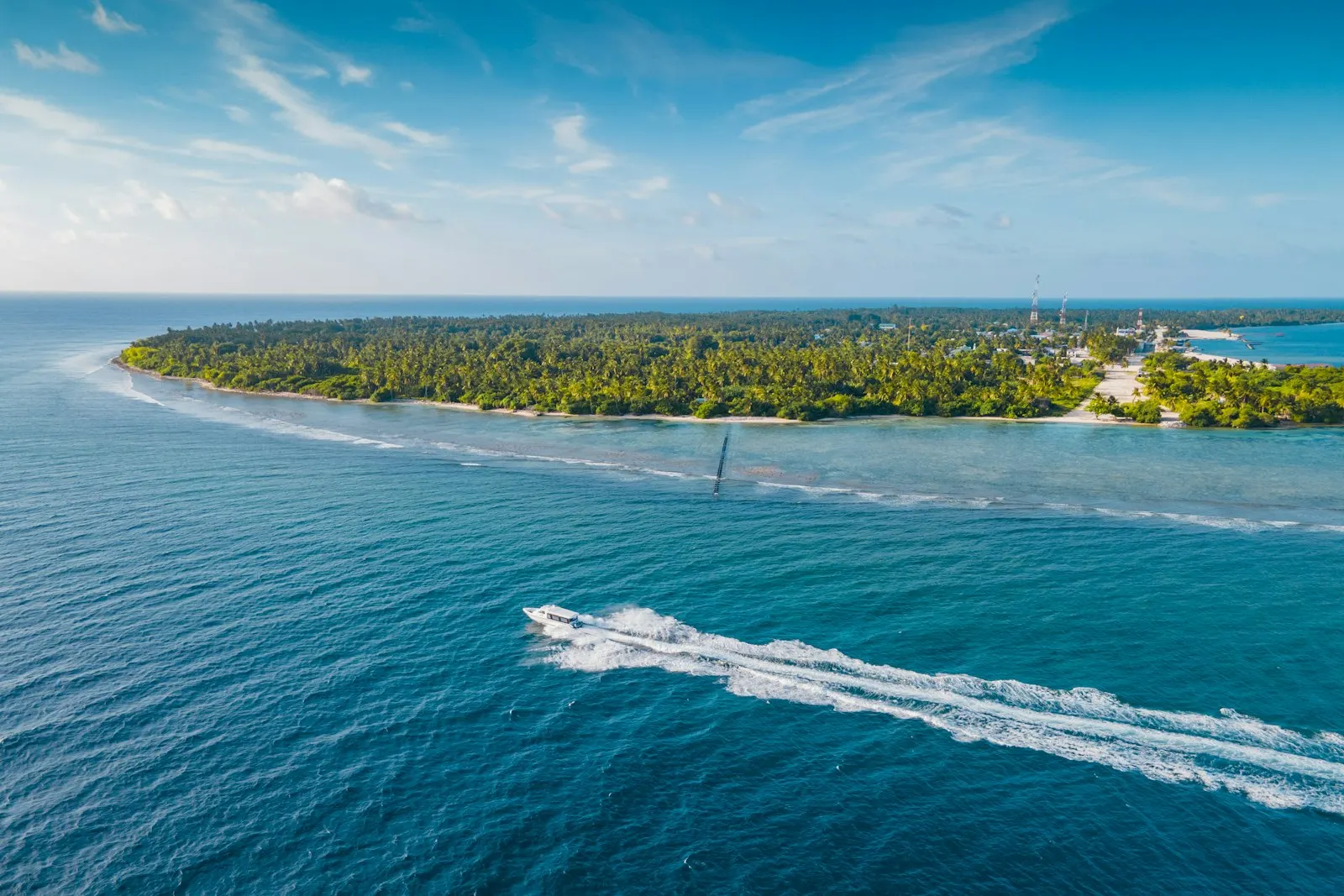
A komodo diving liveaboard is a multi-day boat trip focused on scuba diving inside Komodo National Park, sleeping on board and moving between dive sites by night. It’s the easiest way to reach Komodo’s signature currents, mantas and reef dives in a single, well-planned itinerary.
What is a Komodo diving liveaboard, exactly?
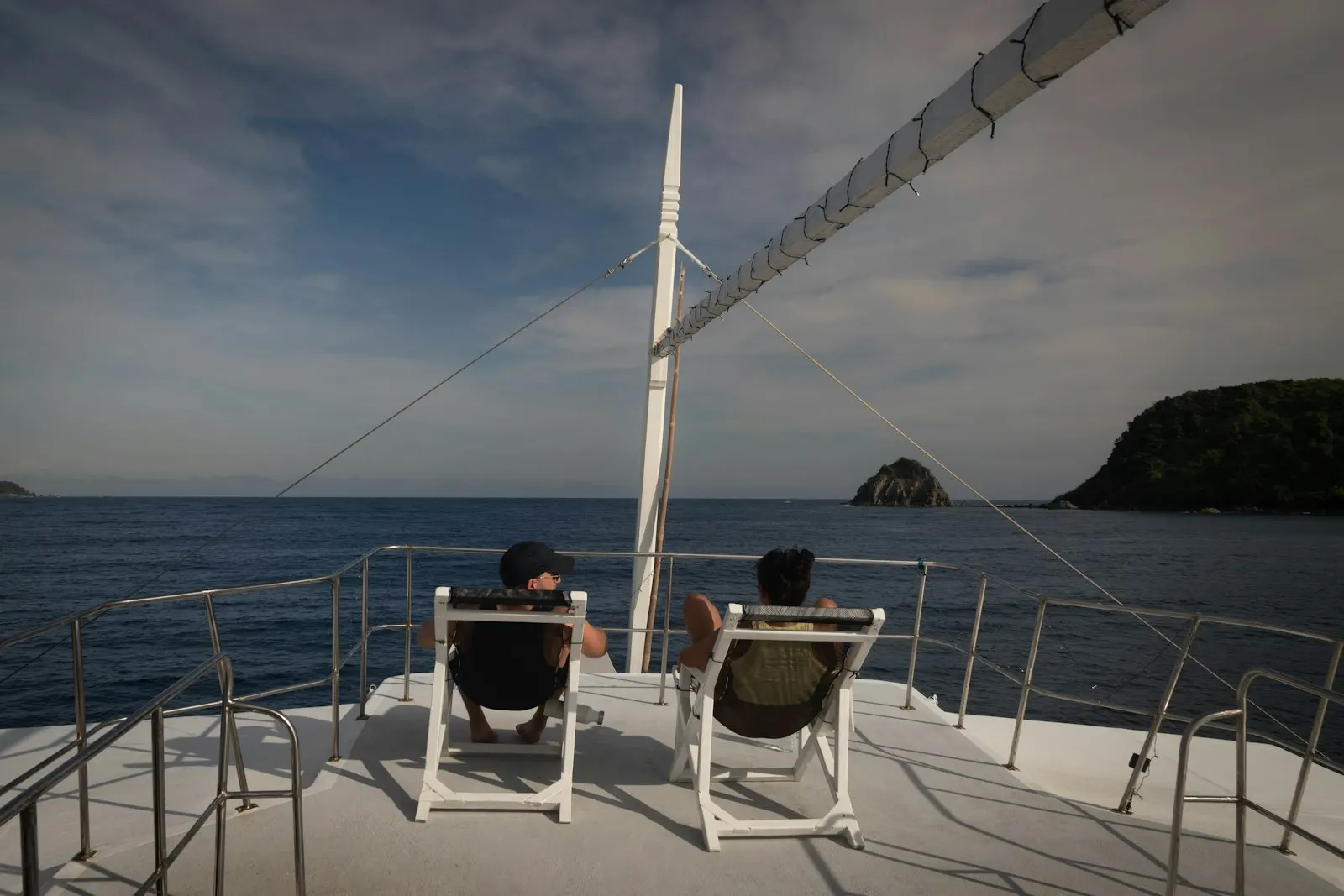
In Komodo, “liveaboard” usually means a wooden phinisi or motor yacht that offers cabins, full-board meals and guided diving. Instead of day-tripping from Labuan Bajo, you stay on the boat for 2–10 nights and use the tender to reach nearby reefs several times per day.
On a dive-focused itinerary, the rhythm is simple: wake up, dive, eat, rest, dive, repeat. Land visits to Komodo dragons or Padar viewpoints are added around the tides and currents.
Liveaboard vs day diving from Labuan Bajo
Labuan Bajo is the main gateway town and day-dive base for Komodo. Day boats are good for a quick taste, but they’re limited by travel time and park fees, so they usually focus on the central sites.
| Option | Pros | Cons | Best for |
|---|---|---|---|
| Labuan Bajo liveaboard (2–4 nights) | Maximises dives, sunrise/sunset timings, flexible routes, easy logistics from LBJ. | Higher total cost than a single day trip; fixed schedule once aboard. | Certified divers wanting 8–12 dives in 3–4 days. |
| Day diving from Labuan Bajo | Low commitment, cheaper per day, flexible to bad weather. | Long boat rides, fewer sites, less chance to hit best tides. | Short stays, mixed groups, first taste of Komodo. |
| Longer komodo expedition cruise (7+ nights) | Covers north–central–south, slower pace, more remote sites. | More expensive, needs more time, higher chance of mixed dive experience levels. | Intermediate/advanced divers with a full week to spare. |
For most certified divers flying into Flores, a 3-night Labuan Bajo liveaboard is the sweet spot: enough time to reach a good mix of current, manta and macro sites without committing a full week.
Core Komodo dive areas: north, central, south
Komodo National Park is big, and conditions change sharply between regions. A komodo diving liveaboard can link two or three zones in a single itinerary; day boats rarely manage that.
North Komodo
Style: Warmer water, often 27–29°C, generally clearer visibility, lots of fish, some strong currents.
- Castle Rock – Classic seamount in open water. Often current-swept, with schooling fusiliers, trevallies, occasional grey reef and white-tip sharks, and sometimes dolphins or eagle rays. Usually for Advanced Open Water with comfortable current skills.
- Crystal Rock – Similar to Castle but with more topography and soft corals. Current hooks useful here. Can be phenomenal on a good tide, but unforgiving in the wrong conditions.
- Lighthouse / Cauldron (Shotgun) – Channel dives with a “rollercoaster” downstream section. Manta chances in season, plus sharks and big schools.
Central Komodo
Style: The most-visited zone, midway between current-swept pinnacles and sheltered reefs. Many komodo all inclusive cruise routes spend most of their time here.
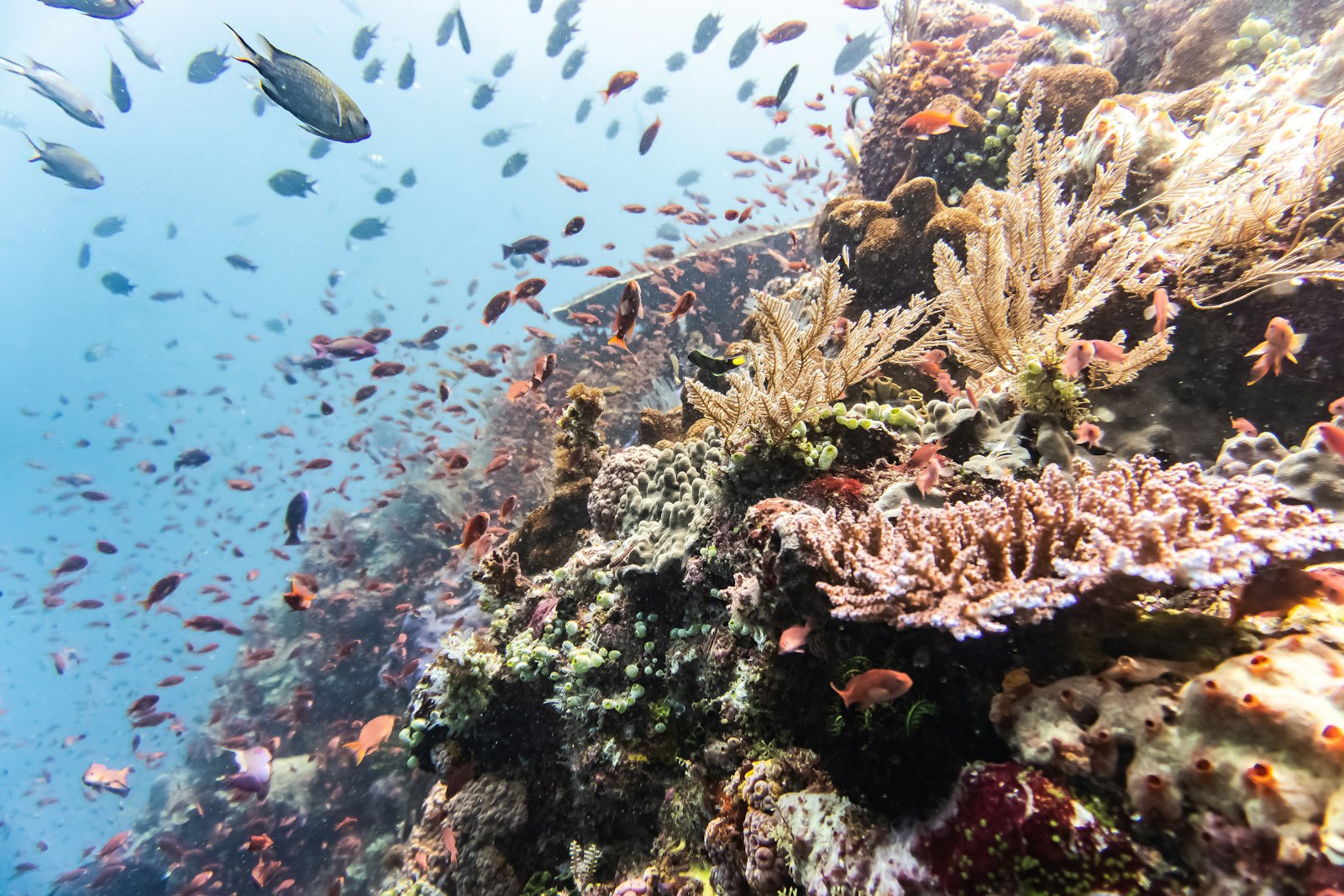
- Batu Bolong – One of Komodo’s signature sites. A solitary rock rising from deep water with dense coral, anthias clouds, turtles, and frequent sharks cruising at depth. Dived strictly on slack tide; currents here can be fierce on the wrong timing.
- Mawan & Siaba Besar/Kecil – Good blend of relaxed reef and mild to moderate current. Manta cleaning or feeding activity is possible at Mawan in season.
- Pink Beach / Pengah / Tatawa – Colourful reefs with schooling fish and turtles. Depending on tide, can be very gentle or a fast drift.
South Komodo & Padar
Style: Cooler water, often 22–26°C, lower visibility but rich nutrients, great for macro and mantas. More seasonal for diving.
- Manta Alley – Southern manta aggregation site exposed to swell and cool upwellings. Quality varies with season, tides, and swell. Some komodo expedition cruise itineraries run here July–September when south conditions are often best.
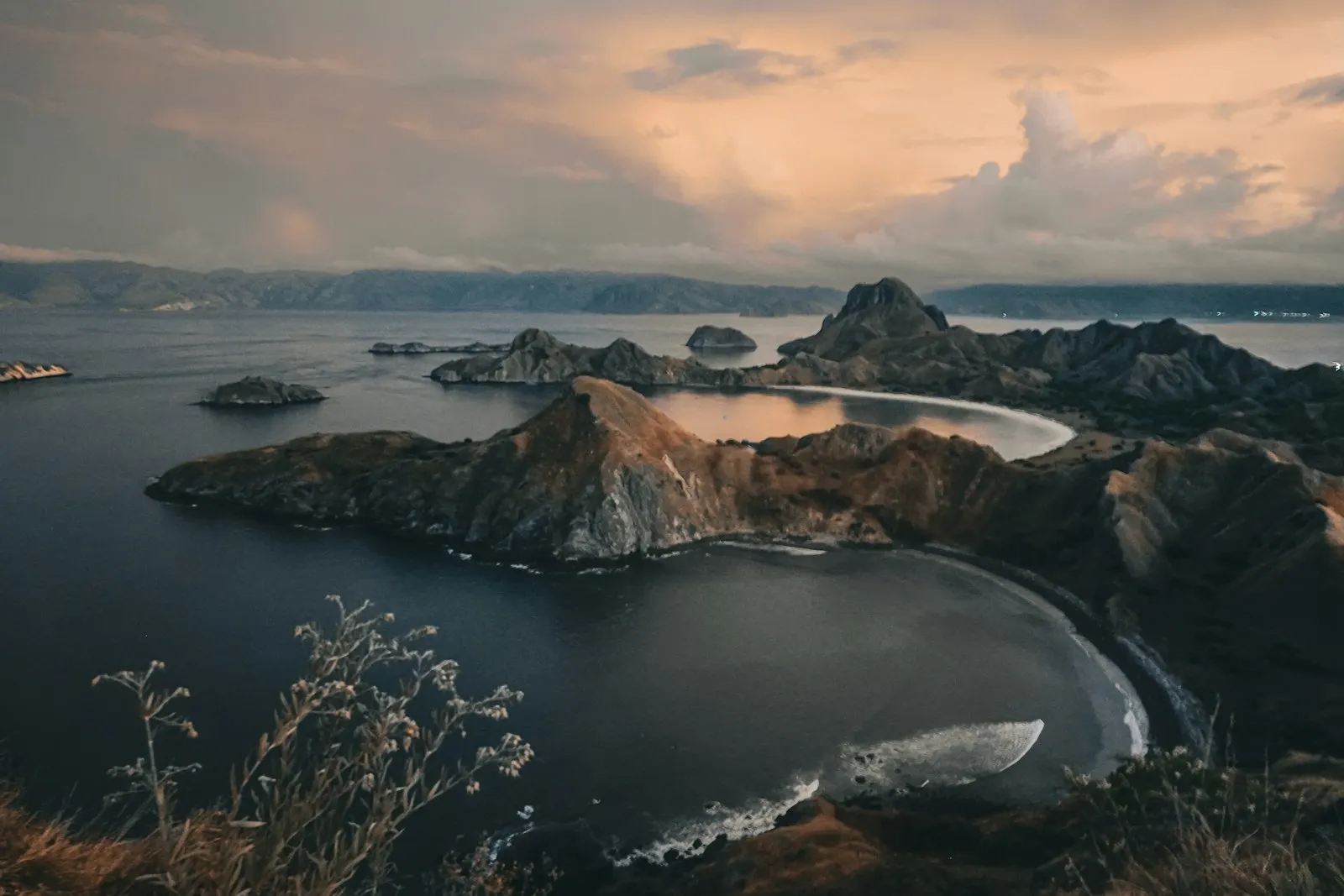
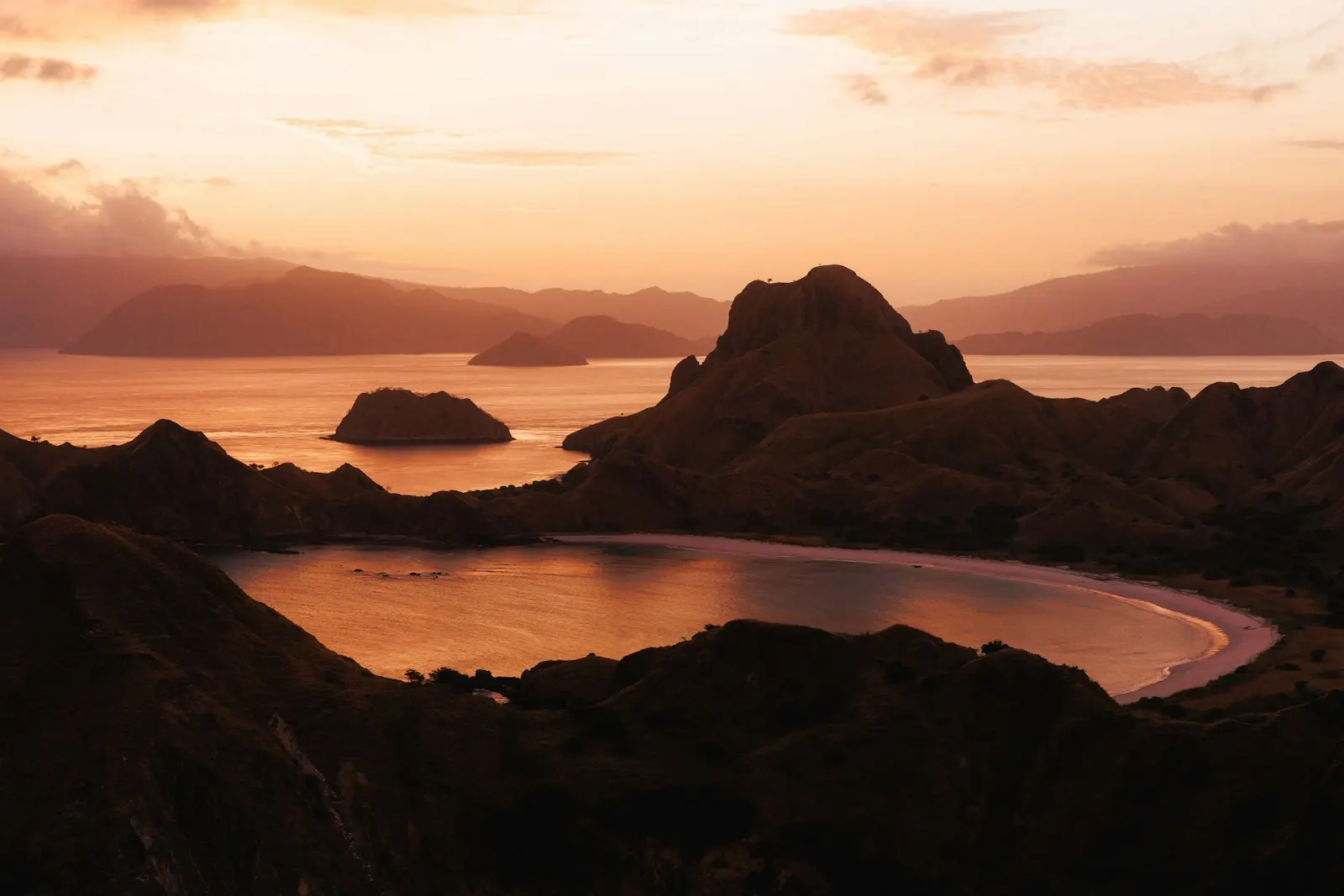
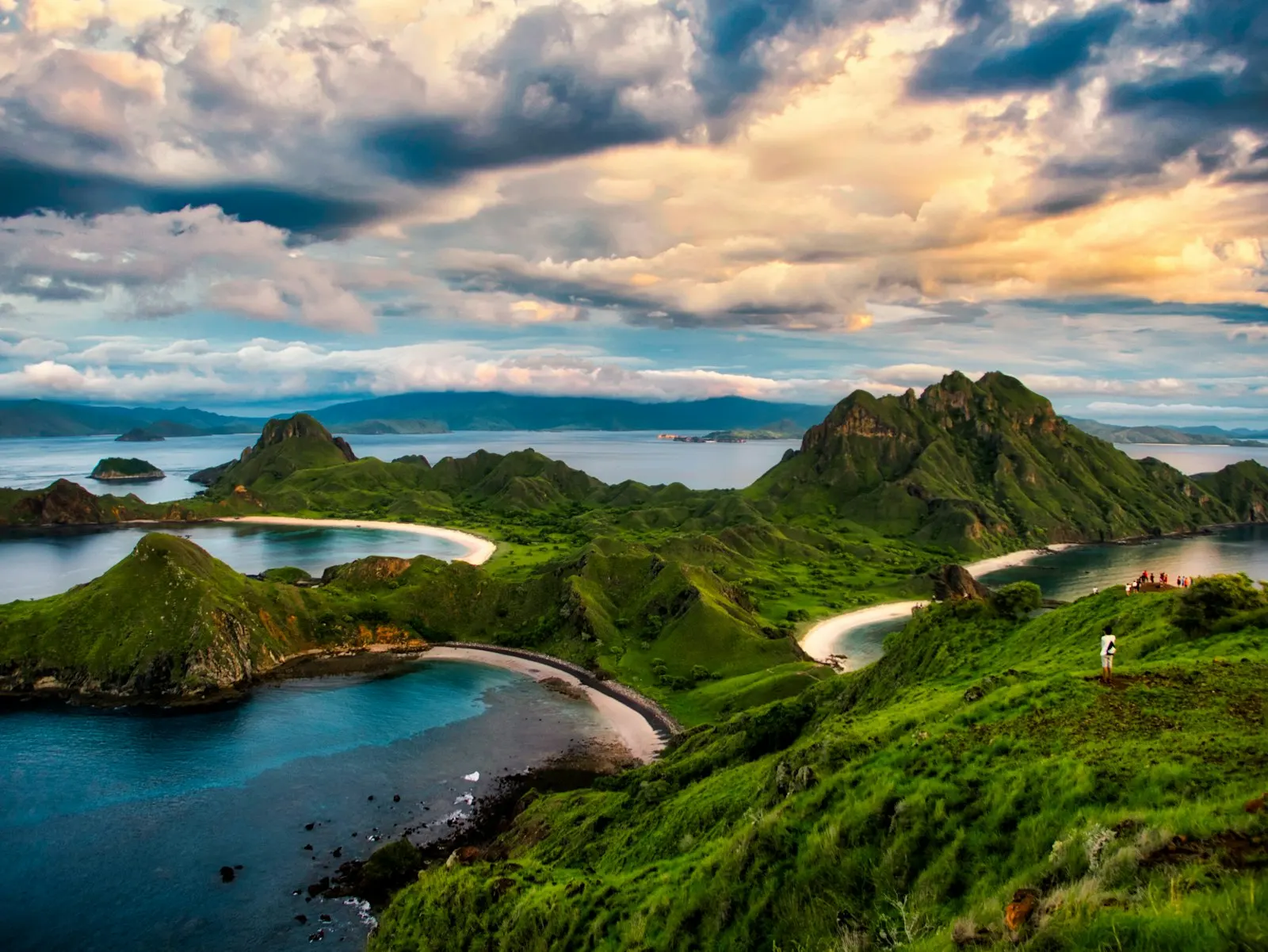
- Padar & Horseshoe Bay area – Steep walls, macro-rich slopes, and cooler thermoclines. Good for those who enjoy critter hunting and dramatic landscapes.
No liveaboard can guarantee every headline site on a short itinerary; tides, wind and park regulations dictate where you can safely and legally dive. Think in “areas” rather than an exact checklist.
Currents, seasons and when to dive Komodo
Understanding currents
Komodo sits in the Indonesian Throughflow, a bottleneck where Pacific and Indian Ocean waters squeeze between the islands. Result: powerful tidal currents and vertical mixing of warm and cool layers.
That’s why the reefs are so healthy and why a komodo diving liveaboard needs an experienced cruise director and local dive guides who understand tide tables, moon phases and site-specific quirks.
- Typical current range
- From gentle drifts to strong, advanced-level flows, changing hour by hour with the tide.
- Skill required
- Good buoyancy, comfort in moderate current, experience with negative entries on some sites.
- Tools
- SMB and reel strongly recommended; current hooks used on some pinnacles.
Best seasons for a komodo diving liveaboard
Komodo is a year-round dive destination, but conditions shift across the calendar:
- April–June: Often considered one of the best windows. Generally good visibility in north and central, lush green islands after the rains, fewer boats than high season. Water temps 27–29°C in the north/central, slightly cooler in the south.
- July–September: Peak season. Drier, windier, with more chop in the south. Central and north offer excellent diving, mantas frequent in suitable conditions. Southern sites can be at their best for big animals but also their chilliest.
- October–early December: Often calmer seas, warm water, very solid diving in north and central. Transitional mantas still around, and fewer crowds than July–August.
- Late December–March: West monsoon period. Some boats reduce schedule or focus on more sheltered areas. Visibility can be mixed but macro can be excellent; there are still good liveaboard trips, especially for flexible divers.
No operator can guarantee wildlife or perfect visibility. Think in probabilities and patterns rather than promises.
Manta and shark “seasons”
Reef sharks, turtles and pelagics are present year-round. Mantas follow food and cleaning opportunities; they don’t read the calendar.
- Mantas: Sightings are possible in both central (Mawan/Taka Makassar area) and south (Manta Alley) across much of the year, with different peaks depending on plankton and currents.
- Sharks: White-tip and grey reef sharks are common on current-exposed sites like Castle, Crystal and Batu Bolong at almost any time, with numbers influenced by tide and diver pressure.
Who a Komodo diving liveaboard suits (and who it doesn’t)
Ideal guests
- Certified divers with at least 20–30 logged dives who are already comfortable in mild current and good with buoyancy.
- Couples or friends mixing divers and non-divers choosing a komodo all inclusive cruise that offers snorkeling, beaches and a Komodo dragon walk alongside diving.
- Time-poor travellers who want maximum underwater time in 3–4 nights instead of spending multiple days on separate day trips.
- Photographers who value repeated access to high-energy pinnacles and macro sites under differing light and tide conditions.
Who should think twice
- Total beginners or very anxious divers: It’s possible to learn here, but Komodo is better as a “next step” after easier destinations. A few calm day dives from Labuan Bajo first can help.
- Anyone expecting resort-style privacy: Cabins on most Komodo phinisi are comfortable but compact. You share common spaces and the dive deck.
- Those highly prone to sea sickness: Shorter central itineraries on larger, more stable yachts are an option, but you’re still at sea. Medication and realistic expectations are essential.
Certification & experience: what you really need
Minimum certification level
Most boats expect Open Water Diver with recent experience at a minimum. However, an Advanced Open Water (or equivalent) certification greatly expands your site options and comfort, especially on deeper or more current-exposed sites.
Recommended experience
- Recent diving: Aim for at least 4–6 dives in the last 12 months. If you’re rusty, consider a refresher before boarding.
- Comfort in current: You should be able to descend promptly, hold a stop without grabbing the reef, and deploy an SMB or at least stay close to a guide who does.
- Depth: Many of the best Komodo dives are happily done within 18–25m. Greater depths are not necessary for a rewarding trip.
Courses on a liveaboard?
Some boats allow Advanced or specialty courses during a komodo diving liveaboard, but learning from zero here can feel overwhelming. If you plan to take a course, communicate clearly in advance; it can affect route choice and guide assignments.
Typical 3-night Komodo diving liveaboard itinerary
Below is an example of a 3-night duration package starting and ending in Labuan Bajo. Exact routes depend on season, park regulations and the vessel class you choose, but this gives you a realistic idea.
Day 1 – Labuan Bajo & first dives
- Morning: Airport or hotel pickup in Labuan Bajo, harbor transfer and boat briefing. Cabin allocation, safety demo, gear setup and check-out dive briefing.
- Midday: Check dive in a sheltered central site (for example, around Sebayur or Siaba Besar). Focus on weighting, buoyancy, and getting comfortable with the guides.
- Afternoon: 2nd dive on a gentle reef or drift, building up gradually. Non-divers can snorkel or relax on deck.
- Evening: Sunset on deck while steaming towards central Komodo. Dinner, itinerary rundown, early night.
Day 2 – Central highlights
- Early morning: Wake-up coffee and sunrise views. First dive at a central reef or mild-current site — turtles, schooling fish and soft corals.
- Late morning: Second dive at one of the headline sites in the central area, timed carefully with the tide. Possibilities include high-energy pinnacles or popular reef slopes depending on your group’s experience.
- Afternoon: Third dive at a manta or turtle site if conditions allow. Manta sightings are possible, not guaranteed.
- Late afternoon: Short trek for Komodo dragons on Komodo or Rinca Island, or a beach stop such as Pink Beach depending on timing and preferences.
- Night: Optional night dive on a sheltered reef with critters, crustaceans and hunting fish.
Day 3 – North or south focus (seasonal)
- Option A – North Komodo (often April–October focus):
- Early steam to northern seamounts.
- 3 dives on sites like Castle Rock, Crystal Rock or nearby reefs, selected based on current strength and your comfort level.
- Big-fish chances: sharks, schools of jacks and snappers, occasional rays. Current management is key; guides will assess conditions constantly.
- Option B – South / cooler waters (often July–September when conditions permit):
- Early run towards south Komodo or Padar region.
- 2–3 dives focusing on cooler-water sites, macro potential and, if workable, a manta cleaning or feeding area.
- Expect cooler temperatures and potentially lower visibility but rich life.
- Evening: Steam back towards central Komodo or closer to Labuan Bajo for a smoother last morning.
Day 4 – Final dives & return to Labuan Bajo
- Morning: 1–2 final dives in central Komodo, typically gentler reefs suited to a relaxed end of the trip.
- Late morning: Rinse gear, settle onboard payments (e.g. park fees, bar tab), early lunch while cruising back.
- Early afternoon: Disembark in Labuan Bajo. Transfer to hotel or airport.
A 3-night komodo island cruise 7 nights style itinerary obviously includes more: you’d likely cover all three regions (north, central, south), add extra land hikes (Padar, long dragon walks) and more varied diving.
If you want help matching your dates and experience level to a realistic route, you can plan your trip with our team via WhatsApp — we’ll sanity-check expectations against the actual season.
Choosing your vessel class: from backpacker to luxury
Komodo liveaboards range from simple shared-cabin boats to high-end yachts offering a bali to komodo luxury cruise experience with private bathrooms and chef-level dining. At Komodo Ticket, we don’t brand single boats; we help you choose a class and date operated by Komodo Luxury according to your budget and expectations.
Main vessel classes
- Standard dive phinisi – Basic but functional cabins, often fan or shared AC zones, shared bathrooms, buffet meals, and serious diving focus. Good for value-conscious divers who prioritise underwater time over amenities.
- Comfort / mid-range phinisi – Air-conditioned cabins (often with private bathrooms), more spacious sun decks, better bedding and upgraded food. A popular balance for most guests.
- Premium phinisi & yacht class – Fewer cabins, more space per guest, high staff-to-guest ratio, refined interiors, and curated menus. Ideal if you’re treating the trip as both a dive safari and a small-ship komodo expedition cruise.
Budgeting: example cost range for 3 nights
Exact pricing depends on season, inclusion level and cabin type. As a ballpark, last verified June 2026:
- Standard dive phinisi: roughly USD 220–320 per person per night based on twin-share cabins.
- Comfort / mid-range: roughly USD 320–450 per person per night.
- Premium & yacht class: roughly USD 450–800+ per person per night depending on cabin and exclusivity.
For a 3-night trip, that means something like:
- Standard: 3 nights × USD 220–320 ≈ USD 660–960+ per diver.
- Comfort: 3 nights × USD 320–450 ≈ USD 960–1,350+ per diver.
- Premium: 3 nights × USD 450–800 ≈ USD 1,350–2,400+ per diver.
Park fees, equipment rental and optional nitrox may or may not be included; we’ll clarify all of that in writing before you confirm.
Trip styles: from Labuan Bajo, Flores, or Bali
Komodo cruise from Labuan Bajo (most common)
This is the standard entry point: fly into Labuan Bajo (LBJ), board your komodo diving liveaboard at the harbor, and spend 2–4 nights in the park. It’s the most efficient use of time and usually the best value.
Flores to Komodo cruise extensions
Some guests add surface tours on Flores before or after, such as traditional villages or Kelimutu. You’d still embark from Labuan Bajo, but your wider Flores to Komodo cruise-style holiday strings land and sea together.
Komodo liveaboard from Bali
From time to time, certain vessels reposition between Bali and Komodo, offering a longer bali to komodo luxury cruise including Sumbawa and offshore islands. These trips:
- Often run 7–10 nights or more.
- Include several overnight crossings.
- Suit divers wanting a “journey” feel across multiple regions, not just Komodo itself.
Availability is limited, and conditions outside Komodo vary more, so these work best for flexible, experienced divers with extra time.
What’s usually included on a Komodo diving liveaboard
Common inclusions
- Cabin accommodation for the duration (twin, double or multi-share depending on class).
- All main meals and snacks on board; tea, coffee and drinking water.
- Scheduled dives with a guide (often 3–4 per full day, weather and safety allowing).
- Tanks, weights and dive guide services.
- Basic snorkeling gear on many boats.
- Airport/Hotel–harbor transfers in Labuan Bajo.
Common exclusions
- Komodo National Park entrance and diving fees (paid in cash locally; exact structure can change).
- Rental of full dive gear (BCD, regulator, wetsuit, computer, torch).
- Optional nitrox, where available.
- Alcoholic drinks and specialty coffees.
- Gratuities for crew and guides.
- Travel insurance and mandatory dive insurance.
On some higher-end boats, a komodo all inclusive cruise package may fold park fees and gear into the rate. Always confirm line-by-line what’s included before you book.
How to prepare for your trip
Before you fly
- Insurance: Make sure you have dive-specific coverage that includes emergency evacuation from Komodo to Bali or Jakarta.
- Medical: Declare any conditions to the operator honestly. If you have heart, lung or serious ENT issues, get a doctor’s clearance for diving.
- Logbook and certifications: Bring digital or physical copies; many boats will check them.
- Gear check: Service your regulator and computer; ensure your wetsuit thickness is appropriate (3–5mm depending on your cold tolerance and season).
On arrival in Labuan Bajo
- Plan to arrive at least one day before your liveaboard departure if flying from afar; domestic delays happen.
- Use the extra day to do a gear test, charge batteries, and walk through any last-minute questions with our desk or the boat crew.
Safety mindset on board
- Attend all safety and dive briefings fully.
- Be honest with guides about your experience and comfort with current.
- Respect the “no-gloves, no-touching” policy on coral and animals.
- Stick to no-decompression limits and follow your computer at all times.
Booking a Komodo diving liveaboard through Komodo Ticket
Komodo Ticket is an independent trip guide for Komodo National Park. Bookings on this route are operated by Komodo Luxury; no one can pay to change what we publish, and if you proceed with our partner they may pay us a referral fee at no extra cost to you.
Our role is to help you:
- Match your dates to the right season and region (north/central/south).
- Pick a vessel class aligned with your budget and comfort level.
- Check that the planned route fits your certification and experience.
- Clarify inclusions, extras and realistic dive counts before you commit.
If you’d like tailored options rather than browsing generic brochures, you can plan your trip with us via WhatsApp — share your dates, level and budget, and we’ll narrow it down.
FAQs: Komodo diving liveaboard
How many dives will I do on a 3-night Komodo liveaboard?
Most 3-night itineraries offer around 8–11 dives, depending on departure time, weather, and how many land excursions you add. A common pattern is 1–2 dives on embarkation day, 3–4 dives on each full day, and 1–2 dives on the final morning before sailing back to Labuan Bajo.
Is Komodo too advanced for Open Water divers?
Not necessarily. Many sites are manageable for confident Open Water divers, especially in the central area during calm tides. However, some of Komodo’s best-known dives involve strong currents and are better suited to Advanced Open Water or higher. On a mixed-level trip, guides can select sites and entry points that match the group, but being over-prepared is better than under-prepared.
Can non-divers join a Komodo diving liveaboard?
Yes, on many boats. Non-divers can snorkel, relax on deck, join land visits to see Komodo dragons and walk to viewpoints. That said, the daily rhythm is built around diving, so non-divers should be comfortable with downtime while others are underwater. Some premium komodo expedition cruise itineraries are designed to work well for mixed groups.
Do liveaboards in Komodo always visit both Rinca and Komodo Island for dragons?
No. Dragon walks can be on either Komodo or Rinca, and the choice depends on tides, route and park regulations. A short 3-night dive-focused itinerary will usually include one dragon visit, not both islands. If you specifically want a longer on-land experience, mention that during trip planning so the route can be chosen accordingly.
How far in advance should I book a Komodo diving liveaboard?
For July–September and major holidays, 4–6 months ahead is sensible for popular vessel classes and private cabins. Shoulder seasons (April–June, October–November) can sometimes be secured closer to departure, but last-minute space is never guaranteed. If your dates are fixed, earlier is always safer.
To check real-time availability and match a boat class to your budget and experience, you can plan your trip with our Komodo Ticket team via WhatsApp and email.